
Reviewed · BUENOS AIRES TOURS
River Plate Stadium and Museum Guided Tour
River Plate’s stadium is more than a football ground. For supporters, El Monumental is a place of national memory, from River Plate’s decades of success to Argentina’s 1978 World Cup victory. I like the private format and the chance to enter areas such as the tunnel and visitors’ changing room, rather than viewing the stadium only from the seats.
I also like the skip-the-line entry and the choice of English, Spanish, or Portuguese guides. The main caution is that access can change for matches, concerts, training, renovation, cleaning, or other stadium work. One booking problem also involved a visitor receiving a stadium guide instead of the promised private service and missing the snack, so confirm the inclusions when you meet.
Key points to know before you book
- El Monumental holds about 86,000 spectators, making it the largest stadium in the Americas by capacity.
- The tour includes the museum, stadium, single tunnel, and visitors’ changing room, subject to stadium operations.
- Private guiding is offered in English, Portuguese, or Spanish, with Juan singled out for especially good service.
- The meeting point is the main entrance of the River Plate Museum, and transfers are not included.
- Snacks and souvenirs are included, but one reported service problem makes it sensible to check for them on arrival.
- Plan on two to three hours, with comfortable shoes, sun protection, and identification.
Why River Plate’s stadium matters in Buenos Aires
You do not need to be a lifelong River Plate supporter to understand why this visit matters. Club Atlético River Plate is one of Argentina’s five major football clubs, and its more than 100 years of activity have made it part of the country’s sporting identity.
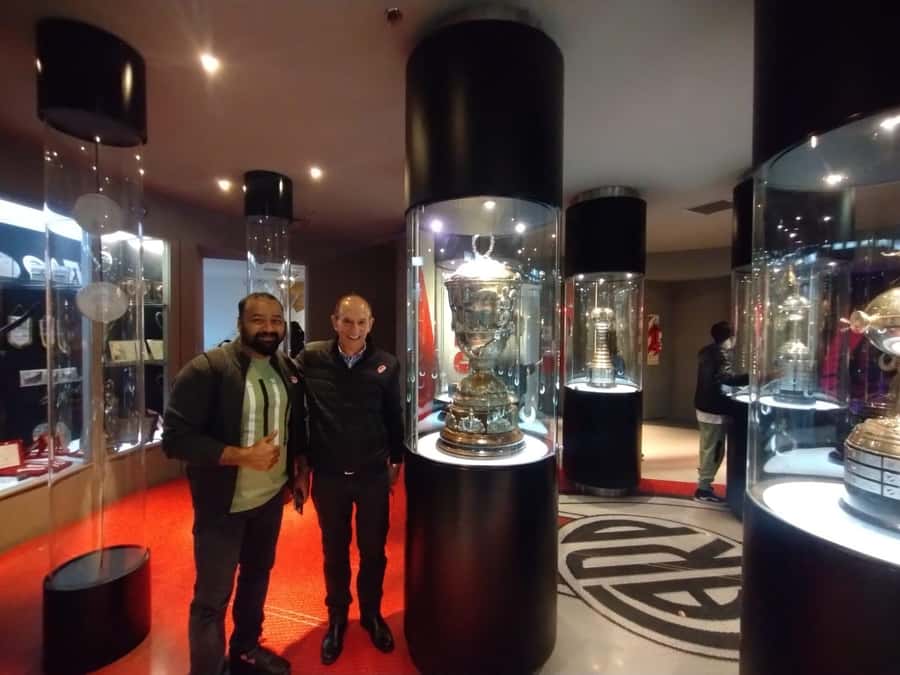
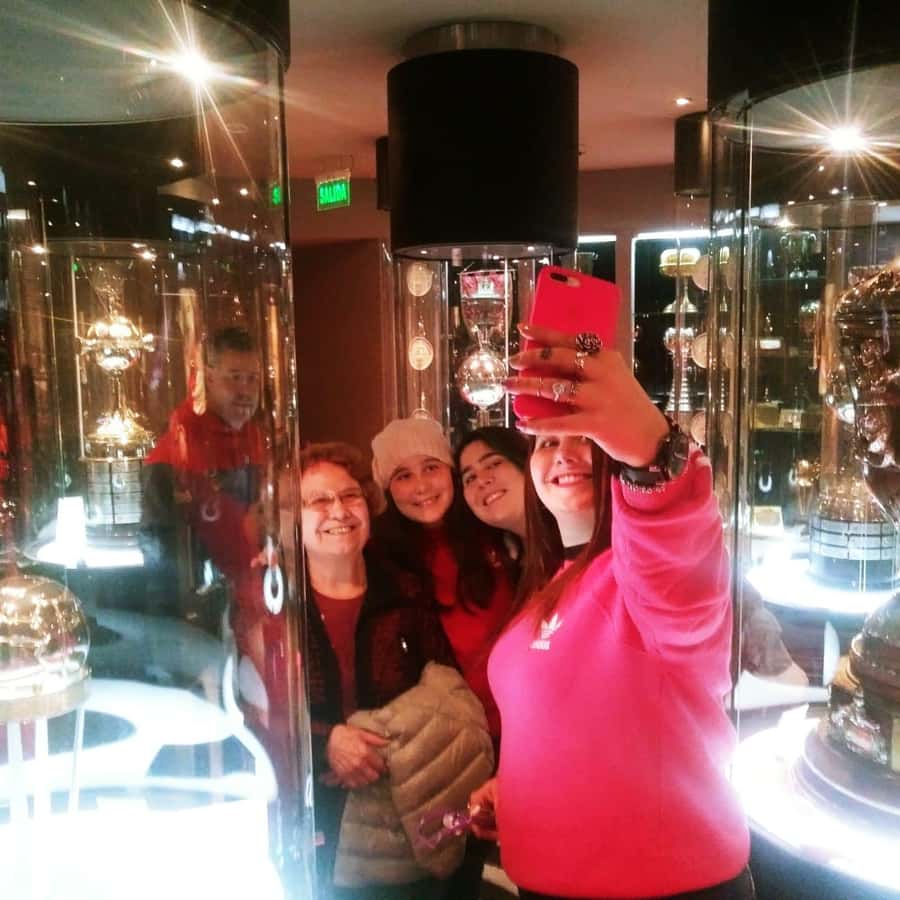
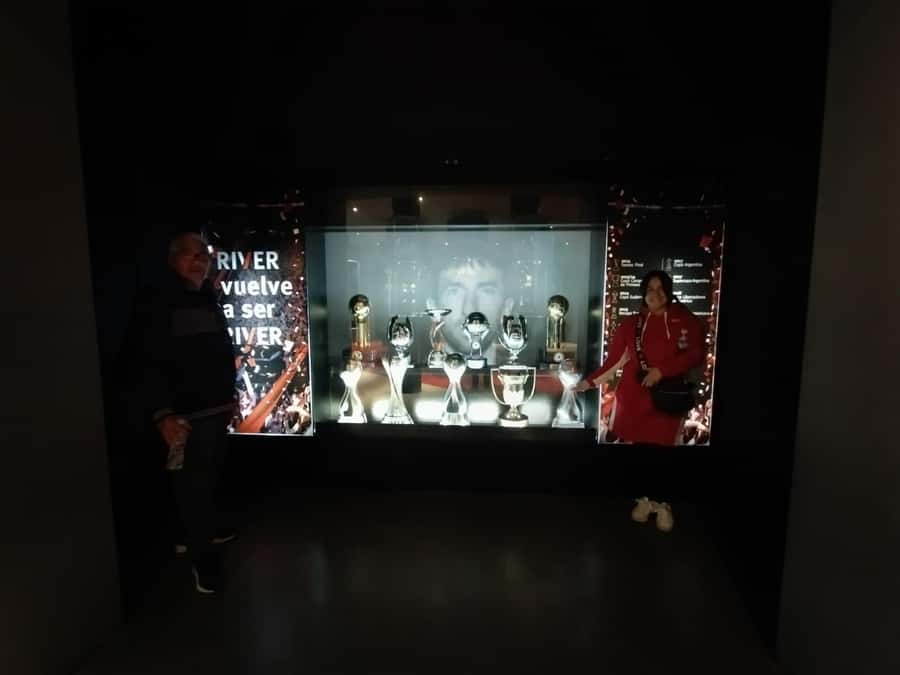
The club has won more than 70 titles, including four Copa Libertadores de América trophies. Its honors also include three Recopas Sudamericana, one Interamericana, one Supercopa Sudamericana, one Copa Sudamericana, and one Suruga Bank.
That list can feel like a wall of football terms if you do not follow South American football. The useful point is simpler: River Plate has been successful at both the Argentine and continental levels for a very long time. The museum gives those victories a physical setting, with the club’s story presented through its own home ground.
The stadium also carries national importance. Argentina won the 1978 World Cup on home soil, and El Monumental witnessed that victory. You are not just seeing a club venue. You are visiting one of the places connected with a defining sporting moment in Argentina.
The stadium is in Nuñez, a Buenos Aires neighborhood. Its capacity is about 86,000, so the scale becomes part of the experience even before you learn the club’s story. On a quiet tour day, the empty ground can feel very different from a packed match setting, but the size still gives you a sense of what River Plate means to its supporters.
more football matchdays in Buenos Aires
- Buenos Aires: Tickets to Boca Juniors Museum & Stadium
★ 4.5 · 581 reviews - Soccer Match in Buenos Aires with Transfers and Local Guide
★ 5.0 · 103 reviews - Buenos Aires: Boca Juniors and River Plate Football Tour
★ 4.3 · 82 reviews
Starting at the River Plate Museum
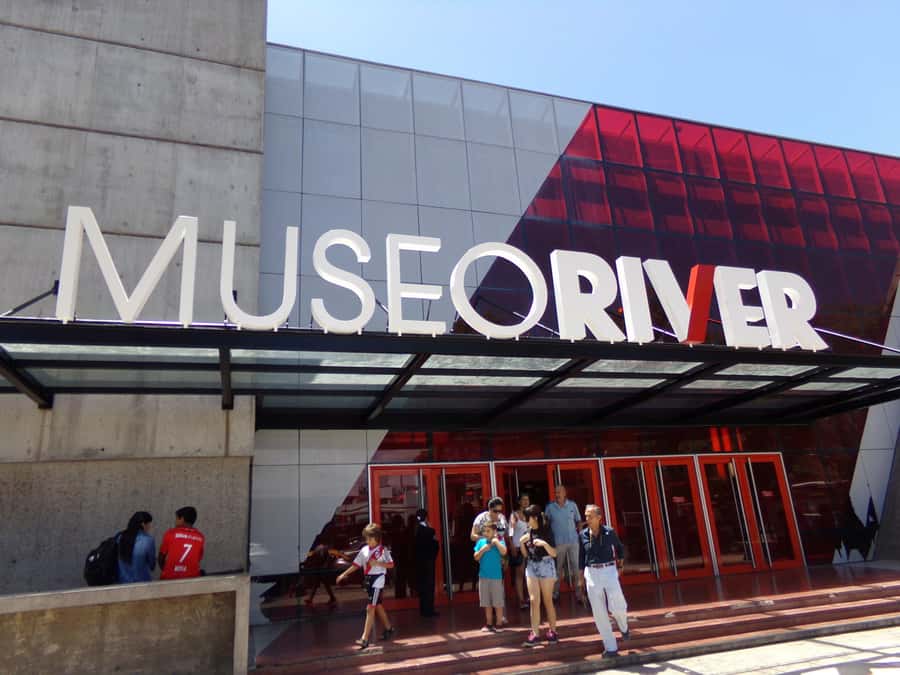
The tour begins at the main entrance of the River Plate Museum. This detail matters because you are responsible for making your own way there. Hotel pickup and return transportation are not included, so build your arrival around the museum entrance rather than expecting a vehicle to collect you.
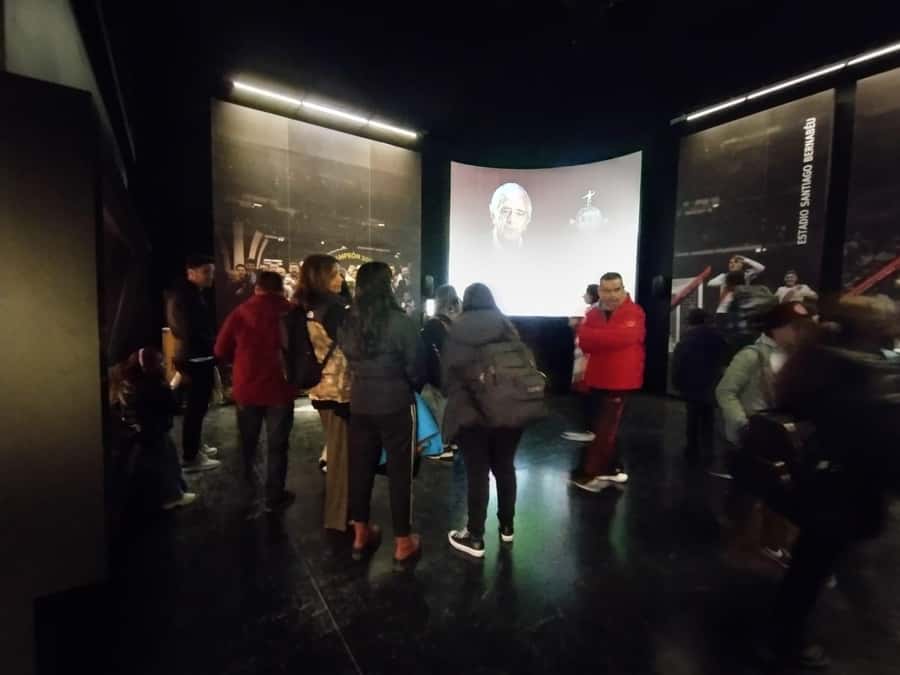
The museum is the natural first stop because it gives the rest of the visit some order. Instead of walking into a large stadium with only a vague idea of its importance, you can first place the club’s trophies, teams, and milestones in context.
Your private guide is there to explain the story from River Plate’s modest beginnings to its current place among Argentina’s most successful clubs. The supplied tour languages are English, Portuguese, and Spanish. If language affects how much you get from a museum visit, select carefully at booking.
The private group format should suit you if you want to ask questions or set the pace around the exhibits. It also helps if your group includes both devoted supporters and people who are simply curious about Argentine football. A private guide can spend more time explaining a trophy or rivalry that interests you, rather than giving the same short talk to a large mixed group.
The club’s rivalry with Boca Juniors is an important part of the story. The two clubs are among Argentina’s five great football teams, and River Plate’s identity is closely tied to that competition. You do not need to know every chant or title to appreciate the rivalry, but it helps to see the museum as more than a collection of silverware. It presents the club’s place in Argentine life.
The stadium and its enormous scale
After the museum, the tour moves into the stadium. The advertised visit includes the stadium, but access to particular areas can change with the day’s schedule. Matches, concerts, training, renovations, refurbishment, and cleaning may alter the route.
That warning is practical rather than dramatic. Stadiums are working venues, not museums frozen in place. If a concert crew is setting up or a team is training, the planned route may be adjusted. You should treat the tunnel and changing-room access as included features that remain subject to availability, not as an absolute guarantee for every departure.
The stadium’s capacity of 86,000 is the headline fact, and it gives the visit its main physical impact. I find that large football grounds are easiest to understand when you have a guide explaining how the club uses them and why supporters care about particular spaces. The guide adds the human scale to a very large building.
You may also value the stadium visit if your interest is connected to Argentina’s national team. El Monumental witnessed Argentina’s 1978 World Cup victory, adding a national layer to River Plate’s club story. The venue is therefore relevant to both club football and the wider story of Argentine sport.
Do not expect the visit to recreate a match-day atmosphere. The tour takes place around the museum and stadium facilities, not during a listed football fixture. The appeal is seeing the place without the crowd and hearing the background that makes it important.
Walking through the single tunnel
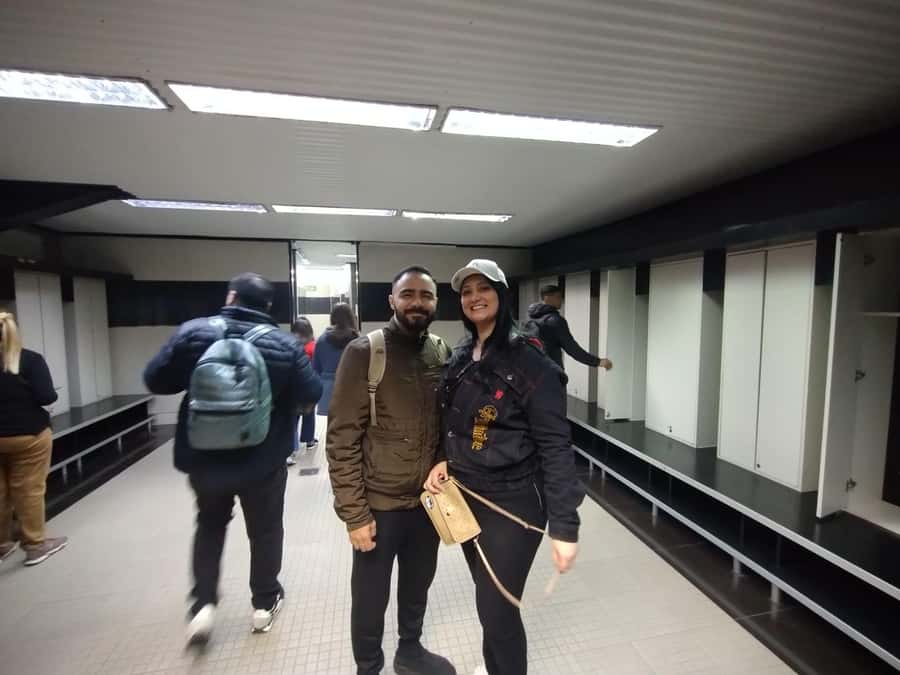
The single tunnel is one of the most appealing inclusions for a football fan. It is a working part of the stadium’s movement between the changing facilities and the playing area, so it offers a more direct connection to the match-day routine than a museum display alone.
The supplied information does not promise access to the pitch or every restricted stadium area. It specifically names the stadium, a single tunnel, and the visitors’ changing room. That makes the tunnel a focused stop rather than a promise of unlimited behind-the-scenes access.
Your guide’s explanation is important here. A short corridor can mean little without context, while a guide can connect it to the experience of players arriving for a match and supporters waiting beyond the stadium walls. You will get more from this part if you ask about River Plate’s use of the stadium and its major occasions.
Access may be changed by training, cleaning, maintenance, or other activity. If the tunnel is closed on your date, the guide or venue may need to modify the route. Keep that possibility in mind before you book, especially if tunnel access is the single reason you are choosing this tour.
more Buenos Aires days to weigh up
- Buenos Aires: River Plate and Boca Juniors Museum Tour
★ 4.5 · 72 reviews - Buenos Aires: Hop-On Hop-Off Bus and Football Museums
★ 4.3 · 39 reviews - River Plate Monumental Stadium and Museum Guided Tour
★ 4.5 · 39 reviews - Buenos Aires: Tickets to River Plate Museum
★ 4.6 · 32 reviews
Seeing the visitors’ changing room
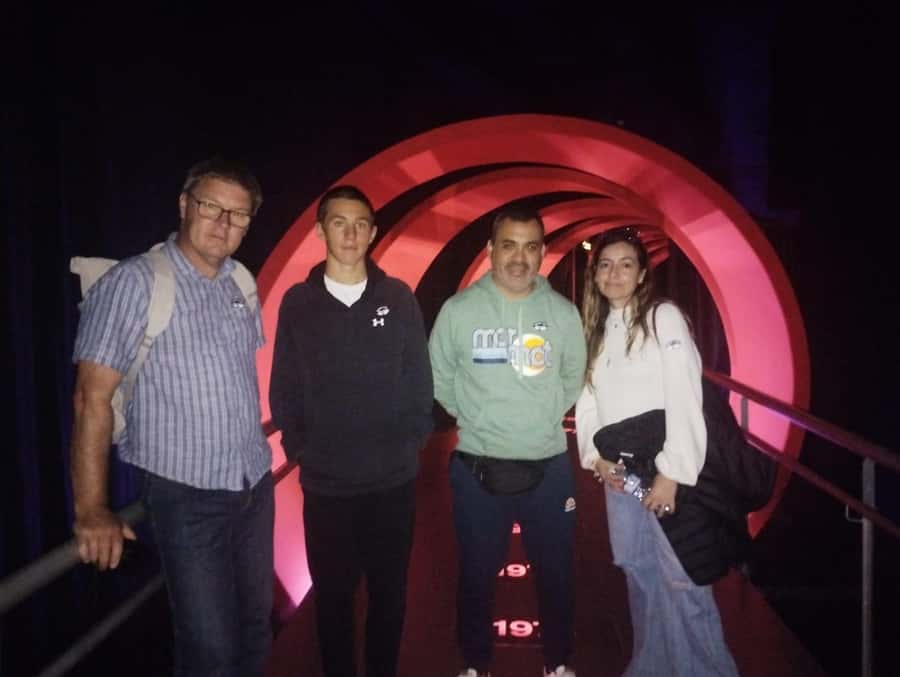
The visitors’ changing room gives you another look at the stadium from the perspective of a visiting team. It is not the same as seeing the home players’ private facilities, and the distinction is useful. The tour specifically includes the visitors’ changing room, not a general promise to enter every dressing area.
For a supporter of River Plate, this stop can add a little edge to the rivalry story. Visiting clubs arrive at River’s home ground knowing they are entering one of Argentina’s most important football venues. For a neutral, it offers a practical look at how a major stadium is arranged for competing teams.
Again, stadium operations can affect access. Concerts, matches, training sessions, renovation, refurbishment, and cleaning are all listed reasons for a route change. The tour provider may need to substitute or limit this part of the visit, so ask at the start if the changing room is open that day.
A private guide, and what the feedback tells you
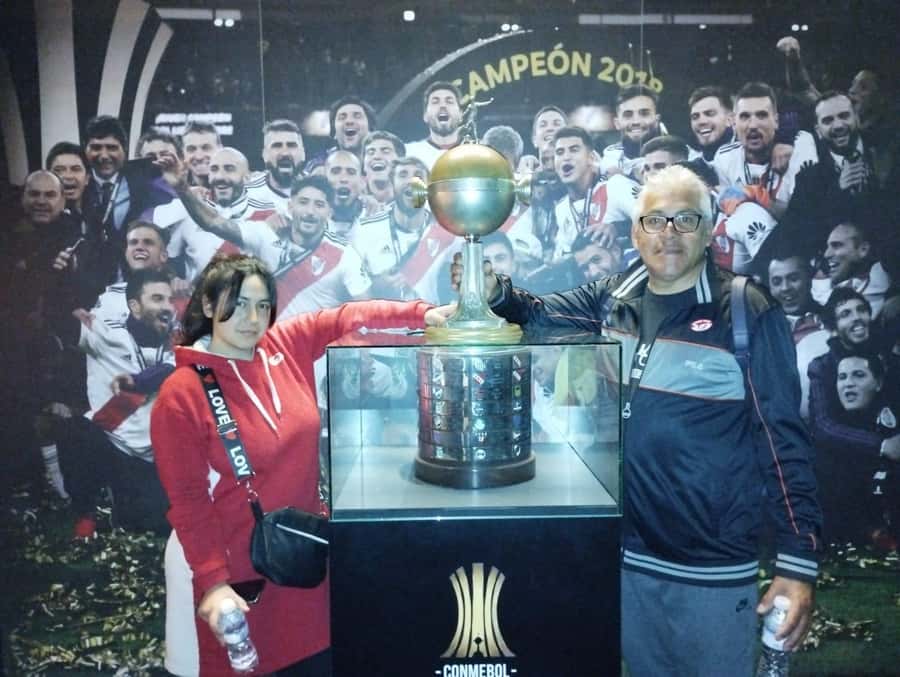
The strongest theme in the available feedback is the quality of the guiding. One Spanish-language booking described the guide as very friendly and willing to help. Another specifically praised Juan, and a separate comment simply said the tour was excellent. English, Portuguese, and Spanish are available, so the experience can work well for international visitors.
One United States visitor found the tour a little short but still rated it positively. That is worth noting because the stated duration is two to three hours, and the actual length may depend on the route, access, and pace. If you want a long, slow museum visit, tell your guide at the beginning and use the private setting to ask for more detail.
The private format is a clear advantage for families, couples, and small groups with different levels of football knowledge. You can ask basic questions without feeling out of place, or focus on River Plate’s international titles if you already know the basics.
There is also an important service warning. A Brazilian visitor reported difficulty reaching the experience, receiving a guide from the stadium rather than the arranged private guide, and not receiving the promised snack. That is one negative account among otherwise positive comments, but it points to a sensible step: at the meeting point, confirm the guide’s name, the private arrangement, and the included snack and souvenir.
Do not assume that every guide will be Juan. His name is associated with one especially positive experience, but the activity lists a live guide rather than guaranteeing a named individual. The private guide should explain River Plate’s story and the stadium route, while the exact person depends on the day.
Snacks, souvenirs, and the real value of $117
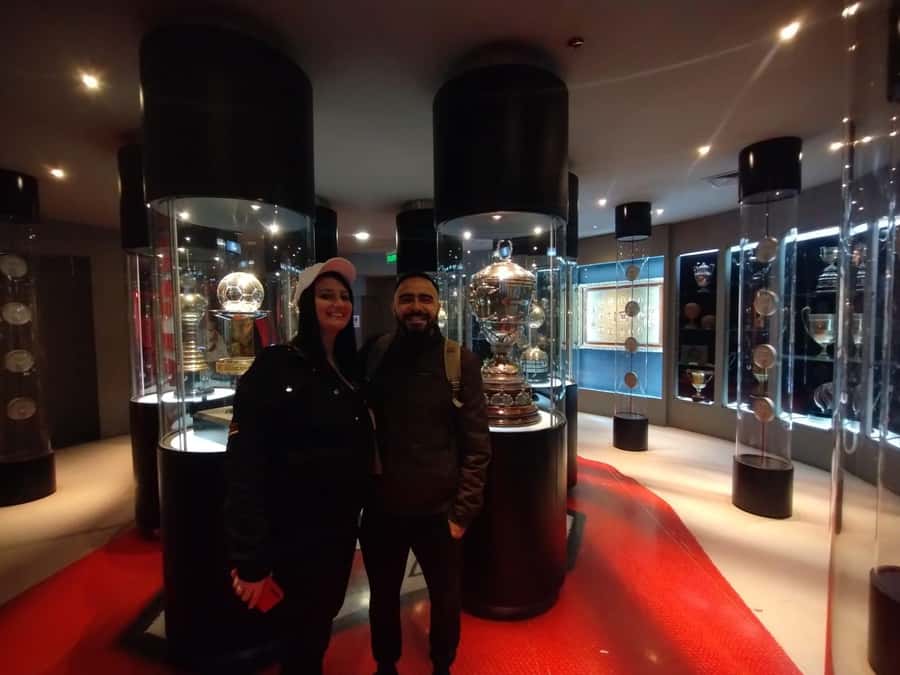
The price is $117 per person. That is a serious cost for a two to three hour activity, so the value rests mainly on the private guide, skip-the-line access, and behind-the-scenes areas rather than on the snack.
A standard museum entry may be enough for you if you mainly want to see club exhibits at your own pace. This tour makes more sense if you want a guide to explain the club’s importance, want to avoid a regular queue, or are traveling with a private group that prefers a personal pace.
The included souvenir adds a small physical reminder of the visit, while the snack is a pleasant extra. I would not choose the tour for those two items. They are secondary benefits, and the reported missed snack shows why you should check that they have been provided before leaving.
The private format can make the price easier to justify for a group. A couple or family may value having a guide focused on them rather than joining a large group. For a solo visitor, the cost is harder to defend unless the personal service and football interest are central to your Buenos Aires plans.
Reserve and pay later is available, which helps if you are still arranging your schedule. You can also cancel up to 24 hours before the activity for a full refund. Those policies reduce the risk of booking ahead, particularly because stadium access can be affected by events and maintenance.
Timing, clothing, and practical preparation
Set aside two to three hours. The museum, stadium, tunnel, and changing room make this longer than a quick photo stop, and the private format gives you room to ask questions.
Wear comfortable shoes. You may be walking through several parts of the complex, and practical footwear is more useful than dressing for a formal museum. Sunglasses, a sun hat, and sunscreen are also listed as useful items. Biodegradable sunscreen is requested among the recommended supplies.
Bring your passport or another passport or ID card. The information lists both passport and passport or ID card, so carry an accepted identity document rather than assuming a booking confirmation alone is enough.
The venue is wheelchair accessible, which is important for visitors who need step-free access. Still, because the route can change according to stadium operations, confirm the current route if a particular area is essential to your visit.
Alcohol and drugs are not allowed. That is standard venue guidance, but it is worth remembering before you arrive, especially if you are visiting the stadium as part of a full day in Buenos Aires.
Who will enjoy this River Plate tour most
I would recommend it first to River Plate supporters, football fans, and anyone interested in how sport shapes Argentine identity. The combination of club trophies, the Boca Juniors rivalry, continental titles, and the 1978 World Cup connection gives the visit more substance than a simple stadium photo opportunity.
It also suits a family or private group. Children who know River Plate may enjoy the tunnel and changing room more than a long museum explanation, while adults can ask about the club’s victories and history. Because the group is private, the guide can adjust the balance.
It is a good choice for visitors who prefer a guided experience in their own language. English, Portuguese, and Spanish are available, and the personal format can make football traditions easier to understand.
I would hesitate if you have little interest in football and are choosing only because the stadium is large. The museum and guide provide context, but the tour is built around River Plate and Argentine football. Also think twice if access to every named area must be guaranteed, since matches, concerts, training, renovations, refurbishment, and cleaning can force changes.
Should you book the River Plate Stadium and Museum tour?
Book it if you want a personal explanation of River Plate’s place in Argentina, value the tunnel and visitors’ changing room, and prefer a private group over a standard museum visit. The skip-the-line entry and multilingual guiding add convenience, while the stadium’s 86,000-seat scale and 1978 World Cup connection give the visit real weight.
At $117 per person, it is best for committed football fans or small groups that will use the private guide well. Before setting out, confirm the meeting point, the private guide arrangement, and the snack and souvenir inclusions. If those details are clear and the stadium route is operating normally, this is a strong way to meet River Plate on its own ground.
FAQ
Where does the River Plate Stadium and Museum tour begin?
The meeting point is the main entrance of the River Plate Museum.
How long does the tour last?
The stated duration is two to three hours.
What does the ticket include?
The price includes skip-the-line service, admission tickets, the museum, the stadium, a single tunnel, the visitors’ changing room, a snack, and souvenirs.
Is transportation included?
No. Transfers to and from the experience are not included.
What languages are available for the private guide?
Live guiding is available in English, Portuguese, and Spanish.
Is the tour wheelchair accessible?
Yes, the activity is listed as wheelchair accessible.
Can the stadium route change?
Yes. Access to the stadium, tunnel, and changing rooms may change because of matches, concerts, training sessions, renovations, refurbishment, cleaning, or other venue activity.
Can I cancel the booking?
You can cancel up to 24 hours in advance for a full refund. Reserve now and pay later is also available.
Recently added in Buenos Aires
- Buenos Aires: Private City Tour by Car with Hotel or Pickup★ 5.0 · 3 reviews
- Guided tour Boca Juniors Museum & Stadium + Caminito★ 3.3 · 3 reviews
- Buenos Aires: Montserrat, San Telmo, La Boca, and Puerto …★ 5.0 · 3 reviews
- Buenos Aires: MALBA Museo de Arte Latinoamericano Tour★ 4.1 · 3 reviews
- Unique Tigre and Delta Private Day Cruise Navegation★ 5.0 · 3 reviews
- Tango Show at: MichelAngelo★ 4.5 · 3 reviews
- Buenos Aires: Mate Workshop y Otras Yerbas★ 5.0 · 3 reviews
- From Colonialism to Eclecticism, Buenos Aires arquitectonica★ 5.0 · 3 reviews
Buenos Aires Tours, compared.

Buenos Aires: Piazzolla Tango Show with Optional Dinner
Read our review →
Buenos Aires: City Highlights Guided Tour with Transfer
Read our review →
Buenos Aires: La Boca Guided Walking Tour in English
Read our review →
Buenos Aires: La Recoleta Cemetery Guided Tour in English
Read our review →
Buenos Aires: Tango Show at Tango Porteño & Optional Dinner
Read our review →
Buenos Aires: 9-Course Argentine Meat Tasting at Fogón Asado
Read our review →

Buenos Aires: Madero Tango Show with Optional Dinner
Read our review →Browse the lists this tour appears in