
Reviewed · BUENOS AIRES TOURS
Buenos Aires: Tickets to River Plate Museum
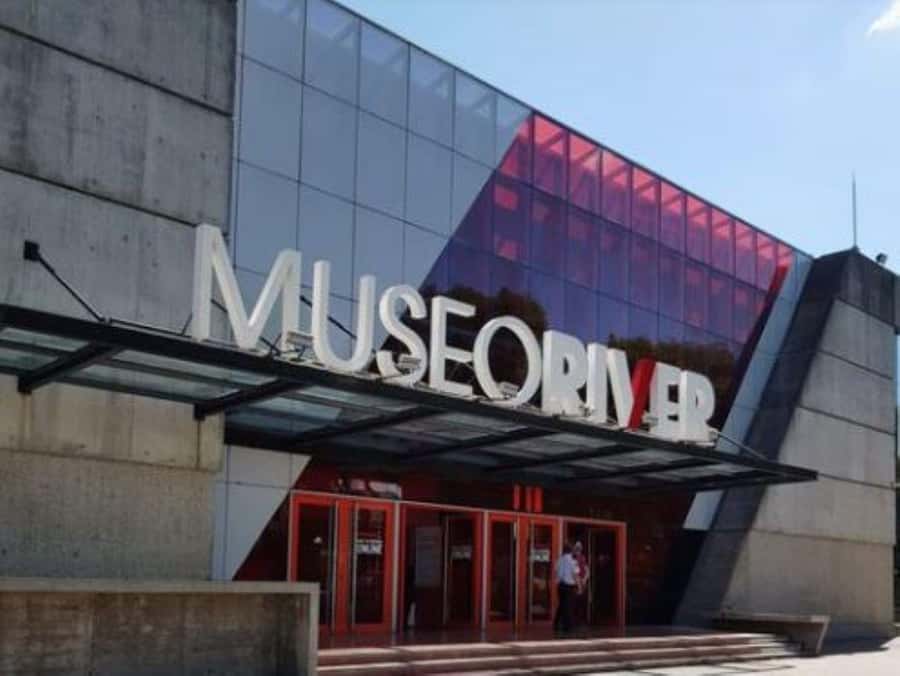
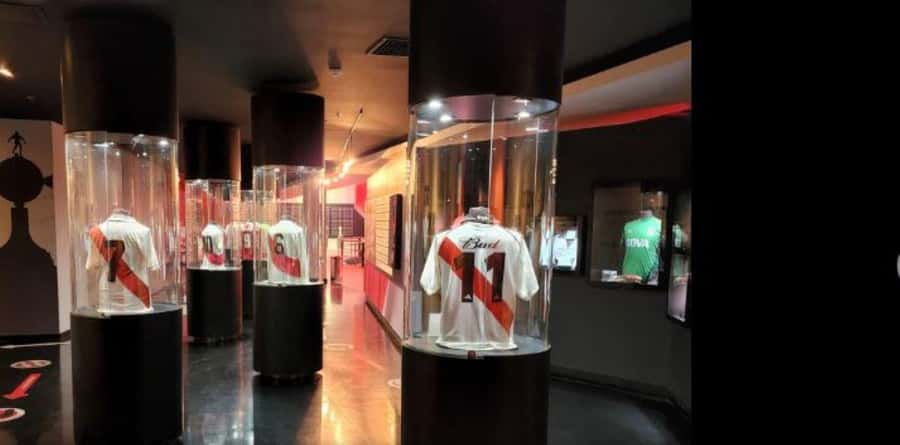
River Plate Museum gives you a close look at one of Argentina’s great football institutions. The best part is the time tunnel, which moves through the club’s story in order, from its early days to its greatest teams, goals, and trophies. A 360 cinema adds the sound and emotion of River Plate’s enormous fan base.
I like the mix of football history and stadium access, especially the chance to see the field from the stands and from the playpen area on the full visit. I also like the flexibility of museum-only tickets, optional transfer, small-group availability, and free cancellation up to 24 hours ahead. The main caution is language and organization: one visitor waited 40 minutes for an express tour and found the guide’s Spanish difficult to follow.
Key points to know
- The time tunnel tells River Plate’s story chronologically, with players, teams, goals, victories, and trophies arranged as a clear journey.
- The 360 cinema focuses on fan emotion, giving the museum more atmosphere than a display of shirts and silverware alone.
- The full visit includes stadium access, with views from the stands and entry to the playing field area.
- A home match can change the stadium visit, and a temporary stage or other event may block part of the field.
- Spanish may be the main guiding language, with no English headset available according to one difficult visit.
- The $27 price is strongest for football fans, especially if stadium access is included and important to you.
Why River Plate Museum matters in Buenos Aires
Buenos Aires is a city where football is not just a sport on a television screen. It is tied to family, neighborhood identity, memory, and fierce loyalty. River Plate is one of the clubs at the center of that passion, and its museum gives you a way to understand the club before, or instead of, attending a match.
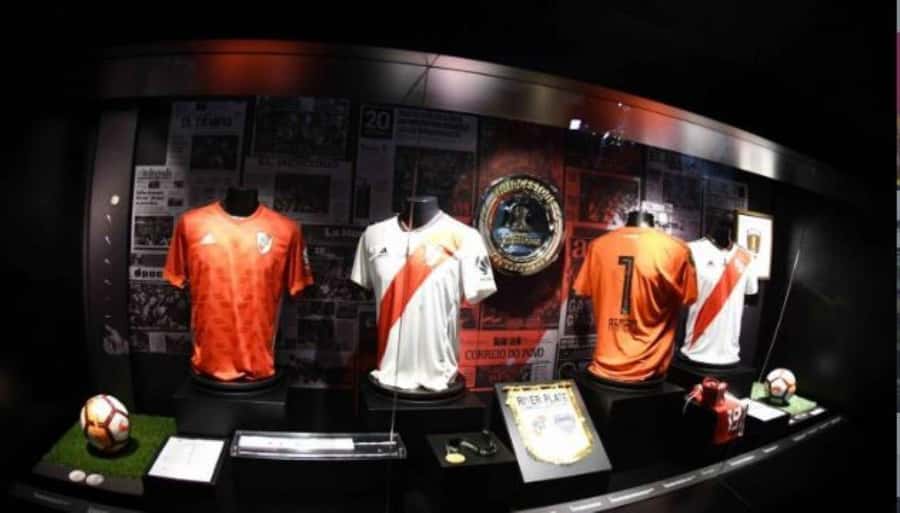
The museum opened on November 9, 2009. Its purpose is not simply to display old shirts and cups. It presents the club’s development through important players, successful teams, major goals, famous victories, and trophies that shaped River Plate’s place in football.
I would not treat this as a general Buenos Aires sightseeing stop. It is a focused experience. If you have little interest in football, the museum may feel narrow. If you already know River Plate, it can add names, dates, images, and physical objects to a passion you have mostly experienced through television or conversation.
more football matchdays in Buenos Aires
- Buenos Aires: Tickets to Boca Juniors Museum & Stadium
★ 4.5 · 581 reviews - Soccer Match in Buenos Aires with Transfers and Local Guide
★ 5.0 · 103 reviews - Buenos Aires: Boca Juniors and River Plate Football Tour
★ 4.3 · 82 reviews
Starting with the time tunnel
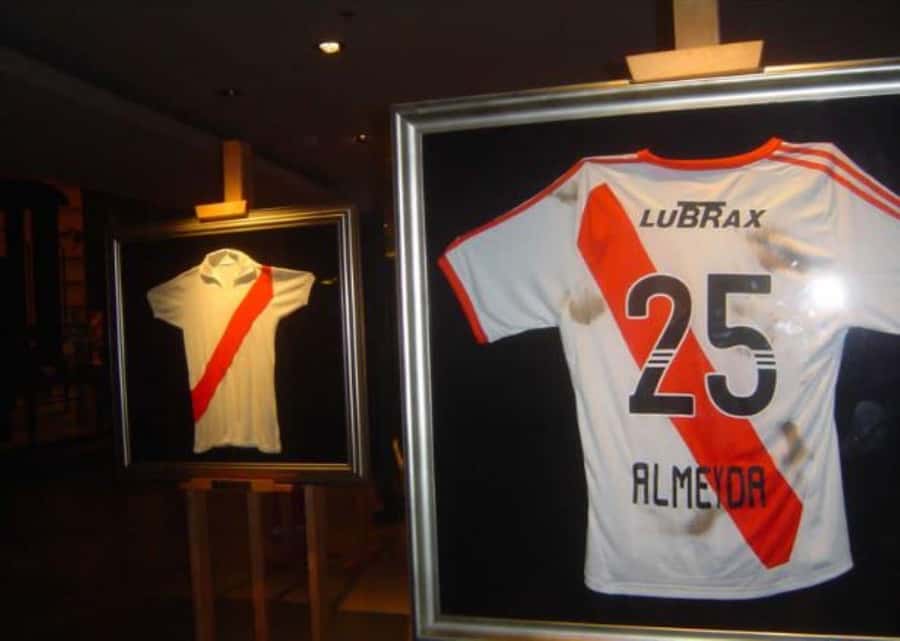
The time tunnel is the museum’s clearest organizing idea. Instead of asking you to jump from one display to another, it takes you through River Plate’s story in chronological order.
That order matters. You can see how the club moved from its origins into professional football, then followed the teams and figures that brought greater success. The display also points to individual moments, including important goals and memorable wins.
I like this approach because it gives newcomers a usable framework. You do not need to know every player or tournament before arriving. The museum is designed to show how one chapter leads to the next.
For devoted supporters, the same sequence can work as a memory test. You may recognize famous names, relive important victories, or pause over trophies that carry special meaning. The experience should feel less like a random collection and more like a club story told through objects and images.
The supplied information does not identify the guides by name. Guided visits are available, and recent feedback specifically praised guides for being cordial and well informed. Still, you should confirm the language when booking, particularly if you do not understand Spanish well.
Players, teams, goals, and trophies
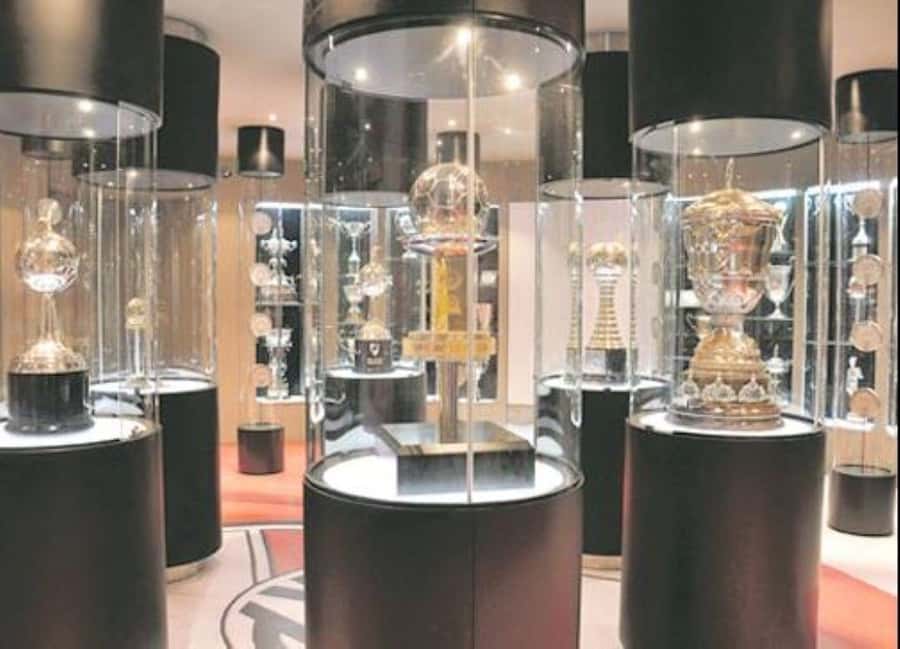
The central displays focus on the people and teams that made River Plate important. You can expect coverage of main figures, successful sides, famous goals, memorable victories, and the club’s most valuable trophies.
This is where the museum’s value depends on your interest. A football fan will likely spend time studying the details and connecting the displays to matches already known. A casual visitor may move faster, using the exhibits to understand why certain names and victories matter.
I would set aside enough time to read and look closely rather than treating the museum as a quick photo stop. The exact visit length is not specified, but the ticket is valid for one day, so you should check the available starting time when booking and avoid squeezing it between tight plans.
The strongest part of a club museum is often the personal scale. Trophies show success, but the players and goals explain how supporters remember that success. The museum’s focus on both individual figures and whole teams helps you see River Plate as an institution built over many seasons, not just a collection of championship dates.
The 360 cinema and the sound of football
The 360 cinema room adds an emotional layer to the visit. The film is designed to express the feelings of millions of River Plate fans, so this section is less about reading facts and more about feeling the force of the club’s support.
I like the idea of placing this inside the museum. Football is not only about results. It is also about noise, expectation, celebration, disappointment, and the sense of belonging that surrounds a club. A film shown in a 360-degree room can communicate that better than a silent trophy case.
You should keep your expectations sensible. The information provided does not give the film’s running time, language, or subtitle details. If you need English explanations, ask before entering. This is especially important because one visitor found the full guiding experience entirely in Spanish and wished an English audio headset had been available.
For someone new to Argentine football, the cinema may help explain why River Plate inspires such strong loyalty. For a supporter, it is likely to be the most atmospheric part of the museum.
more Buenos Aires days to weigh up
- Buenos Aires: River Plate and Boca Juniors Museum Tour
★ 4.5 · 72 reviews - Buenos Aires: Hop-On Hop-Off Bus and Football Museums
★ 4.3 · 39 reviews - River Plate Monumental Stadium and Museum Guided Tour
★ 4.5 · 39 reviews - AllMaradona Buenos Aires: Maradona House Museum and Stadium
★ 5.0 · 21 reviews
Choosing the full visit and seeing the stadium
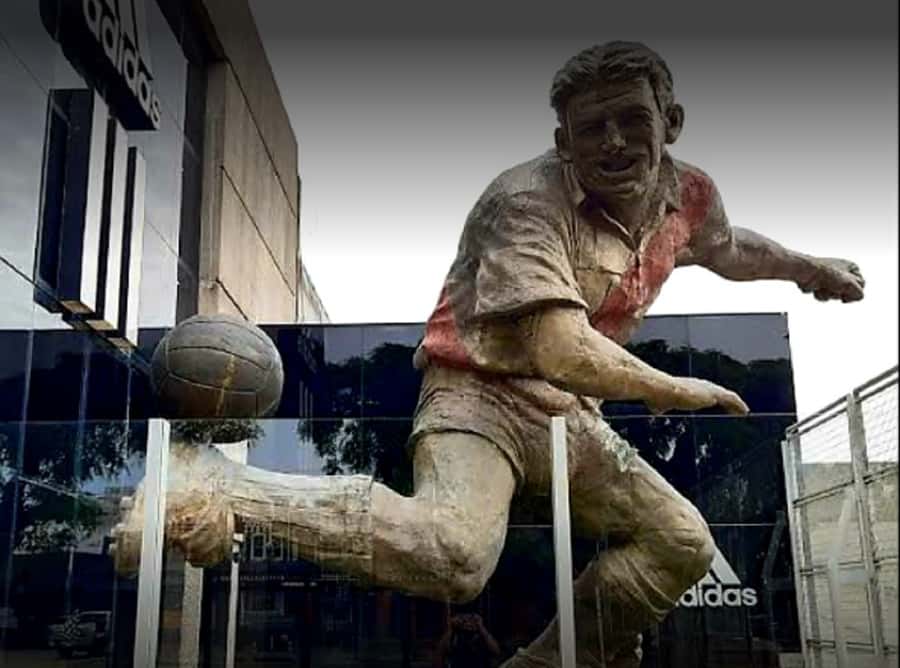
The full visit adds the part many football fans will care about most: access to River Plate’s stadium. You can see Argentina’s largest stadium from the stands, with the stadium area described as covering more than 3,437 square meters, and you can enter the playing field area to view it from the playpen.
This changes the experience from a museum visit into a stadium visit as well. Looking at the field from the stands helps you understand scale. Entering the field area gives you a different angle, closer to the surface where matches take place.
The stadium access is also the part most exposed to change. If an event is taking place, a stage or another structure may obstruct part of the field. That is not considered grounds for a claim, so you should book with the understanding that the view may not be complete.
On days when River Plate plays at home, stadium entry may also be affected. Check the schedule and the conditions for your chosen date before paying extra for the full option. If the stadium is the main reason you want this experience, this small check can prevent disappointment.
Express or full visit: which makes sense?
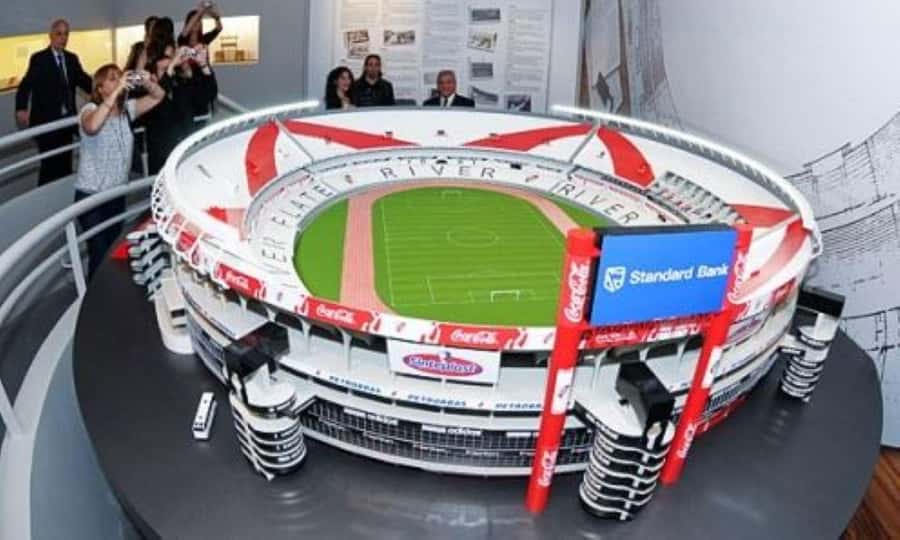
The choice between a shorter museum visit and the full option deserves careful thought. The full option is the logical choice if you want the stadium, stands, and field area. It gives you more than the club displays and adds the physical setting where River Plate plays.
The express option may suit you if your schedule is tight or if you mainly want the museum. But you need to pay attention to the meeting process. One visitor reported being sent to a holding area, waiting 40 minutes, and eventually finding help independently before being upgraded to the full visit.
That account points to a practical weakness in the organization. Wait times can matter more than the museum itself, particularly if you have a restaurant reservation, another tour, or a flight later that day.
If you choose the express visit, arrive at the stated meeting point and be ready to ask staff for help if no one collects you. The pickup instructions say to wait five minutes before the indicated time in the lobby when pickup is included. Since the service can be booked with or without transfer, read the exact option carefully.
Language and guide support
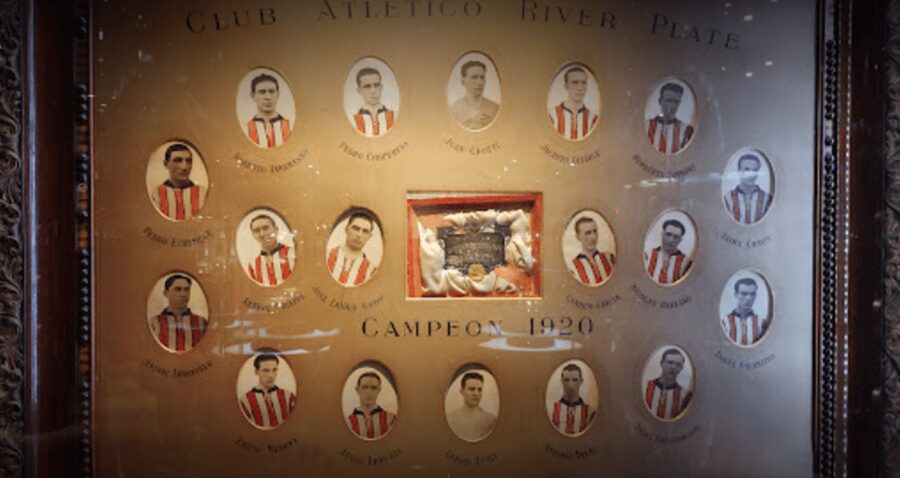
Recent feedback gives the guides a strong mark for courtesy and knowledge. That is encouraging if you enjoy having the club’s story explained as you move through the displays.
At the same time, the language issue is real. One English-speaking visitor found the guiding entirely in Spanish and reported that there was no English audio headset. The souvenir photograph also included a brochure available only in Spanish.
The safest advice is simple: do not assume English support unless the booking option clearly says so. If you understand Spanish, the guided format may add useful context and warmth. If you do not, the museum’s chronological layout still gives you a way to follow the broad story, but some details may be lost.
The experience does not list specific guide names. Guides were praised for being cordial and having strong knowledge, but you should not book expecting a particular person.
What $27 buys you
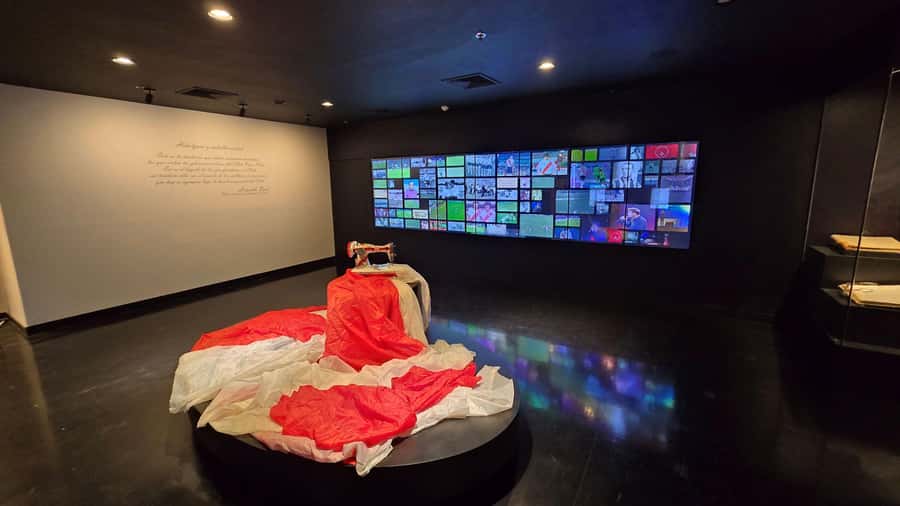
At $27 per person, the value depends on the option you select. Museum admission alone is reasonable for someone who cares about River Plate and wants more than a quick exterior look at the stadium. The full option offers better value if stadium access is included and the field visit goes ahead as planned.
The price does not include food, so plan for that separately. The supplied details do not identify a meal, snack, or restaurant stop as part of the experience.
Transfer is optional. If you choose the transfer version, it is included with that option, while museum-only tickets do not include transportation. This lets you balance price and convenience. If you are comfortable arranging your own way there, the basic ticket may be the better deal. If you prefer not to manage the journey, paying for transfer may be worthwhile.
The booking terms also reduce financial risk. You can reserve now and pay later, and cancellation is free up to 24 hours before the activity for a full refund. Availability and start times vary, so check the calendar rather than assuming the museum can be entered at any hour.
Who should book this experience?

I would recommend it most strongly to three types of people:
- River Plate supporters who want a physical connection to the club’s players, teams, and trophies.
- Football fans building a wider understanding of Argentina’s football culture.
- Visitors who want stadium access but cannot, or do not wish to, attend a match.
Families and mixed-interest groups can also make it work, but the football fan in the group will probably get the most from the displays. The 360 cinema may help hold the attention of people who do not want to read every exhibit.
I would be more cautious if you are short on time, need a guaranteed English guide, or are mainly interested in seeing an unobstructed playing field. The museum itself may still be worthwhile, but stadium events and home matches can affect access and views.
Practical advice before you go
Check whether your ticket is museum-only, full visit, express, or transfer-inclusive. These choices affect both the price and what you actually see.
Confirm the language of the tour if you need English. The available information does not promise an English audio guide, and one visitor specifically found this a serious drawback.
Allow extra time around the starting hour. A reported 40-minute wait on an express visit shows why you should not schedule another activity immediately afterward. If pickup is included, wait in the lobby and follow the stated meeting instructions.
Also check whether River Plate plays at home on your chosen date. A match can affect stadium entry, while an event can place a stage or other structure in front of the field. The museum displays remain the main fixed part of the visit, but the stadium portion can change.
Final verdict: should you book River Plate Museum?
Book it if you want to understand River Plate through its players, teams, victories, trophies, and fan culture. The time tunnel gives the visit a clear shape, the 360 cinema adds feeling, and the full option gives you a look inside one of Argentina’s most important football settings.
I would choose the full visit when stadium access is available and central to your plans. I would choose the museum-only option if you want a lower-cost introduction or if a home match makes the stadium portion uncertain.
The main condition is language. Friendly and capable guides can make the experience much better, but English support is not guaranteed by the information provided. Go with realistic expectations, check the exact ticket option, and leave room for delays. For a football fan, $27 is a fair price for a museum and possible stadium visit. For someone with no interest in football, Buenos Aires offers better uses of your limited sightseeing time.
FAQ
Where is the River Plate Museum located?
The museum is in Buenos Aires Province, Argentina.
How much does the experience cost?
The listed price is $27 per person.
How long is the ticket valid?
The ticket is valid for one day.
What does the museum ticket include?
It includes admission to the River Plate Museum. Stadium access depends on choosing the full visit option.
Is stadium access included with every ticket?
No. The full visit option includes views from the stands and access to the playing field area. Museum-only tickets do not include those additions.
Is transportation included?
Transportation is included only if you select the ticket option that includes transfer. Transfer is optional.
Is food included?
No. Food is not included.
Can I cancel the booking?
Yes. You can cancel up to 24 hours in advance for a full refund.
Can I reserve now and pay later?
Yes. The activity offers a reserve-now, pay-later option.
Can a stadium event affect the visit?
Yes. A stadium event may place a stage or another structure in the way of the full field view. On days when River Plate plays at home, stadium entry may also be affected.
Recently added in Buenos Aires
- Buenos Aires: Private City Tour by Car with Hotel or Pickup★ 5.0 · 3 reviews
- Guided tour Boca Juniors Museum & Stadium + Caminito★ 3.3 · 3 reviews
- Buenos Aires: Montserrat, San Telmo, La Boca, and Puerto …★ 5.0 · 3 reviews
- Buenos Aires: MALBA Museo de Arte Latinoamericano Tour★ 4.1 · 3 reviews
- Unique Tigre and Delta Private Day Cruise Navegation★ 5.0 · 3 reviews
- Tango Show at: MichelAngelo★ 4.5 · 3 reviews
- Buenos Aires: Mate Workshop y Otras Yerbas★ 5.0 · 3 reviews
- From Colonialism to Eclecticism, Buenos Aires arquitectonica★ 5.0 · 3 reviews
Buenos Aires Tours, compared.

Buenos Aires: Piazzolla Tango Show with Optional Dinner
Read our review →
Buenos Aires: City Highlights Guided Tour with Transfer
Read our review →
Buenos Aires: La Boca Guided Walking Tour in English
Read our review →
Buenos Aires: La Recoleta Cemetery Guided Tour in English
Read our review →
Buenos Aires: Tango Show at Tango Porteño & Optional Dinner
Read our review →
Buenos Aires: 9-Course Argentine Meat Tasting at Fogón Asado
Read our review →

Buenos Aires: Madero Tango Show with Optional Dinner
Read our review →Browse the lists this tour appears in