
Reviewed · BUENOS AIRES TOURS
Buenos Aires: Mate Workshop y Otras Yerbas
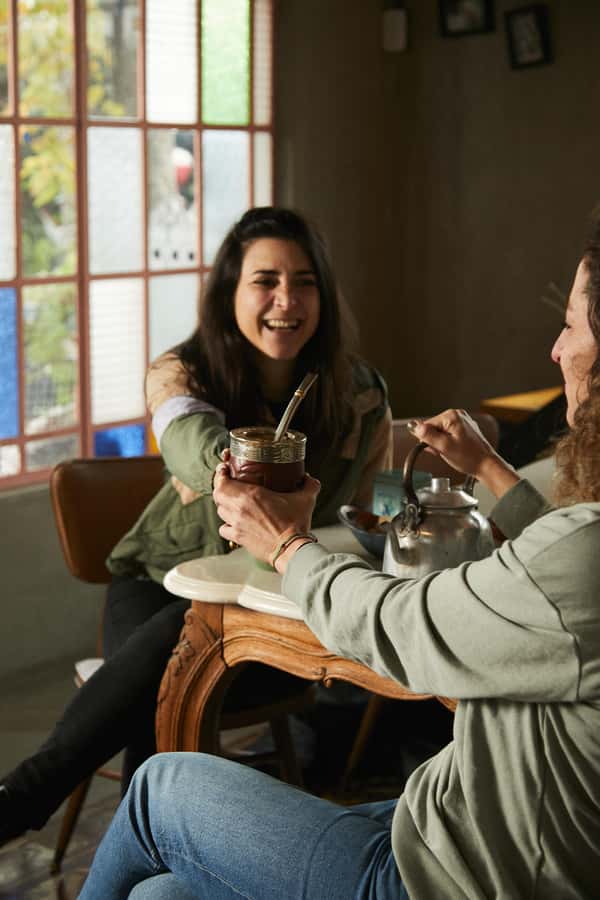
Mate is not simply a hot drink in Argentina. It is a social ritual, a family habit, and often the opening move when someone arrives at your home. This one-hour workshop in Recoleta gives you a friendly way to understand that ritual instead of merely watching people carry a gourd around Buenos Aires.
I like two things here. First, you taste four types of yerba mate, so you can notice how the herb, cut, and flavor change from one cup to the next. Second, Vale and Juli add the human side: family stories, myths, legends, and the small habits that turn mate into a shared custom. The pastries help, too.
The main consideration is time. At 60 minutes, this is a compact introduction, not a full cultural course. You will learn the basics and practice brewing, but you will need to keep the experience focused and ask your most important questions early.
Key points about the Buenos Aires mate workshop
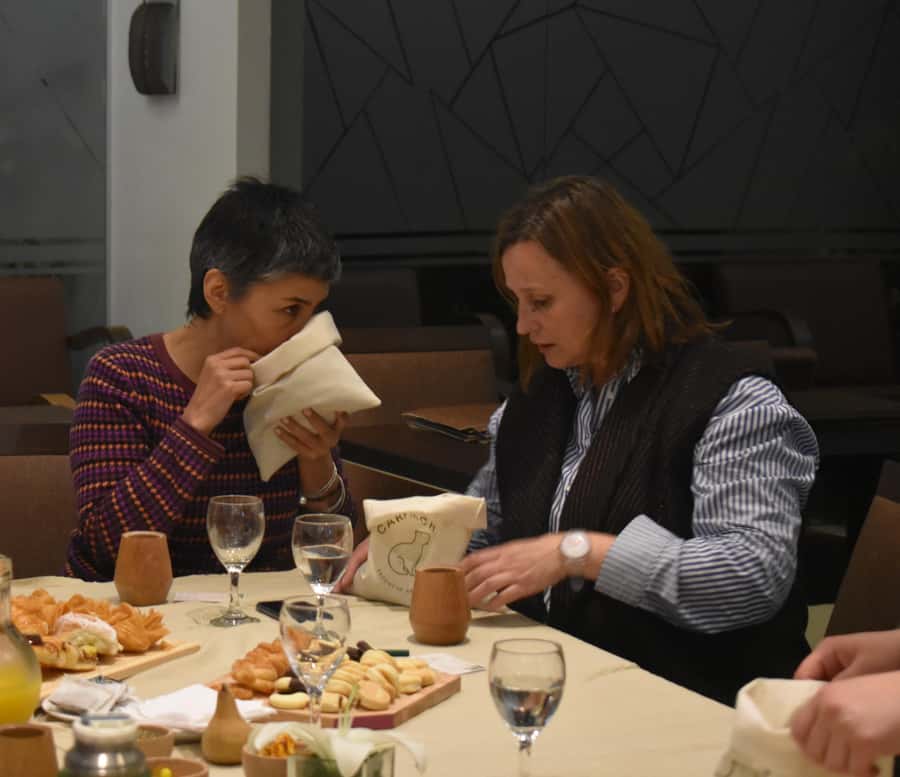
- Four yerbas in one sitting: Compare different types of yerba mate and learn about cultivation, production, and flavor combinations.
- Hosts Vale and Juli: Carpincha’s creators explain mate through stories, customs, myths, and personal anecdotes.
- Your own mate to use: Each person receives a mate for the session and learns how to prepare one.
- Classic Argentine snacks: Medialunas, biscochitos, and alfajores accompany the tasting.
- Convenient Recoleta setting: The meeting takes place in the Recoleta area, with no transportation included.
- Useful for first-time drinkers: English and Spanish instruction, wheelchair access, and flexible booking make this easy to add to a Buenos Aires stay.
Why mate makes a better cultural lesson than a standard tasting
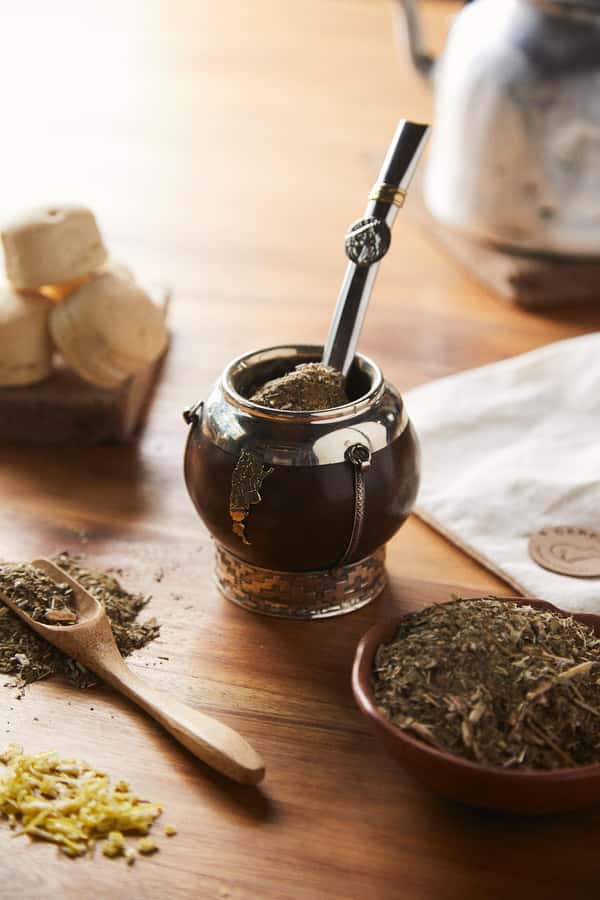
A coffee tasting can teach you about beans, roasting, and brewing. A mate workshop adds a social code. The drink is passed around, shared, refilled, and tied to everyday conversation. That makes the activity useful for understanding how Argentines gather, not just what they drink.
Carpincha presents mate as a symbol of national identity, but the session also gets into practical details. You learn where yerba mate comes from, how it is cultivated, and why different varieties taste different. That balance matters. You get the larger cultural picture, then bring it back to the gourd in front of you.
I especially like that the format is described as poetic, while the content remains hands-on. You are not expected to sit through a lecture about an unfamiliar drink. You taste, listen, ask questions, and prepare mate yourself. The result should feel closer to being welcomed into a household ritual than attending a formal museum talk.
more Buenos Aires days to weigh up
- Buenos Aires: Empanadas and Alfajores Guided Cooking Class
★ 4.8 · 486 reviews - Buenos Aires: Private Tango Lesson
★ 4.9 · 244 reviews - Buenos Aires: Empanada & Alfajor Cooking Lesson in Palermo
★ 4.6 · 186 reviews
Starting in Recoleta with Vale and Juli
The activity takes place in Recoleta, one of Buenos Aires’s central areas. You are responsible for reaching the meeting place, since transportation is not included. Check the exact meeting instructions when booking, and allow enough time to arrive without rushing into the session.
Vale and Juli are the creators of Carpincha, the group behind the experience. Their role is important because mate is easy to explain as a list of rules, but much harder to explain as a lived custom. They use history, anecdotes, and family memories to show why the drink matters.
The hosts teach in English and Spanish. Some material may be presented in its original language, so if you are less comfortable with either language, it is sensible to tell the hosts at the start. The tone appears designed for conversation, and the small format of a one-hour session gives you a chance to raise questions instead of simply listening from a distance.
A useful question to ask early is how Argentines decide which yerba to buy. Another is how people adjust the drink for bitterness or strength. These questions connect the history to the taste in your cup.
Learning the history behind the gourd
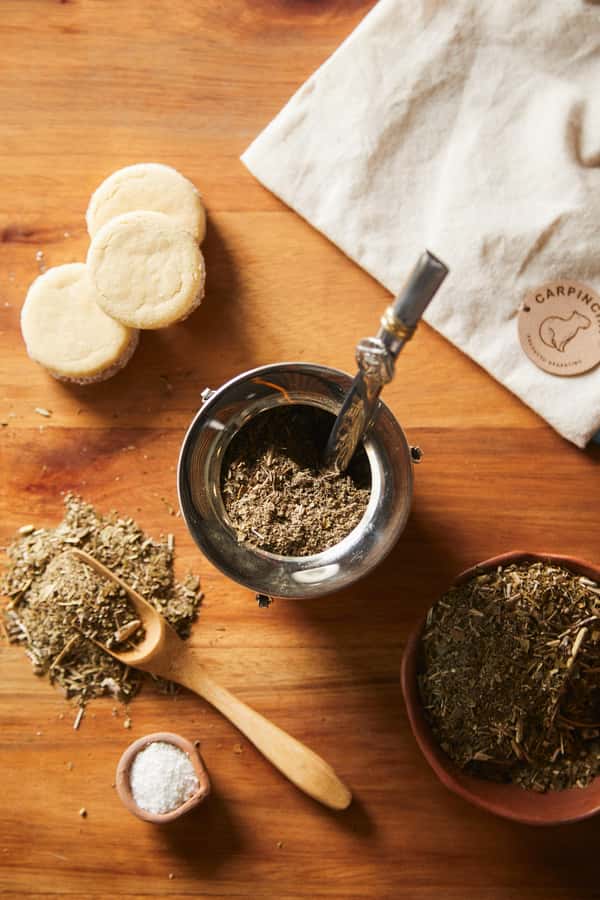
The first part of the experience explains the origin and importance of mate. You hear about its place in Argentine life, along with myths, legends, and anecdotes about the relationship between mate and Argentines.
This section is valuable because a visitor can easily make the wrong assumption: that mate is simply a local version of tea. It is not presented that way here. The gourd, bombilla, hot water, yerba, and sharing ritual all carry meaning. The drink acts as a reason to pause and spend time with other people.
The workshop also helps explain why you see mate in so many settings around the country. It is connected to hospitality and routine. The familiar custom of offering someone mate becomes part of the lesson, giving you a phrase and a ritual to recognize during the rest of your trip.
The storytelling seems to be one of the strongest parts of the session. It gives the activity warmth without requiring you to know anything beforehand. You do not need to arrive with a working vocabulary of yerba terms or a family tradition of your own.
Tasting four types of yerba mate
The tasting is the heart of the workshop. You will try four types of yerba mate and discuss variety, cultivation, and production. This is where the subject becomes clear to your palate.
Do not expect every sample to taste the same. The point is to compare. You might notice differences in strength, bitterness, aroma, texture, or added flavor, depending on the yerba presented. The activity also covers herbs and possible flavor combinations, giving you a sense of how people personalize the drink.
The herbs supplied for the tasting have been praised for their quality, which matters in a workshop like this. If the yerba is stale or poorly handled, you learn less about mate and more about a bad cup. Good ingredients let you judge the differences between samples with greater confidence.
I recommend paying attention to the hosts’ brewing advice as much as the flavor. A beginner may focus only on whether a particular yerba tastes bitter. The more useful lesson is how preparation affects that taste. Small changes in water, placement, or the amount of yerba can change the result.
The tasting also helps you make better choices later. If you buy yerba in a Buenos Aires shop, you will have a basic reference point. You may prefer a stronger traditional flavor, a softer blend, or a combination with other herbs. That is a practical souvenir, even if you never become a daily mate drinker.
Completely different, still leaving from Buenos Aires:
- Buenos Aires Hop-On Hop-Off Bus, Free Walking Tours & Discounts
★ 4.5 · 2,218 reviews - Buenos Aires: Piazzolla Tango Show with Optional Dinner
★ 4.4 · 2,122 reviews - Buenos Aires: City Highlights Guided Tour with Transfer
★ 4.7 · 1,946 reviews - Buenos Aires: Hop-On Hop-Off City Bus Tour
★ 4.2 · 1,855 reviews
Preparing your own mate, one step at a time
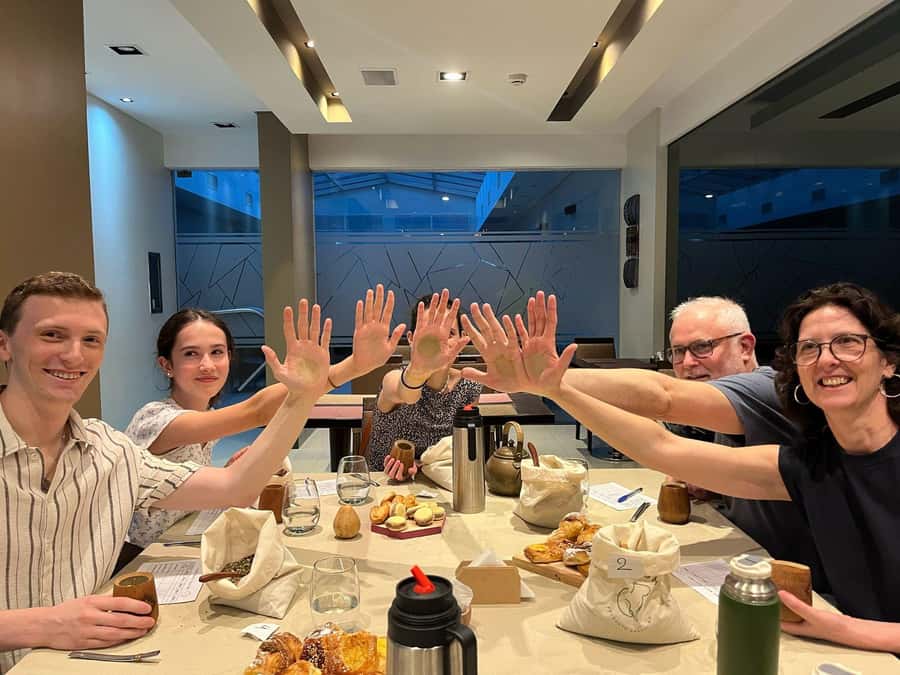
Each person receives a mate to use during the meeting. You learn how to prepare your own drink and receive tips for making a good mate. This hands-on section keeps the session from becoming passive.
The exact preparation process is important because mate has its own etiquette and technique. You get to see how the yerba is arranged, how the bombilla is used, and how the drink is handled once the water is added. Even if you make a few beginner mistakes, that is part of the point.
The hosts also explain possible herb and flavor combinations. This gives you room to think beyond a single traditional style. If the classic taste feels too strong, you can ask about gentler options. If you already like herbal drinks, you can ask which additions work well together.
I would not treat the goal as making a perfect mate on your first attempt. Instead, use the workshop to understand the basic logic. Once you know what each part does, you can practice later with less guesswork.
The social element matters here, too. Mate is commonly shared, so preparing it involves more than personal taste. The workshop gives you a way to learn the ritual respectfully before you encounter it in a home, café, or gathering.
Medialunas, biscochitos, and alfajores at the table
The tasting comes with typical Argentine sweet snacks: medialunas, biscochitos, and alfajores. These are not just filler between explanations. They show how mate fits into a relaxed snack break.
Medialunas are Argentine croissant-style pastries, while biscochitos are small biscuits often served with hot drinks. Alfajores add a richer, sweeter note. Together, they give you different textures and levels of sweetness alongside the yerba.
The food also makes the session more accessible if you are unsure about the drink. Mate can be an acquired taste, especially if you are new to its bitterness. Having something sweet to eat helps reset your palate and keeps the tasting pleasant.
The pastries have been singled out for their quality, and that improves the value of the $50 price. You are not paying only for samples of an unfamiliar herb. You are receiving a guided lesson, ingredients, a mate to use, snacks, and access to hosts who can answer questions in two languages.
Still, keep the price in proportion. This is a one-hour activity, so $50 is reasonable if you want focused cultural instruction and a tasting. It is less compelling if you are looking only for a large meal, a long tour, or a take-home souvenir. The mate provided is for use during the meeting, and the description does not promise that you can keep it afterward.
What the one-hour schedule means for you
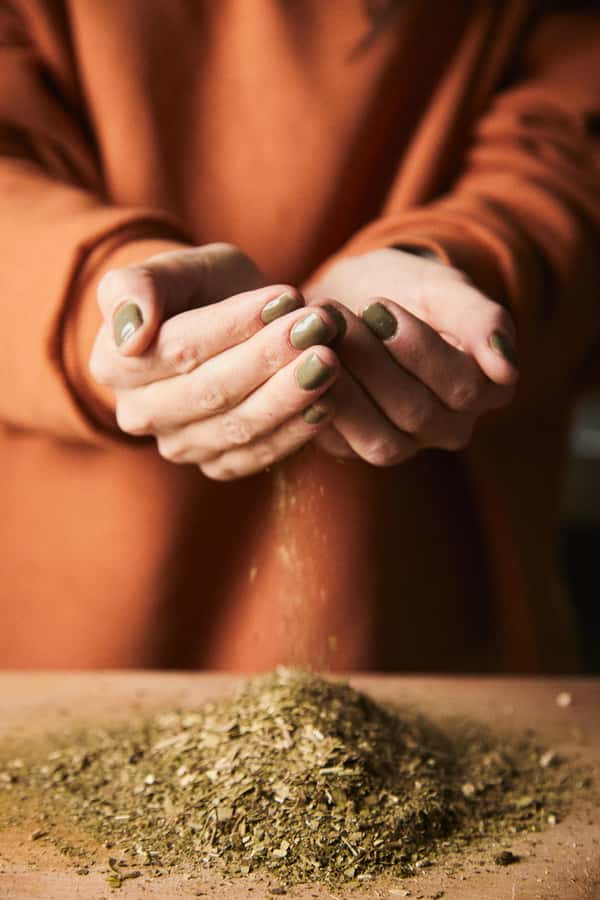
The 60-minute format works well as a short cultural stop between larger Buenos Aires plans. You can fit it into a day of sightseeing in or near Recoleta without giving up half a day. The tradeoff is that the hosts need to keep the pace moving.
Expect the session to combine four elements:
- An explanation of mate’s history, cultural role, myths, and legends
- A look at yerba mate cultivation, production, and different varieties
- A guided tasting of four types of yerba
- Practical brewing with pastries served during the mateada
That is a lot for one hour. You will get a clear introduction, but not an exhaustive study of every regional style or production method. If you have strong interest in agriculture, trade, or the technical side of yerba, ask focused questions rather than hoping the session will cover every angle.
The short length is also helpful for families, first-time visitors, and people who are curious but not ready to commit to a longer food tour. You can learn the essentials, decide what you like, and continue exploring mate on your own.
Who will get the most from Carpincha
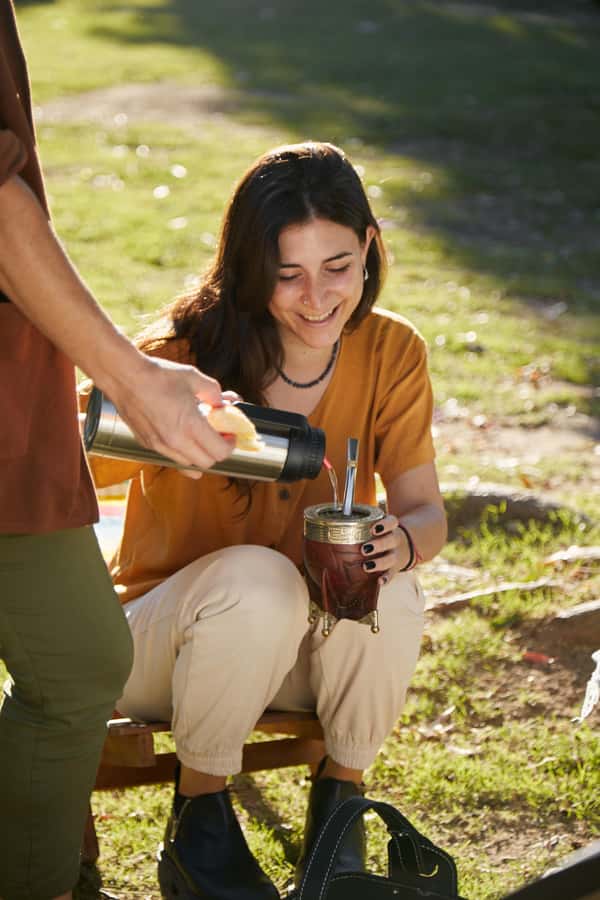
This workshop suits you if you want local customs explained through personal stories rather than a formal sightseeing lecture. The sessions are especially useful for first-time visitors to Argentina who keep seeing mate but do not understand the ritual.
It also fits food and drink lovers who enjoy comparing ingredients. Four yerbas give you enough variety to notice differences without turning the activity into a technical class. The pastries make it friendly for anyone who prefers a sweet snack with a hot drink.
English and Spanish instruction helps international visitors participate, while some original-language content may give bilingual visitors extra texture. The activity is wheelchair accessible, which removes one common concern for people planning a short indoor cultural experience.
You may want to choose something else if your priority is a long evening, a full meal, or transportation from your hotel. This is not designed as a city tour, and there is no promise of a wider Recoleta itinerary. The value is concentrated in the mate lesson itself.
Booking details worth knowing before you go
The listed price is $50 per person. It includes the masterclass, yerba tasting, a mate for each person to use during the session, brewing instruction, and Argentine pastries.
The meeting takes place in Recoleta, and transportation is not included. The duration is one hour, with starting times based on availability. English and Spanish are offered, though some content may appear in its original language.
You can cancel up to 24 hours in advance for a full refund. The reserve-now, pay-later option can help if your Buenos Aires schedule is still changing. Weapons or sharp objects, alcohol, and drugs are not allowed.
The experience has received a perfect rating from three verified bookings, with praise focused on the hosts’ clarity, the quality of the herbs, the pastries, and the warm exchange around mate. That small number does not prove every possible group will have the same experience, but it does point to the elements that matter most: friendly teaching, good ingredients, and a genuine sense of connection.
Should you book this Buenos Aires mate workshop?
Book it if you want to understand why mate is tied so closely to Argentine identity. The combination of four yerba tastings, practical brewing, personal stories, and classic pastries gives you more than a quick sample at a café.
I would place it early in a Buenos Aires visit if possible. After the session, you will recognize the drink, understand the offer of some mates, and have a better idea of what you are tasting when you encounter yerba elsewhere.
Skip it if you want a long food experience or a large serving of local dishes. At $50 for 60 minutes, the price makes sense for a focused cultural workshop, not for quantity. For curious visitors who value context, conversation, and a hands-on introduction, Carpincha offers a thoughtful way to meet one of Argentina’s most familiar rituals.
FAQ
Where does the mate workshop take place?
The meetings take place in the Recoleta area of Buenos Aires.
How long does the experience last?
The workshop lasts 60 minutes, or one hour.
What languages are available?
Instruction is available in English and Spanish. Some content may be shown in its original language.
How many types of yerba mate will I taste?
You will taste four types of yerba mate and learn about their variety, cultivation, production, and possible combinations.
Are pastries included?
Yes. The experience includes typical Argentine pastries such as medialunas, biscochitos, and alfajores.
Is transportation included?
No. You must make your own way to the meeting place in Recoleta.
Recently added in Buenos Aires
- Buenos Aires: Private City Tour by Car with Hotel or Pickup★ 5.0 · 3 reviews
- Guided tour Boca Juniors Museum & Stadium + Caminito★ 3.3 · 3 reviews
- Buenos Aires: Montserrat, San Telmo, La Boca, and Puerto …★ 5.0 · 3 reviews
- Unique Tigre and Delta Private Day Cruise Navegation★ 5.0 · 3 reviews
- Buenos Aires: MALBA Museo de Arte Latinoamericano Tour★ 4.1 · 3 reviews
- Tango Show at: MichelAngelo★ 4.5 · 3 reviews
- From Colonialism to Eclecticism, Buenos Aires arquitectonica★ 5.0 · 3 reviews
- BA: Wine tour with 5 tasting stops in the heart of Palermo★ 3.9 · 3 reviews
Buenos Aires Tours, compared.

Buenos Aires: Piazzolla Tango Show with Optional Dinner
Read our review →
Buenos Aires: City Highlights Guided Tour with Transfer
Read our review →
Buenos Aires: La Boca Guided Walking Tour in English
Read our review →
Buenos Aires: La Recoleta Cemetery Guided Tour in English
Read our review →
Buenos Aires: Tango Show at Tango Porteño & Optional Dinner
Read our review →
Buenos Aires: 9-Course Argentine Meat Tasting at Fogón Asado
Read our review →

Buenos Aires: Madero Tango Show with Optional Dinner
Read our review →Browse the lists this tour appears in