
Reviewed · BUENOS AIRES TOURS
Buenos Aires: River Plate and Boca Juniors Museum Tour
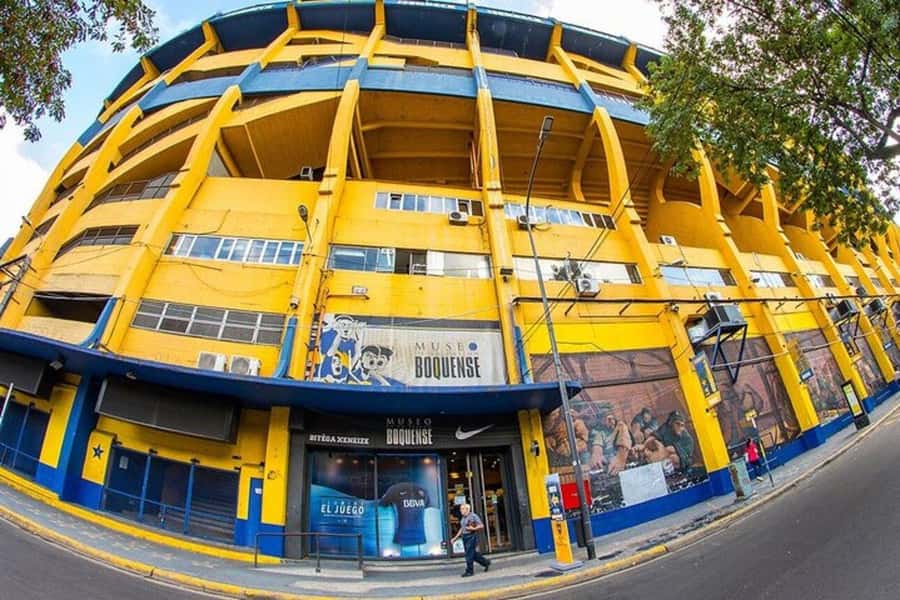
Buenos Aires football is not just a game. It is family memory, neighborhood identity, and a very loud argument that can last for generations. This tour takes you to both sides of the Superclásico, Boca Juniors in La Boca and River Plate in Nuñez, with museum displays, film footage, club trophies, and a look inside River’s stadium. The key update is important: Boca’s stadium interior is currently closed for renovations, so you visit the museum but not the pitch, changing rooms, or seating areas.
I like two things here. First, you get a useful side-by-side look at Argentina’s two great football powers instead of seeing only one club. Second, the guides can add the local meaning behind the rivalry. Guides Ariel and Martin have been especially praised for clear explanations, cultural comparisons, patient answers, and giving solo visitors time to take photos. The main drawback is simple: at $103, the tour is costly if you expect a full stadium tour at both grounds.
Key points at a glance
- Boca’s museum is open, but La Bombonera’s interior is not currently included: Renovations mean no pitch, locker rooms, or seating access at Boca.
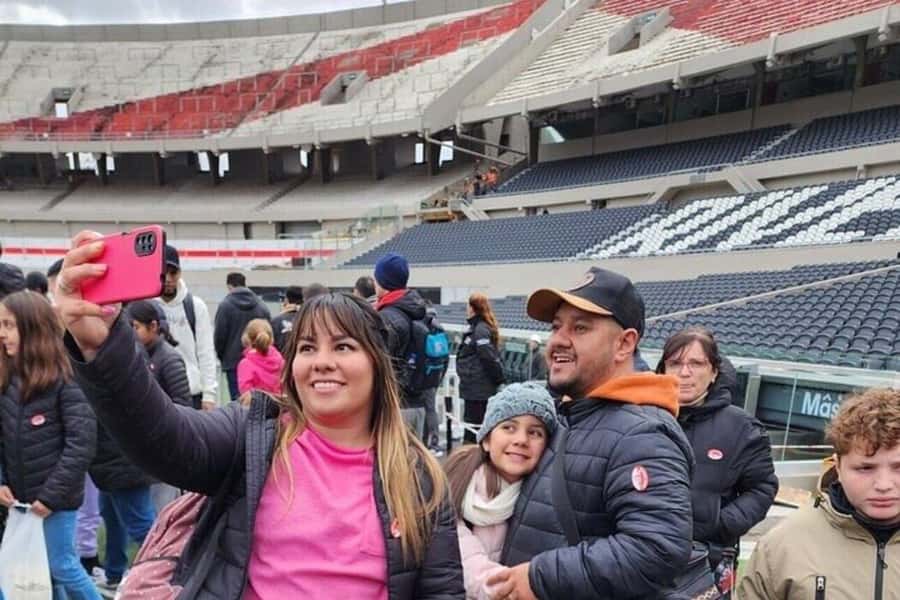
- River Plate provides the stronger stadium component: You can enter El Monumental, visit the playing field, and take photos.
- The tour links two very different neighborhoods: You begin in San Telmo, continue to La Boca, then head north to Nuñez.
- The museums are interactive rather than simple trophy rooms: Boca uses film and club displays, while River has a timeline module covering major eras and titles.
- A bilingual guide shapes the experience: Tours operate in English and Spanish, and may be multilingual.
- Transport is included during the tour: Hotel pickup is not included, and you return to the Tangol office in San Telmo.
Why this tour matters to football fans
You do not need to know every Argentine player to enjoy this outing. The point is to see how football fits into Buenos Aires life through two clubs that represent different neighborhoods, traditions, and identities.
Boca Juniors is tied to La Boca, the colorful southern district where La Bombonera sits. River Plate’s home, El Monumental, is in Nuñez in the north of the city. Visiting both gives you more than a pair of club museums. You get a moving lesson in the geography of the Superclásico.
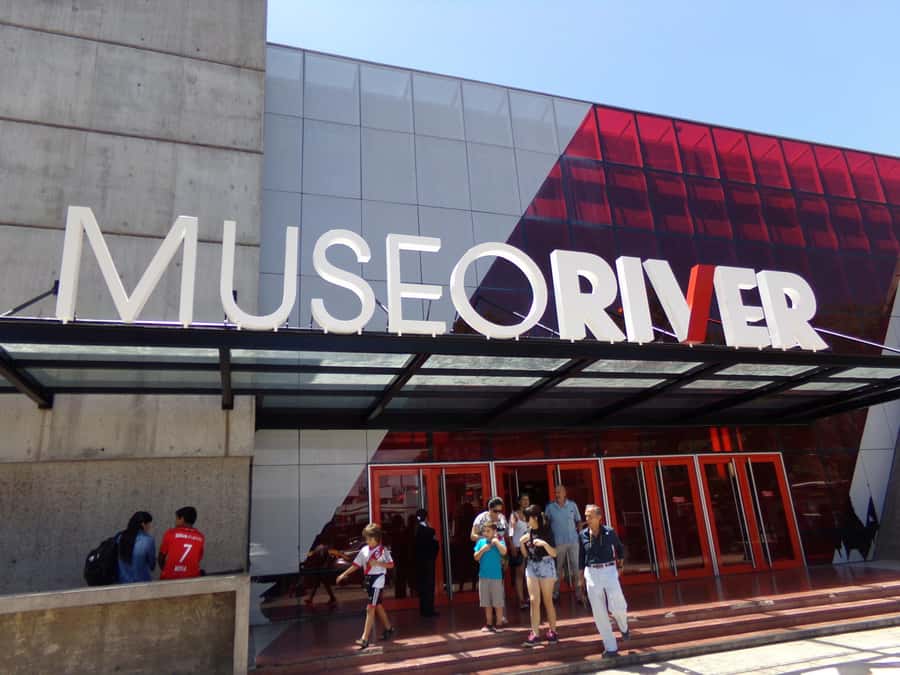
I like the structure because it makes comparison easy. At Boca, you learn about the famous shirt, key players, and the club’s past through the Museo de la Pasión Boquense. At River, the Museo River Plate presents the club’s founding, great players, and major titles before taking you into the stadium itself.
The activity is sold in different versions. Depending on your booking, you may visit both museums or only Boca Juniors or River Plate. Check the exact option before paying, since museum entry is included only when that museum is part of your selected version.
more football matchdays in Buenos Aires
- Buenos Aires: Tickets to Boca Juniors Museum & Stadium
★ 4.5 · 581 reviews - Soccer Match in Buenos Aires with Transfers and Local Guide
★ 5.0 · 103 reviews - Buenos Aires: Boca Juniors and River Plate Football Tour
★ 4.3 · 82 reviews
Starting in San Telmo and heading to La Boca
The meeting point is the Tangol Travel Agency office in San Telmo. Hotel pickup is not provided, so plan your route to the office and allow enough time to arrive before departure.
From there, transport takes you toward La Boca. This is a practical arrangement for a half-day outing, since the two stadiums are in different parts of Buenos Aires. Moving between them by included transport saves you from piecing together separate taxis or public transport trips.
La Boca is one of the city’s best-known areas, and the stadium is central to its identity. The tour begins with Boca Juniors rather than River Plate, which gives you a strong first look at the emotional side of the rivalry.
One caution: the published itinerary describes a stadium visit at La Bombonera, including the best seats, locker rooms, pitch, and a view of Diego Maradona’s private box. That portion is currently not operating because of renovations. You should expect access to the Boca Juniors museum only, not the field, changing rooms, or seating areas.
That distinction matters. If your main goal is to stand beside the Boca pitch, this is not the right time to book. If you want the club’s story and visual displays, the museum remains part of the experience.
The Museo de la Pasión Boquense
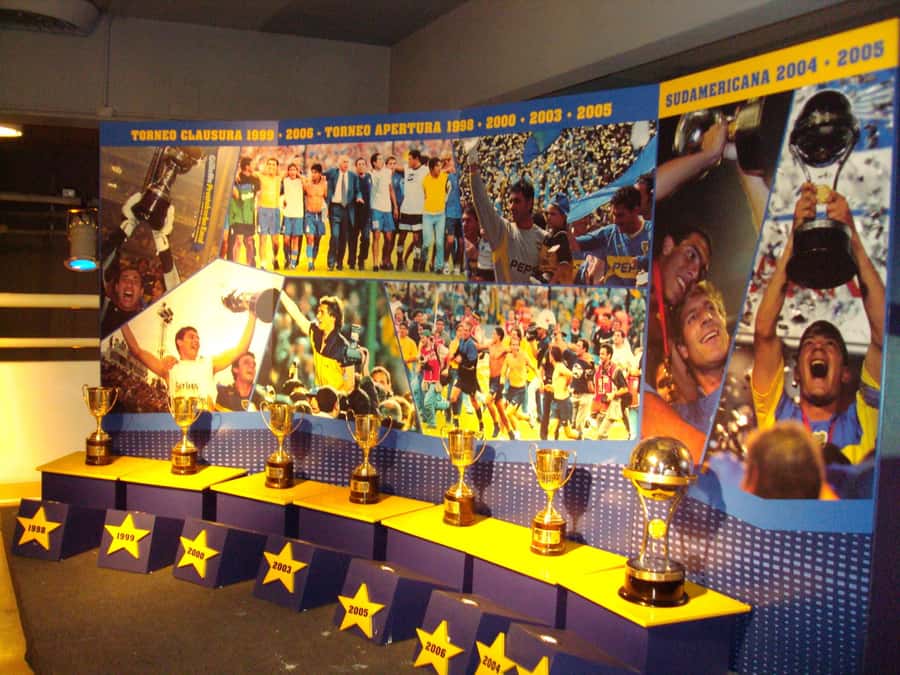
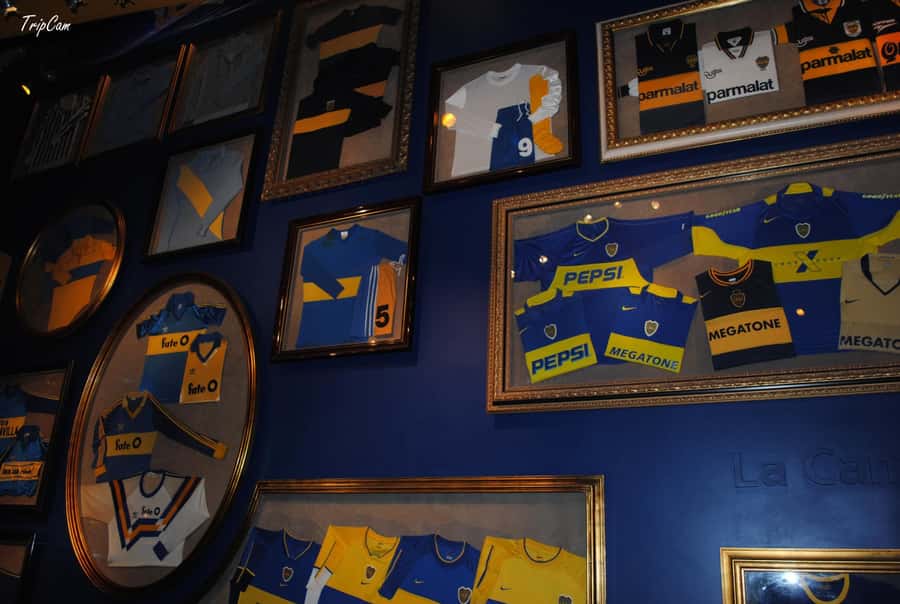
The Boca Juniors museum focuses on the club’s identity, players, achievements, and changing shirt design. It is built as an interactive museum, so you are not simply walking past framed photographs and old jerseys.
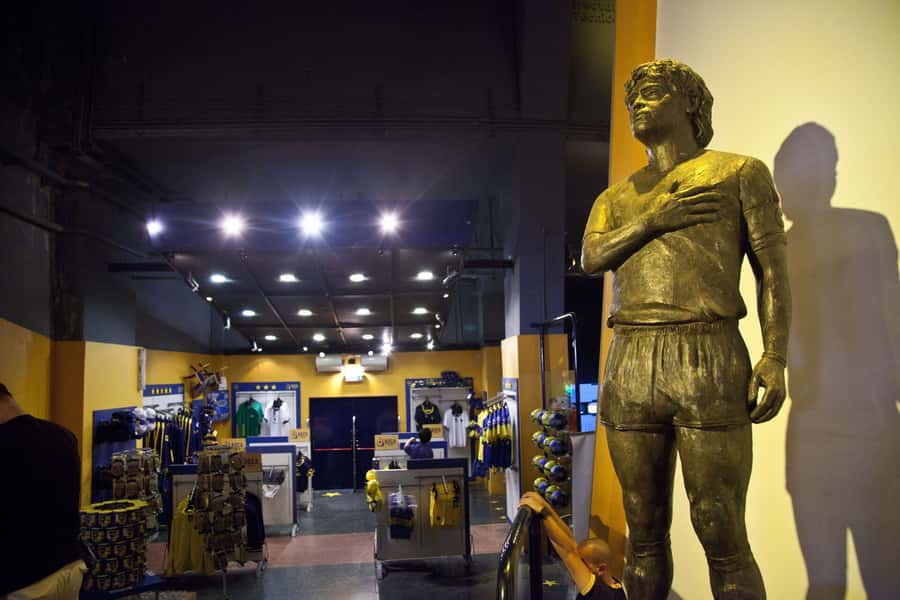
A film shows what it feels like to join the team and run onto the pitch in Boca’s kit. That kind of presentation helps explain why the club means so much to its supporters. You get a sense of the matchday ritual even though the current renovation prevents an actual stadium walk.
The museum is also useful for first-time football visitors. Your guide can explain the names, symbols, and moments that may otherwise blur together. One particularly strong part of the guiding is the comparison between Boca and River, including cultural differences and the small details that make the rivalry more than a normal local match.
You should allow time for photos and questions. Martin, one of the guides specifically praised for this tour, gave a solo participant room to stop, ask questions, and take pictures rather than rushing from display to display. That is a good sign for anyone who prefers a personal explanation instead of a fast group script.
Still, manage expectations. The Boca museum cannot replace La Bombonera access while renovation work continues. You will not see the locker rooms or take a photo on the playing field as the original description suggests.
Crossing Buenos Aires to River Plate
After the Boca portion, the tour heads north to Nuñez, home of River Plate and El Monumental. The change of neighborhood helps you understand how far apart the two clubs are in the city, both physically and in character.
The first River stop is outside the stadium. You see part of the area known as Barrio River and learn about the access gates and surroundings before entering the museum. This outside look is brief, but it gives the stadium a setting rather than presenting it as an isolated building.
The transport time between La Boca and Nuñez is one reason the tour lasts three to five hours. The exact timing depends on the selected option and starting time, so check availability when booking. You should not treat this as a quick museum visit. It is a city outing with two major stops.
The guide is an important part of this transfer. A good explanation can turn the journey into a comparison of club traditions, rather than dead time in a vehicle. English and Spanish are offered, though the guide may be multilingual.
more Buenos Aires days to weigh up
- Buenos Aires: Hop-On Hop-Off Bus and Football Museums
★ 4.3 · 39 reviews - River Plate Monumental Stadium and Museum Guided Tour
★ 4.5 · 39 reviews - Buenos Aires: Tickets to River Plate Museum
★ 4.6 · 32 reviews - AllMaradona Buenos Aires: Maradona House Museum and Stadium
★ 5.0 · 21 reviews
Inside the Museo River Plate
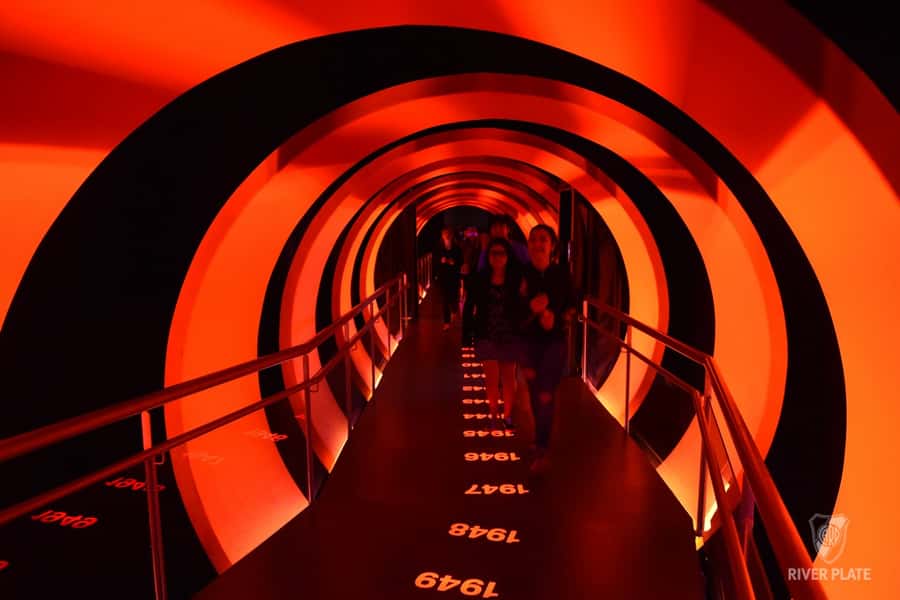
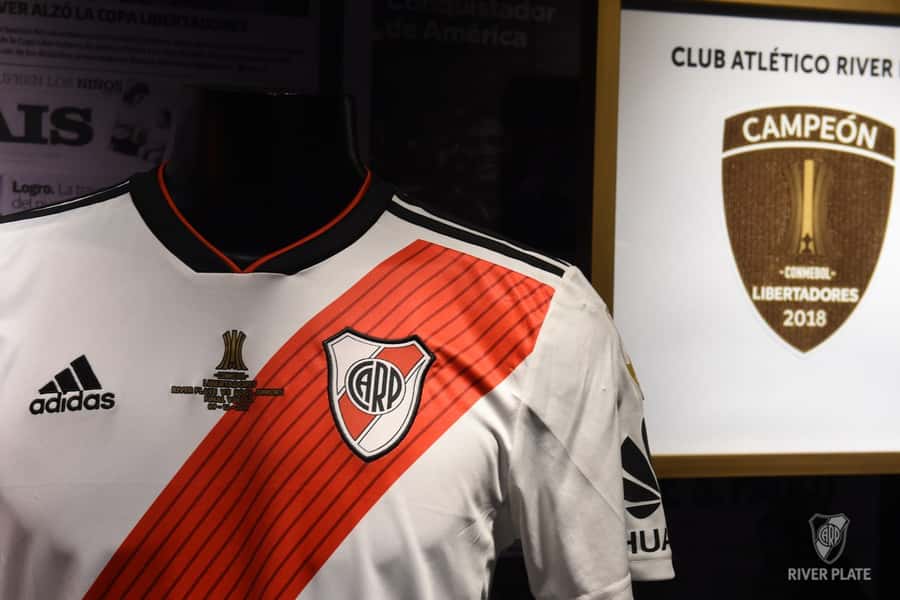
River’s museum begins with a timeline experience described as a temporary translation module. It presents the club’s progress from its founding through major achievements, players, and titles.
The River museum is a good counterpoint to Boca’s more emotional film presentation. Here, you follow the club’s story in a more chronological way. For football fans, this creates a clear framework for understanding River’s place in Argentine football.
You will see material about important players and the trophies River has won. Even if you arrive with strong Boca loyalties, the museum makes River’s scale and ambition clear. That balance is one of the best reasons to choose the combined option.
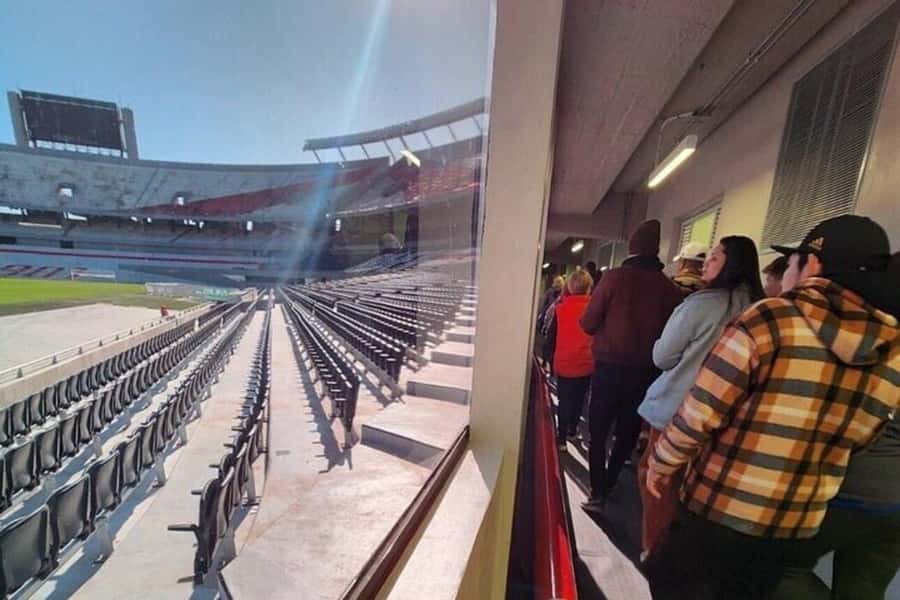
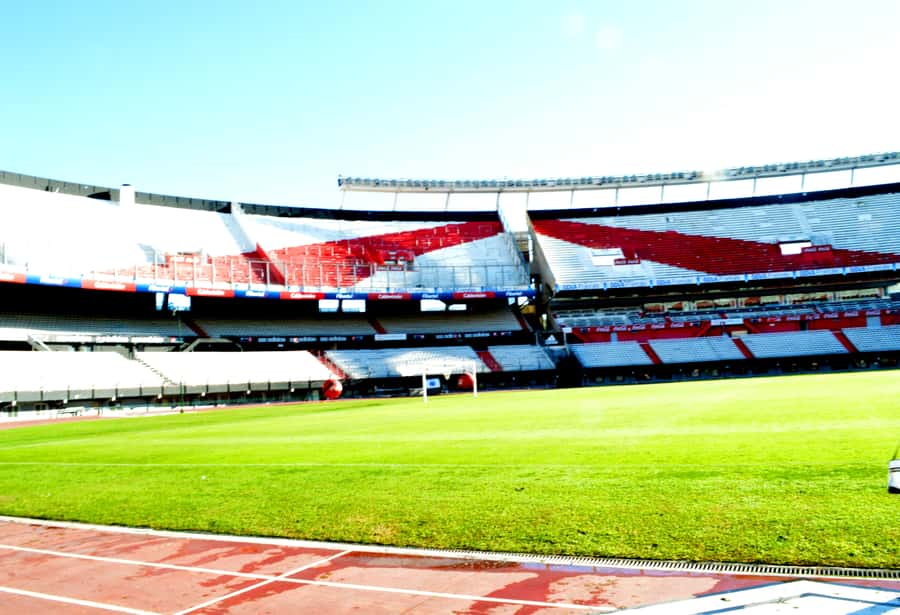
The museum is also the practical center of the River visit. After the exhibits, you enter El Monumental and get the stadium access that is no longer available at Boca. You can visit the playing field and take photographs.
This is where the tour earns much of its value for a football fan. A museum can explain the club, but entering the stadium gives you a sense of its physical presence. The River portion combines both elements in one stop.
What the guide adds to the experience
The guide is not just there to lead you between buildings. The best part of this activity is the interpretation: why the rivalry matters, how the clubs differ, and which players and titles shaped their identities.
Ariel has been singled out for warm, attentive service, while Martin was praised for explaining the history of both teams and both stadiums, along with cultural differences and unusual details. Those comments point to the kind of guide you want on a football tour: someone who answers questions instead of repeating dates.
A solo booking can be especially rewarding if the group is small. One person who took the tour alone was able to move by taxi with the guide, making the outing feel more personal and local. Group size is not specified, so you should not assume every departure will work this way, but a smaller group can make photo stops and questions easier.
The tour may be operated by a multilingual guide. If you need a detailed explanation in English or Spanish, confirm the language option when reserving. A bilingual or multilingual tour may still include some commentary in more than one language.
Is $103 a fair price?
At $103 per person, this is not a bargain museum ticket. You are paying for transport between distant neighborhoods, a live guide, and entry to one or both museums depending on your chosen option.
The value is strongest if you select both clubs. You get two different museums, a guided comparison, and River’s stadium access. Booking the single museum option makes more sense if you already know you care mainly about Boca or River, but the price should be compared with the cost of arranging transport and admission separately.
The value is weaker if you book expecting full access to both stadiums. Boca’s renovation changes the balance. You receive the Boca museum, but not the pitch, changing rooms, or seating areas described in the wider itinerary. River remains the place where you get playing-field access.
Food and drinks are not included, and there are no stated extras included beyond the guide, transport, and applicable museum entries. Bring your own refreshments if needed, but remember that large bags and luggage are not allowed.
Timing, comfort, and practical details
The activity lasts between three and five hours. That range reflects the selected option and the time needed to travel across Buenos Aires. Check available starting times before booking, since this is not a fixed departure stated for every day.
Wear comfortable shoes. You will walk through museums, stadium areas, and access points, and the tour is not suitable for people with mobility impairments or wheelchair users.
Bring a passport or ID card. Large bags and luggage are not allowed, so this is not a good activity to schedule between hotel checkout and an airport transfer unless you have a place to store your belongings.
The tour ends back at the Tangol office in San Telmo. From there, you arrange your own onward transport. That return point is useful if you plan to continue exploring San Telmo, but it is not the same as being dropped at your hotel.
Free cancellation is available up to 24 hours before the activity for a full refund. You can also reserve now and pay later, which helps if your Buenos Aires schedule is still shifting.
Who should book this football tour?
I would recommend the combined version to football fans who want context, not just a quick photo outside a stadium. You will get the best result if you are curious about both clubs and comfortable giving several hours to transport, museums, and guided explanation.
It also suits visitors who do not know much about Argentine football. The guide helps connect the displays to the city and the rivalry, so you do not need to arrive with a list of players memorized.
The tour is less suitable if you want a matchday atmosphere. There is no match included, and Boca’s renovation means no interior stadium tour there at present. It is also not a good choice if you need wheelchair access or cannot manage extended walking.
If you already have plans in La Boca and Nuñez, compare the cost carefully. The included transport and guide are useful, but you may prefer to visit only the museum linked to your strongest interest.
Should you book the River Plate and Boca Juniors tour?
Book it if you want the clearest football introduction to Buenos Aires in one outing. The two museums show different sides of the Superclásico, River gives you field access, and a strong guide such as Ariel or Martin can add the cultural details that displays alone cannot provide.
Before booking, accept the current Boca limitation. You are not getting access to La Bombonera’s field, changing rooms, or seating areas during renovations. If that is a deal breaker, wait until stadium access returns. If you can live with a museum-only Boca visit, the combined tour remains a practical and engaging way to understand Argentina’s greatest football rivalry.
FAQ
Where does the tour begin?
You meet at the Tangol Travel Agency office in San Telmo.
Does the tour include hotel pickup?
No. Hotel pickup is not included. You must make your own way to the Tangol office.
Can I visit inside La Bombonera?
At present, the Boca Juniors stadium visit is not operating because of renovations. The tour includes access to the Boca Juniors Museum when that option is selected, but not the pitch, changing rooms, or seating areas.
Can I enter River Plate’s stadium?
Yes. The River Plate portion includes entry to El Monumental, including access to the playing field for photographs.
Can I choose only one club?
Yes. Depending on the option you select, you can visit both museums or only the Boca Juniors or River Plate museum.
What languages are available?
The tour is offered in English and Spanish. It may be operated by a multilingual guide.
How long does the activity last?
The tour lasts between three and five hours. Starting times and the exact duration depend on availability and the option selected.
What should I bring?
Bring a passport or ID card and wear comfortable shoes.
Can I bring luggage or a large bag?
No. Luggage and large bags are not allowed.
Is the tour suitable for wheelchair users?
No. The activity is not suitable for wheelchair users or people with mobility impairments.
Recently added in Buenos Aires
- Buenos Aires: Private City Tour by Car with Hotel or Pickup★ 5.0 · 3 reviews
- Guided tour Boca Juniors Museum & Stadium + Caminito★ 3.3 · 3 reviews
- Buenos Aires: Montserrat, San Telmo, La Boca, and Puerto …★ 5.0 · 3 reviews
- Unique Tigre and Delta Private Day Cruise Navegation★ 5.0 · 3 reviews
- Buenos Aires: MALBA Museo de Arte Latinoamericano Tour★ 4.1 · 3 reviews
- Tango Show at: MichelAngelo★ 4.5 · 3 reviews
- Buenos Aires: Mate Workshop y Otras Yerbas★ 5.0 · 3 reviews
- From Colonialism to Eclecticism, Buenos Aires arquitectonica★ 5.0 · 3 reviews
Buenos Aires Tours, compared.
Buenos Aires: Piazzolla Tango Show with Optional Dinner
Read our review →
Buenos Aires: City Highlights Guided Tour with Transfer
Read our review →
Buenos Aires: La Boca Guided Walking Tour in English
Read our review →
Buenos Aires: La Recoleta Cemetery Guided Tour in English
Read our review →
Buenos Aires: Tango Show at Tango Porteño & Optional Dinner
Read our review →
Buenos Aires: 9-Course Argentine Meat Tasting at Fogón Asado
Read our review →
Buenos Aires: Madero Tango Show with Optional Dinner
Read our review →Browse the lists this tour appears in