
Reviewed · BUENOS AIRES TOURS
AllMaradona Buenos Aires: Maradona House Museum and Stadium
The most moving part of this tour is not a trophy case. It is La Casa de D10S, the modest Buenos Aires home where Diego Maradona lived with his family while playing for Argentinos Juniors. You also visit the stadium where he made his professional debut at age 15, so the tour connects a real address with the first major chapter of his career.
I like the hotel pickup and drop-off, which makes reaching La Paternal simple, and I like the small group size, limited to 10 people. Guides including Fernando Ponce bring strong knowledge of Maradona and Argentinos Juniors, with English and Spanish tours available. The main drawback is the $138 price for three hours, especially since food and drinks are not included.
Key points
- Walk through Maradona’s La Paternal: Follow the streets connected with his early soccer years and see the neighborhood where his professional life began.
- Visit the stadium of his debut: Tour the Diego Armando Maradona Stadium, including the field, dressing rooms, central hall, press room, and stands.
- See a fan-built football museum: El Templo del Fútbol was created through volunteer work by Argentinos Juniors supporters and club members.
- Enter his first owned home: La Casa de D10S covers the period from 1978 to 1980, when Maradona lived there with his family.
- Keep the group personal: The tour is limited to 10 participants, with bilingual guiding in English and Spanish.
- Use flexible booking terms: You can cancel up to 24 hours before departure for a full refund, and reserve now while paying later.
Maradona’s beginnings in La Paternal
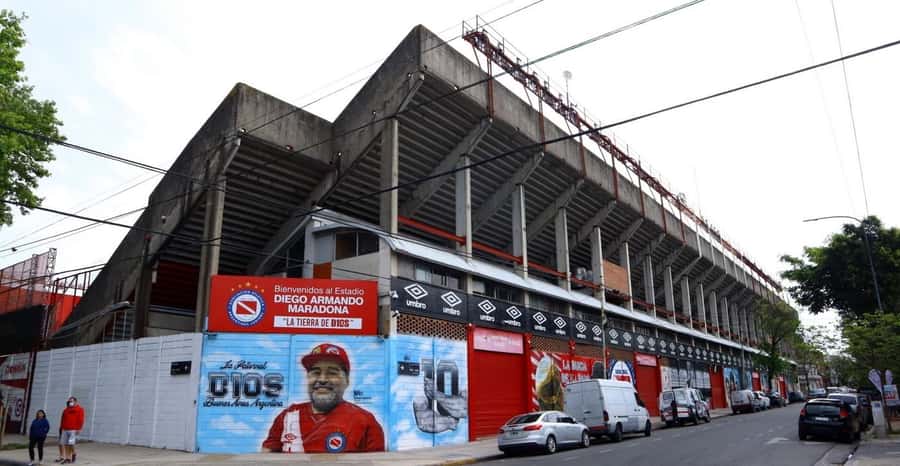
This is a tour about beginnings, not just fame. In Buenos Aires, Diego Armando Maradona is more than a former player. His name is tied to national pride, fierce football loyalty, and the idea that a local boy can rise from a working-class neighborhood to the top of the sport.
The tour takes you to La Paternal, the Buenos Aires neighborhood linked to Argentinos Juniors and Maradona’s first professional years. You walk through the same area he knew as a young player. That setting gives the visit more meaning than a standard museum tour, because you are seeing the streets and buildings connected to a specific period of his life.
I find this focus useful for two reasons. First, it gives you a clear story to follow. Second, it keeps the tour grounded in ordinary places rather than treating Maradona only as a global celebrity. You see where he lived, where he played, and how Argentinos Juniors helped shape his early career.
This experience is best for people who already care about football or want to understand why Maradona matters so much in Argentina. If you are looking for a broad Buenos Aires sightseeing tour, this will feel narrow. If you want a close look at one important figure and one historic football club, the subject is nicely focused.
more football matchdays in Buenos Aires
- Buenos Aires: Tickets to Boca Juniors Museum & Stadium
★ 4.5 · 581 reviews - Soccer Match in Buenos Aires with Transfers and Local Guide
★ 5.0 · 103 reviews - Buenos Aires: Boca Juniors and River Plate Football Tour
★ 4.3 · 82 reviews
Entering the Diego Armando Maradona Stadium
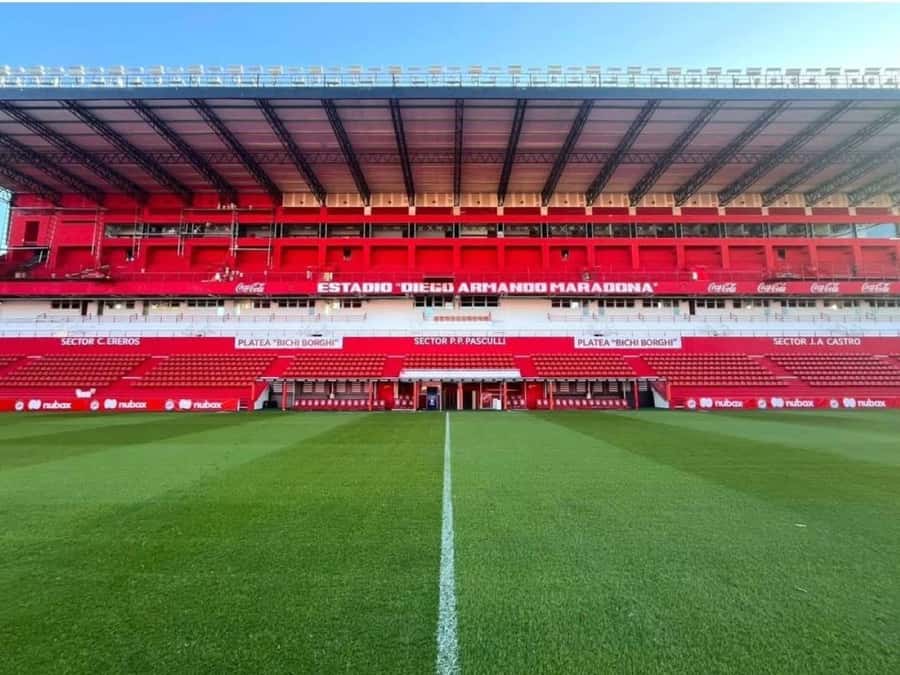
The main stadium visit lasts about 90 minutes. It is the centerpiece of the experience, and the name itself reflects Maradona’s importance to Argentinos Juniors. This is the ground where he made his professional debut wearing the club’s jersey at just 15 years old.
You visit the playing field, changing rooms, central hall, press room, and stands. Those areas help you picture the club from several angles. The field connects you to match day, while the dressing rooms and press room show the less public side of professional football.
The value here comes from the stadium’s direct link to Maradona’s first major step. You are not simply visiting a ground named after a famous player. You are visiting the place where his professional story began.
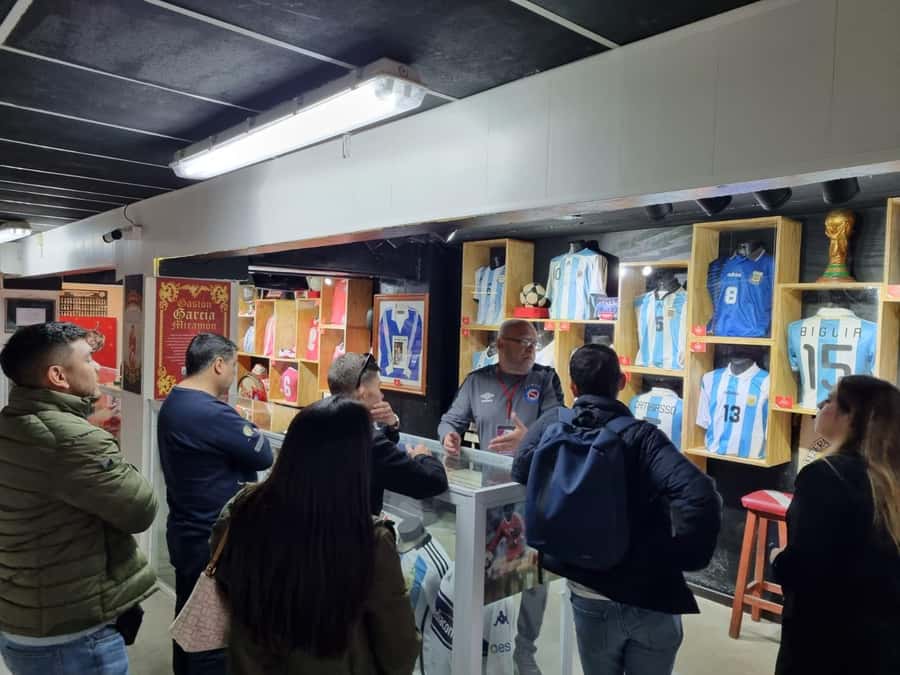
Your guide is important during this part. A good guide can explain the club’s place in Argentine football and connect the stadium spaces to Maradona’s rise. Fernando Ponce is one of the guides associated with this experience, and English-speaking visitors have specifically valued his clear communication, helpful manner, and strong grasp of the football story.
The tour is bilingual in Spanish and English. That matters in a football setting, where club names, local references, and old match stories can move quickly. Ask questions as you go. With a maximum of 10 participants, you should have a better chance to engage with the guide than on a large coach tour.
One practical point: stadium tours can vary depending on club activity, but the listed visit includes the field, dressing rooms, central hall, press room, and stands. The experience is built around those spaces rather than a long match-day production. You should book it for access and context, not for a game ticket or a chance to see a match.
El Templo del Fútbol, a museum built by supporters
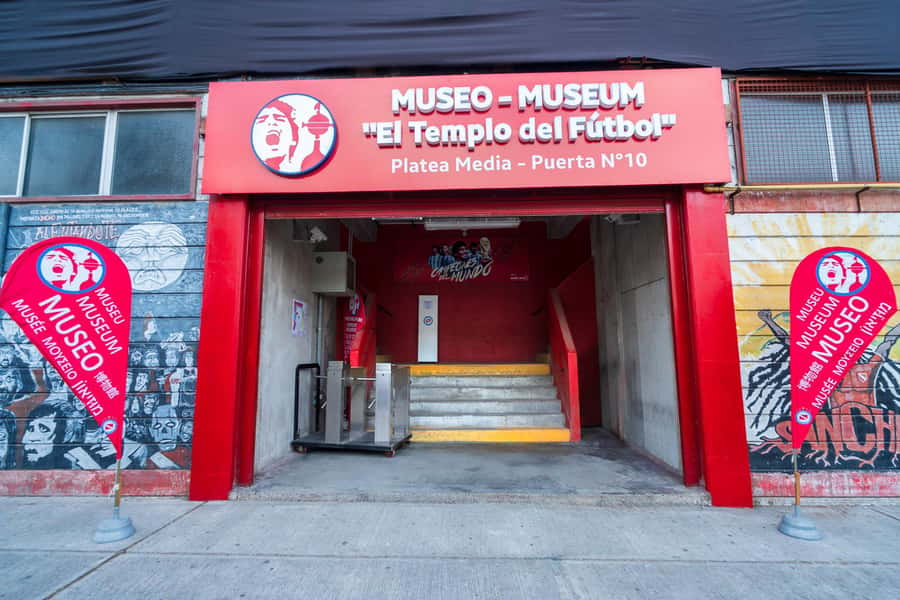
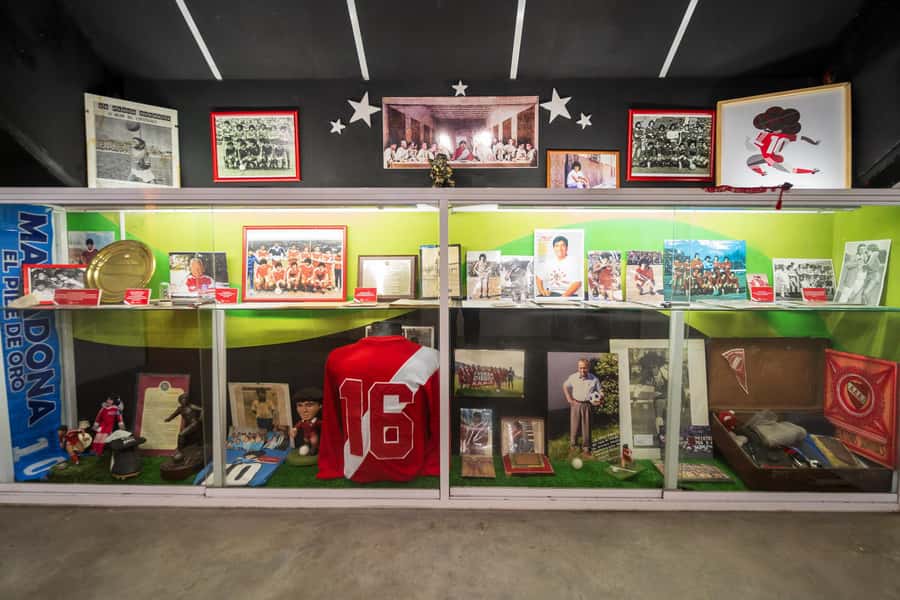
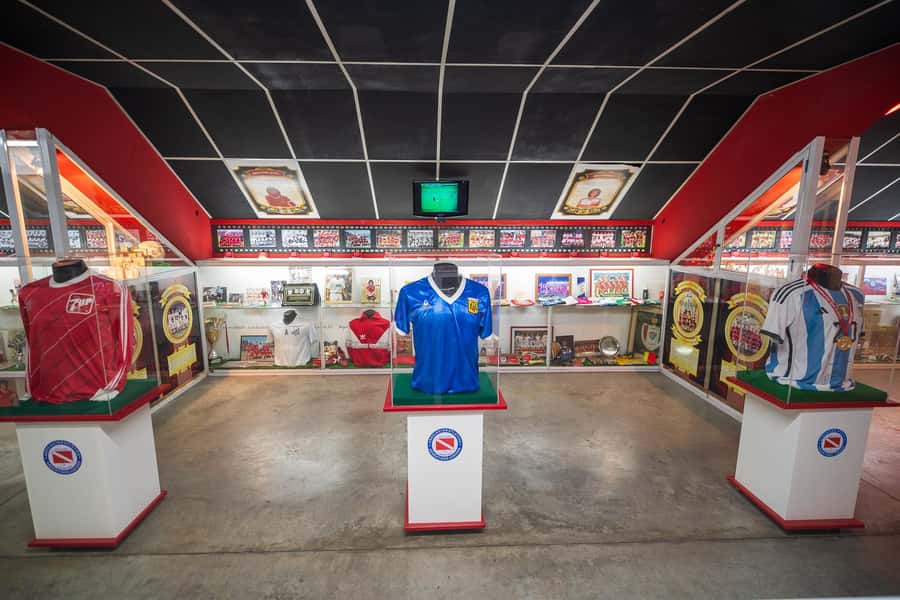
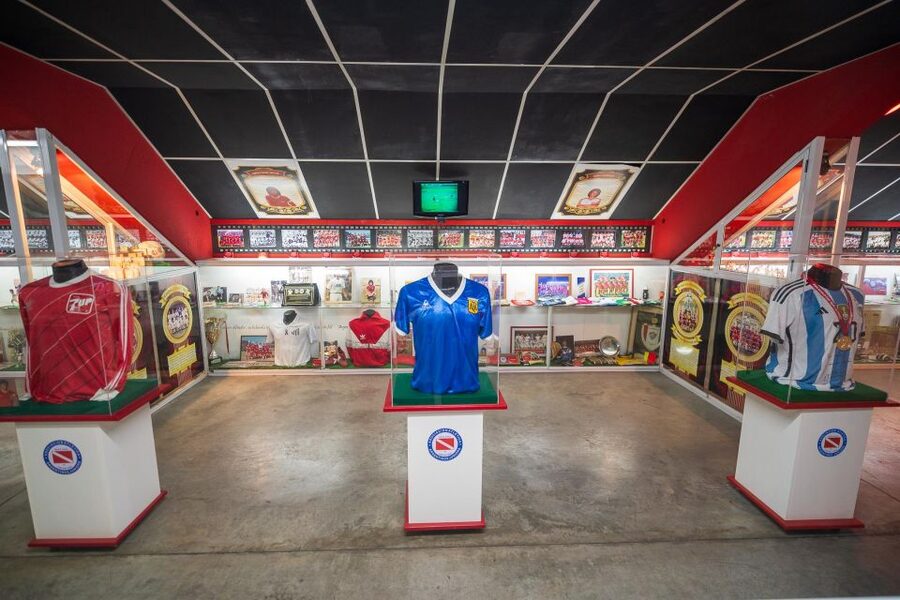
Inside the stadium is El Templo del Fútbol Museum. Its unusual feature is how it came together. Argentinos Juniors fans and club members created it through volunteer work, rather than relying only on a large commercial museum operation.
That gives the museum a personal club feel. You can expect its focus to be on the identity of Argentinos Juniors and its connection with Maradona. The museum visit is included in the price, and it forms part of the stadium tour rather than requiring a separate outing.
I like this kind of museum because it can show what matters to supporters in a way that a polished, corporate display sometimes cannot. The tradeoff is that a fan-built museum may feel more intimate and less slick than a major national sports museum. Go for the stories, club feeling, and Maradona connection, not for a huge collection or an elaborate multimedia show.
The guide helps put the displays in order. Without context, football memorabilia can blur into shirts, photographs, and names. With a guide, you can better understand why Argentinos Juniors matters and how Maradona’s time there fits into the club’s story.
Inside La Casa de D10S
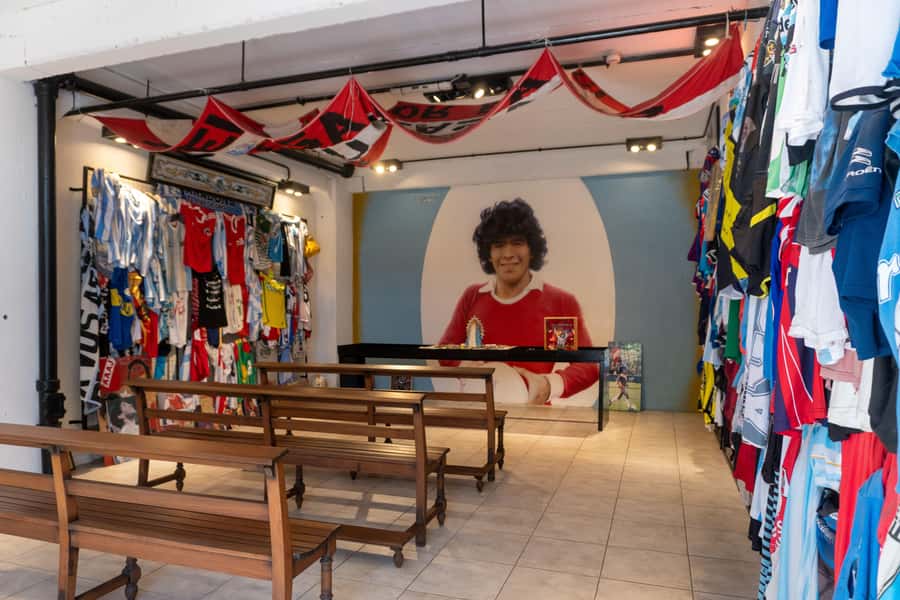
The second major stop is La Casa de D10S, with about 50 minutes set aside for the guided visit. This was Maradona’s first owned home, where he lived with his family from 1978 to 1980 while he was a player for Argentinos Juniors.
The house is especially interesting because Argentinos Juniors gave it to Maradona for his 18th birthday. It has since been recovered and recognized by the City Parliament as a historic place in tribute to him. That detail gives the stop an unusual emotional weight. This is not a grand mansion linked to his later fame. It is a family home connected to the moment when his career was still taking shape.
You should expect this part to feel more personal than the stadium. The stadium tells you where Maradona played. The house gives you a sense of where he and his family lived during those early professional years.
The visit also shows how football can shape a neighborhood. The house became important not because of its architecture, but because of the life and career that unfolded there. For me, that is the strongest reason to choose this tour over a standard football museum. You are visiting a place with a direct personal connection, not just looking at objects about Maradona.
Keep your expectations sensible. The supplied details do not describe the size of the house, its room-by-room displays, or specific items inside. The value comes from the address, the period it represents, and the guide’s explanation. If you want a large collection of match shirts, medals, and video screens, the stadium museum is likely to provide more of that type of material.
more Buenos Aires days to weigh up
- Buenos Aires: River Plate and Boca Juniors Museum Tour
★ 4.5 · 72 reviews - Buenos Aires: Hop-On Hop-Off Bus and Football Museums
★ 4.3 · 39 reviews - River Plate Monumental Stadium and Museum Guided Tour
★ 4.5 · 39 reviews - Buenos Aires: Tickets to River Plate Museum
★ 4.6 · 32 reviews
Why the guide can make or break the experience
The tour depends heavily on the guide. Much of the interest comes from the links between the neighborhood, club, stadium, museum, and house. A guide who knows the story can turn those stops into one clear narrative.
Fernando Ponce is specifically associated with the experience, and his English has been praised as excellent. His approach is described as accommodating, attentive, and full of genuine interest in football. Other references also name Fernando and Fernando Jaime, so the exact guide may vary by departure.
That is worth keeping in mind when booking. The experience is sold with a live bilingual guide, but a particular guide cannot necessarily be guaranteed. Still, the feedback points to a consistent strength: professional guiding with a strong personal connection to the subject.
You should also think about language. English and Spanish are offered, which makes the tour practical for international visitors. If you speak Spanish, you may enjoy the local football terms and club stories in their original setting. If you do not, the English option lets you follow the history without depending on signs alone.
Three hours, hotel pickup, and a small group
The total duration is three hours, including transportation from Buenos Aires. Pickup and drop-off take place at your hotel door in Buenos Aires, a useful feature because La Paternal is not usually the first area a short-term visitor finds on their own.
The planned visits account for about two hours and 20 minutes: approximately 90 minutes at the stadium and museum, followed by 50 minutes at the house. The remaining time allows for transfers and the movement between stops.
The small-group limit of 10 participants is another practical advantage. You avoid the feel of a large bus excursion, and the guide can usually respond to individual questions more easily. It also suits a subject where people often want to pause and talk about particular players, matches, or moments in Maradona’s career.
The tour includes skip-the-line entry, the stadium and museum tour, the house museum, and transfers. Food and drinks are not included, so plan to eat before or after the activity. At three hours, this is not a full-day outing, and you should not need to arrange a meal during the tour unless your timing requires one.
Pickup details matter in Buenos Aires. Make sure your hotel is within the stated pickup area of Buenos Aires and watch for the tour operator’s instructions after booking. Since the transfer is part of the service, the price is paying for more than museum admission alone.
Is $138 a fair price?
At $138 per person, this is a premium three-hour experience. The price makes the most sense if you value convenience, a private-feeling group, bilingual guiding, and access to both the stadium and Maradona’s former home.
If you were only paying to enter a museum, the cost would feel high. Here, you are also paying for hotel transportation, a live guide, two separate sites, and the chance to visit places that are closely tied to Maradona’s early life. For a committed football fan, that package can be worthwhile.
The value is less clear for a casual sports visitor. If you know little about Maradona, you may still enjoy the house and stadium, but the emotional pull will depend on how much you care about football history. You are not getting a general Buenos Aires introduction, a meal, or a match. You are getting a focused club and biography tour.
I would compare this with the cost and effort of arranging taxis, finding the stadium, and organizing admission yourself. The included pickup and drop-off remove much of that friction. You also avoid having to piece together the story from separate locations.
The free cancellation window helps reduce the risk. You can cancel up to 24 hours before the activity for a full refund, and the reserve-now, pay-later option gives you some flexibility when building a Buenos Aires schedule.
Who will enjoy this most?
This tour suits:
- Dedicated Maradona fans who want more than a general museum display.
- Football historians interested in the early stage of a player’s career.
- Argentinos Juniors supporters who want to understand the club’s connection with its most famous player.
- Families and small groups who prefer door-to-door transport and a limited group.
- English or Spanish speakers who want a guide to explain the local context.
- Repeat visitors to Buenos Aires looking beyond the usual central sights.
It may not suit you if you dislike football, prefer independent sightseeing, or want a full day of varied city attractions. The itinerary is specific and Maradona-centered. That focus is its strength, but it also sets a clear limit.
The walking element is worth noting. You visit the stadium and house and walk streets in La Paternal, so wear comfortable shoes. The provided information does not specify the total walking distance or accessibility arrangements, so ask the operator if you have mobility concerns.
A thoughtful look at Maradona’s legacy
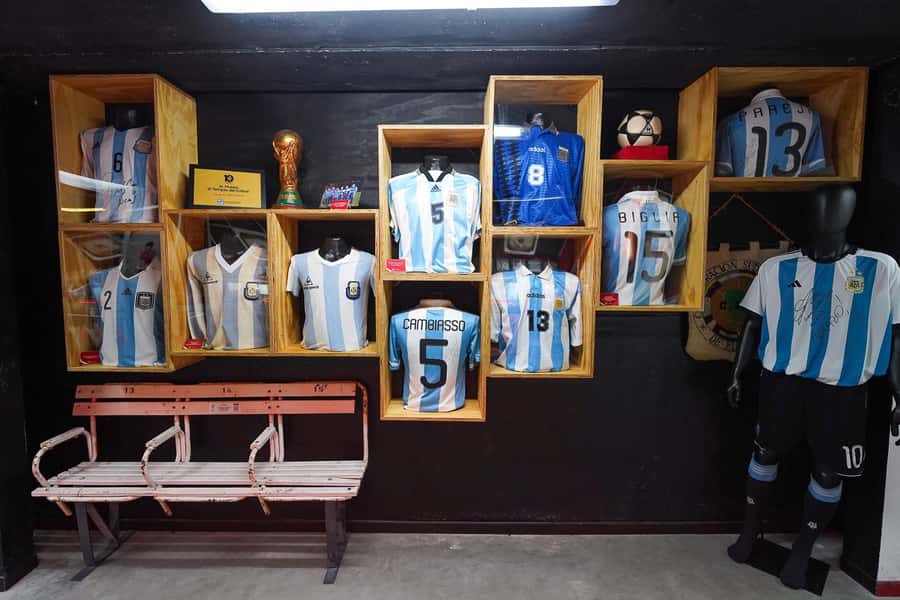
The tour does not present Maradona as a simple hero with a flawless story. Its main purpose is to show the places tied to his rise and explain his importance to Argentinos Juniors and Argentina.
That distinction matters. You are visiting the starting point of his career, not a full account of every part of his life. The experience works best when you approach it as a look at his early years, his family home, and his relationship with the club.
The strongest moments are likely to come from the contrast between the two main stops. At the stadium, Maradona is the teenage professional beginning to make his mark. At the house, he is part of a family living through the first stage of success. Together, the sites create a more human portrait than a list of career achievements would.
Should you book AllMaradona Buenos Aires?
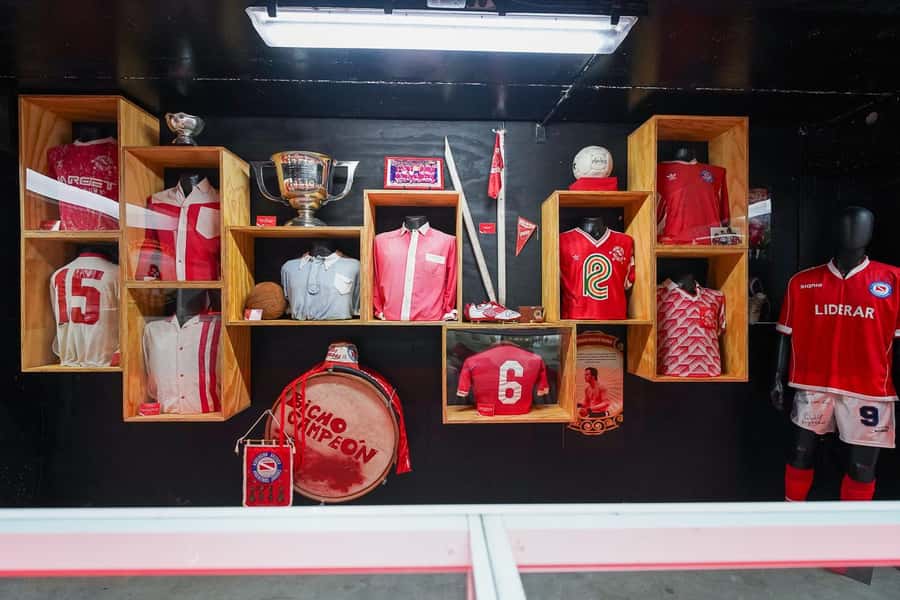
Book it if Maradona or Argentine football is a major reason you are visiting Buenos Aires. The combination of the Diego Armando Maradona Stadium, El Templo del Fútbol Museum, and La Casa de D10S gives you a focused story with real places at its center.
I would especially choose it if you want hotel pickup, English or Spanish guiding, and a small group rather than an independent trip across the city. Fernando Ponce and the other guides associated with the experience add real value through clear explanations and personal attention.
Skip it if $138 feels too high for a three-hour football tour or if you want broader sightseeing. For the right audience, though, this is a meaningful way to see where Maradona’s professional life began, with less transport hassle and more context than you would likely get on your own.
FAQ
How long does the AllMaradona Buenos Aires tour last?
The tour lasts three hours, including hotel transfers and the guided visits.
What places does the tour visit?
You visit the Diego Armando Maradona Stadium, El Templo del Fútbol Museum, and La Casa de D10S in the La Paternal neighborhood.
How long is the stadium and museum visit?
The guided visit to the Diego Armando Maradona Stadium and museum lasts about one and a half hours.
How long is the visit to La Casa de D10S?
The guided visit to La Casa de D10S lasts about 50 minutes.
Does the tour include hotel pickup?
Yes. Pickup and drop-off at the door of your hotel in Buenos Aires are included.
What languages are available?
The live guide operates in English and Spanish.
How large is the group?
The tour is offered in a small group limited to 10 participants.
Is food included?
No. Food and drinks are not included in the tour price.
How much does the tour cost?
The listed price is $138 per person.
Can I cancel the tour?
Yes. You can cancel up to 24 hours in advance for a full refund. You can also reserve now and pay later.
Recently added in Buenos Aires
- Buenos Aires: Private City Tour by Car with Hotel or Pickup★ 5.0 · 3 reviews
- Guided tour Boca Juniors Museum & Stadium + Caminito★ 3.3 · 3 reviews
- Buenos Aires: Montserrat, San Telmo, La Boca, and Puerto …★ 5.0 · 3 reviews
- Unique Tigre and Delta Private Day Cruise Navegation★ 5.0 · 3 reviews
- Buenos Aires: MALBA Museo de Arte Latinoamericano Tour★ 4.1 · 3 reviews
- Tango Show at: MichelAngelo★ 4.5 · 3 reviews
- Buenos Aires: Mate Workshop y Otras Yerbas★ 5.0 · 3 reviews
- From Colonialism to Eclecticism, Buenos Aires arquitectonica★ 5.0 · 3 reviews
Buenos Aires Tours, compared.

Buenos Aires: Piazzolla Tango Show with Optional Dinner
Read our review →
Buenos Aires: City Highlights Guided Tour with Transfer
Read our review →
Buenos Aires: La Boca Guided Walking Tour in English
Read our review →
Buenos Aires: La Recoleta Cemetery Guided Tour in English
Read our review →
Buenos Aires: Tango Show at Tango Porteño & Optional Dinner
Read our review →
Buenos Aires: 9-Course Argentine Meat Tasting at Fogón Asado
Read our review →

Buenos Aires: Madero Tango Show with Optional Dinner
Read our review →Browse the lists this tour appears in