
Reviewed · BUENOS AIRES TOURS
Buenos Aires: Empanada & Alfajor Cooking Lesson in Palermo
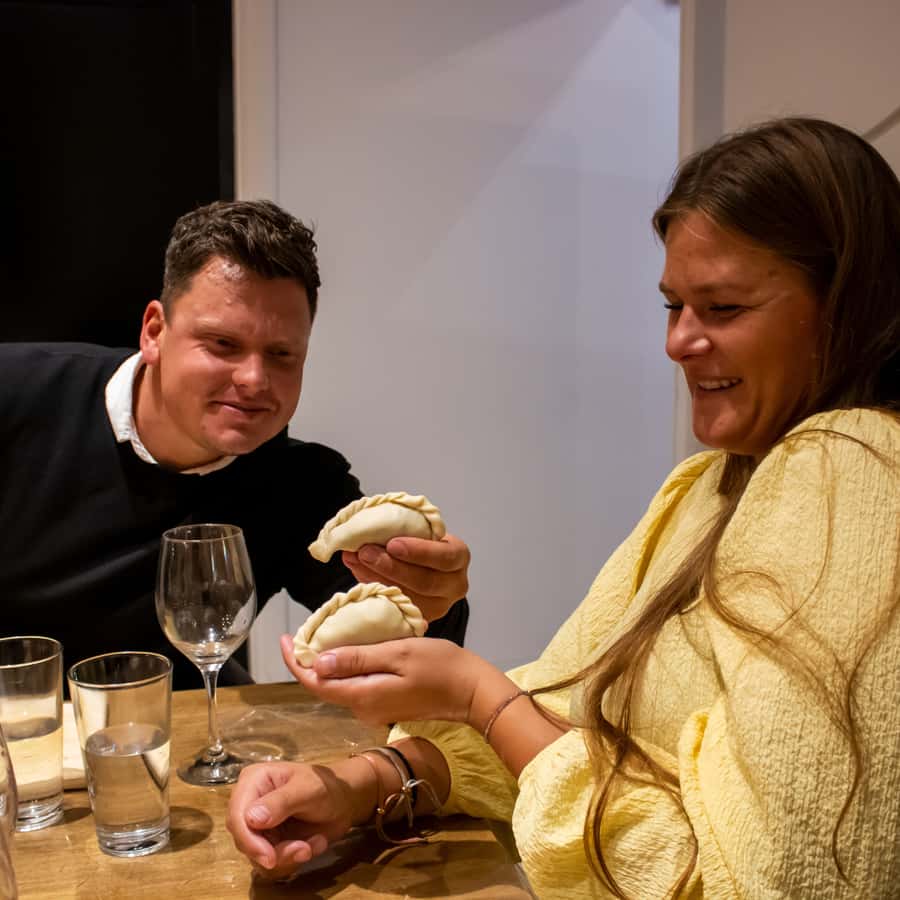
Argentina puts a lot of its character into two small foods: the folded empanada and the dulce de leche alfajor. This 150-minute Palermo cooking class lets you make both, rather than simply ordering them from a café. You shape the dough, prepare the fillings, fold the empanadas, and assemble the sweet cookies.
I like the fully hands-on format and the easy cultural conversation that comes with mate tea. I also like the family appeal: children can take part, and the instructors, including Carolina, Tomas, Catalina, and Paulina, are praised for patient, clear teaching. The main consideration is that some parts may be demonstrated instead of actively cooked by every person, especially in a family group.
Key points
- Two Argentine staples in one class: Make savory empanadas and dulce de leche alfajores during one compact lesson.
- Meat or vegan filling: You can choose a vegan empanada option, useful for mixed groups.
- Guides who teach, not just host: Carolina, Tomas, Catalina, Paulina, Lourdes, Layla, and other local instructors have led sessions in several languages.
- Mate tea and cultural context: Learn about the ingredients and customs behind the food while you cook.
- A meal at the end: You eat the empanadas and alfajores you prepare, with some sessions also including wine.
- Simple Palermo meeting point: Meet at Gorriti 4882 or 4886 in Palermo, with the exact address worth confirming before you leave.
Why empanadas and alfajores make a smart Buenos Aires lesson
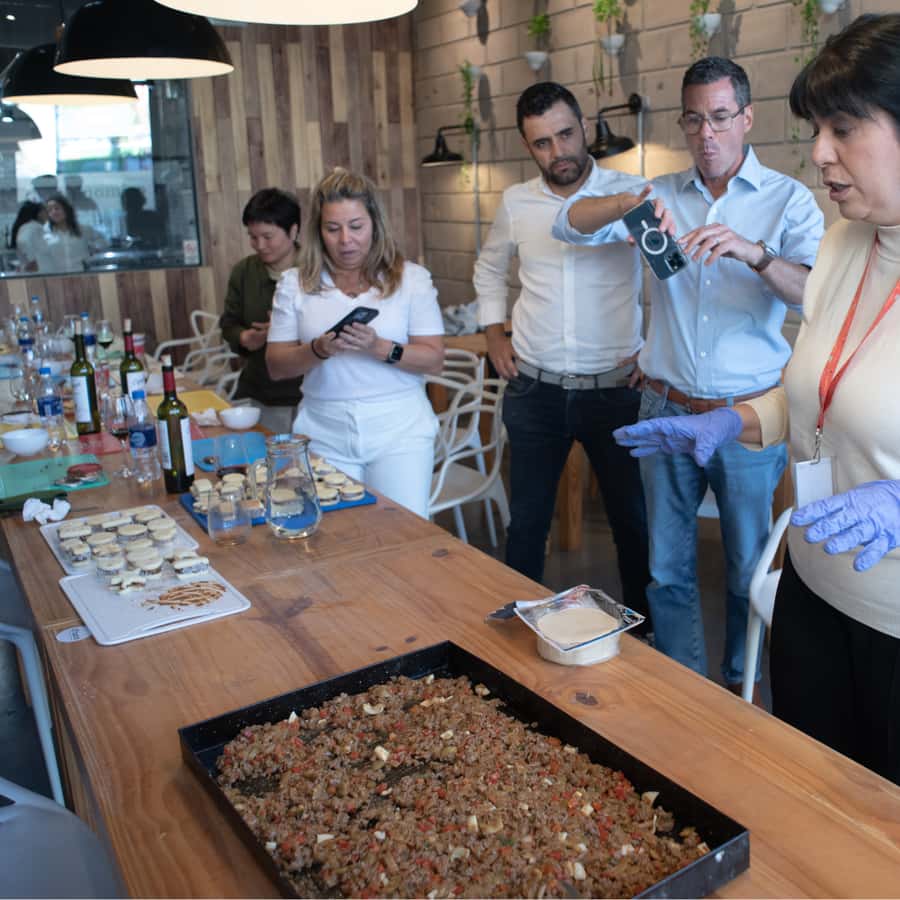
You could spend an afternoon eating Argentine food without learning much about it. This class gives you a useful middle ground: it is social and relaxed, but you still come away with recipes and techniques you can use at home.
Empanadas are among Argentina’s best-known foods, yet they are not one single recipe. Fillings and folding styles vary, and the folding itself takes practice. Here, you prepare your own empanadas and learn the basic steps from an instructor who can guide your hands rather than simply describe the process.
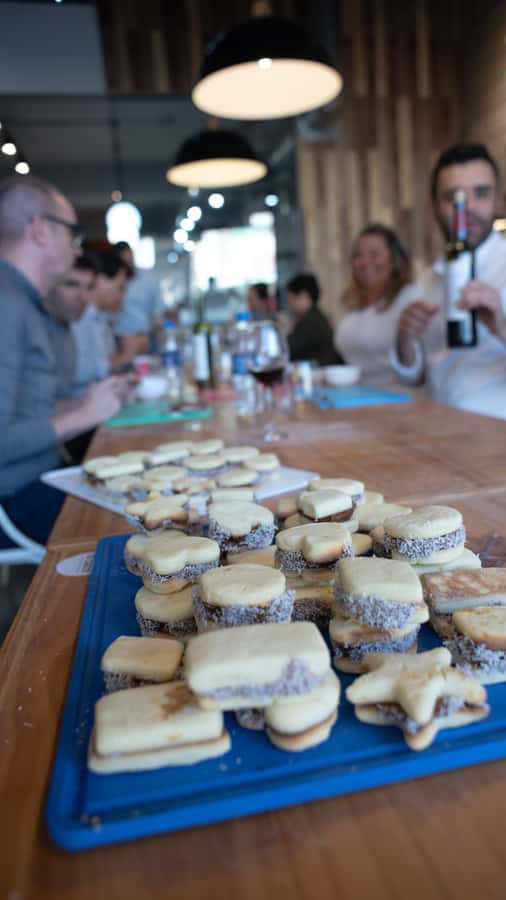
Alfajores bring the sweet side of Argentina to the table. These cookies are filled with creamy dulce de leche, the thick caramel-like milk spread found throughout the country. You mix, bake, and assemble them, so the lesson covers more than opening a packet and adding filling.
That pairing works well. The empanadas give you a savory cooking project with choices, while the alfajores offer a more precise baking task. You also get a better sense of how ordinary Argentine ingredients become foods that are central to everyday eating and social life.
more Buenos Aires days to weigh up
- Buenos Aires: Empanadas and Alfajores Guided Cooking Class
★ 4.8 · 486 reviews - BA: Empanadas and Alfajores Cooking Experience in Palermo
★ 5.0 · 112 reviews - Argentinian Empanadas Cooking Experience in Palermo, Bs As
★ 4.8 · 50 reviews
Arriving in Palermo for the 150-minute class
The meeting point is on Gorriti in Palermo, at an address listed as either Gorriti 4882 or Gorriti 4886. Those numbers are close, but I would check the final confirmation carefully before setting out. The class does not include hotel pickup or drop-off, so you arrange your own way to Palermo.
The lesson lasts about two and a half hours. That is long enough for actual preparation, baking, eating, and conversation without taking an entire day from your Buenos Aires plans. A morning session can fit neatly before lunch, while an afternoon class gives you a break from sightseeing.
The setting is described as a friendly cooking venue, and one past session took place in a host’s home. Since the exact format can depend on the scheduled instructor, you should expect a personal, cooking-centered setting rather than a formal restaurant demonstration.
The class runs in rain or shine. That makes it a useful backup for a wet day, and an easy way to add structure to your Palermo plans. You do not need to worry about weather disrupting the cooking itself.
Starting with Argentine empanadas
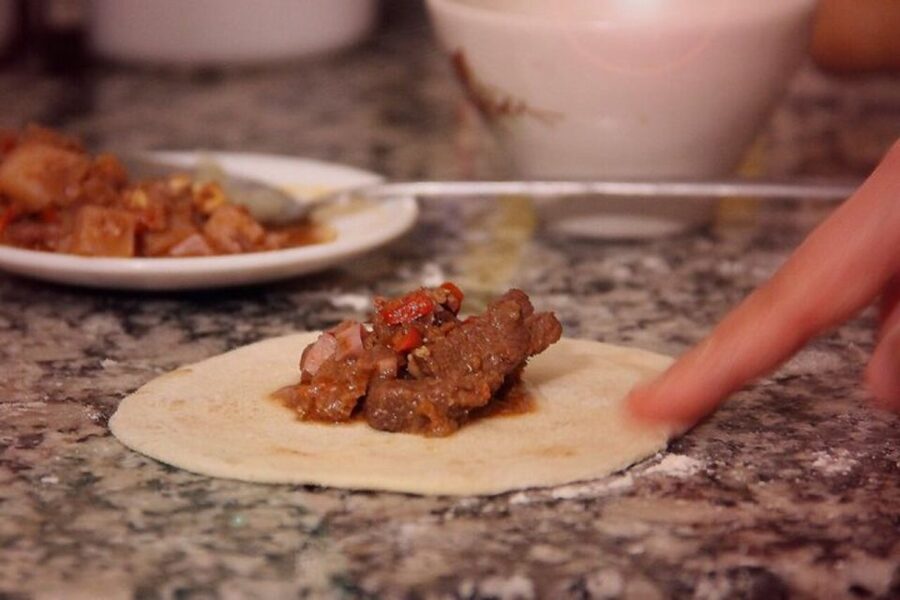
The savory portion comes first. Your guide introduces the ingredients and shows you how Argentine empanadas are prepared. You then make your own, with a meat filling or a vegan alternative.
The vegan option is an important practical detail. It means a group does not need to split up because one person avoids meat. If you have other dietary needs, ask ahead, since the information specifically confirms meat and vegan choices but does not list every possible adaptation.
One of the most useful parts is the contrast between packaged empanada dough and freshly made dough. Comparing the two helps you understand what changes in texture and handling. It is also a good lesson for home cooking, where you may want the convenience of prepared dough one night and the satisfaction of making it yourself another time.
Folding the empanadas is not as effortless as it looks. The guide takes you through the shapes and helps you correct the edges. This small task gives the class its most distinctly Argentine feel, because you are learning a recognizable food skill rather than just stirring a mixture.
The instructors are repeatedly described as patient and clear. Tomas is noted for giving detailed instructions and useful cooking tips, while Carolina is praised for explaining each step and keeping the group involved. Catalina is also described as especially good at guiding people through the folding process.
Do not expect every minute to involve every participant chopping or mixing. One family group enjoyed the class but would have preferred more active cooking for more people during certain sections. That is a fair point. Some preparation must be shown by the teacher, and younger children may need to share tasks.
Still, the format suits families because the work is broken into manageable stages. Children can take part in shaping dough and folding empanadas, while adults can focus on ingredients and technique. The class has been enjoyed by groups ranging from young children to adults.
Making dulce de leche alfajores from scratch
After the empanadas, you turn to alfajores. These are not simply cookies served alongside coffee. You mix the dough, bake the cookies, and sandwich them with dulce de leche.
The process gives you a clear sense of the dessert’s structure. You learn how the cookie base is made, how the filling is added, and how the finished alfajor comes together. The result is sweet, soft, and easy to remember, which is why the recipe is a practical souvenir from the class.
Several people who took the lesson planned to make alfajores at home. One person even taught the recipe to a parent after returning from Buenos Aires. That tells you something useful about the difficulty level: the class aims to make the techniques accessible, not mysterious.
The alfajores are also a strong reason to choose this experience over an empanada-only class. You get both a savory dish and a dessert, and you eat what you prepare. At the end, you are not left with a tasting spoonful. The food is substantial enough to function as a light meal, and some sessions have included extra food to take away.
Completely different, still leaving from Buenos Aires:
- Buenos Aires Hop-On Hop-Off Bus, Free Walking Tours & Discounts
★ 4.5 · 2,218 reviews - Buenos Aires: Piazzolla Tango Show with Optional Dinner
★ 4.4 · 2,122 reviews - Buenos Aires: City Highlights Guided Tour with Transfer
★ 4.7 · 1,946 reviews - Buenos Aires: Hop-On Hop-Off City Bus Tour
★ 4.2 · 1,855 reviews
Mate tea and the social side of Argentine food
Mate tea adds the cultural layer. The class includes local mate and conversation about Argentine customs and ingredients. You are not only learning how to cook, but also getting an introduction to a drink that plays an important role in social life.
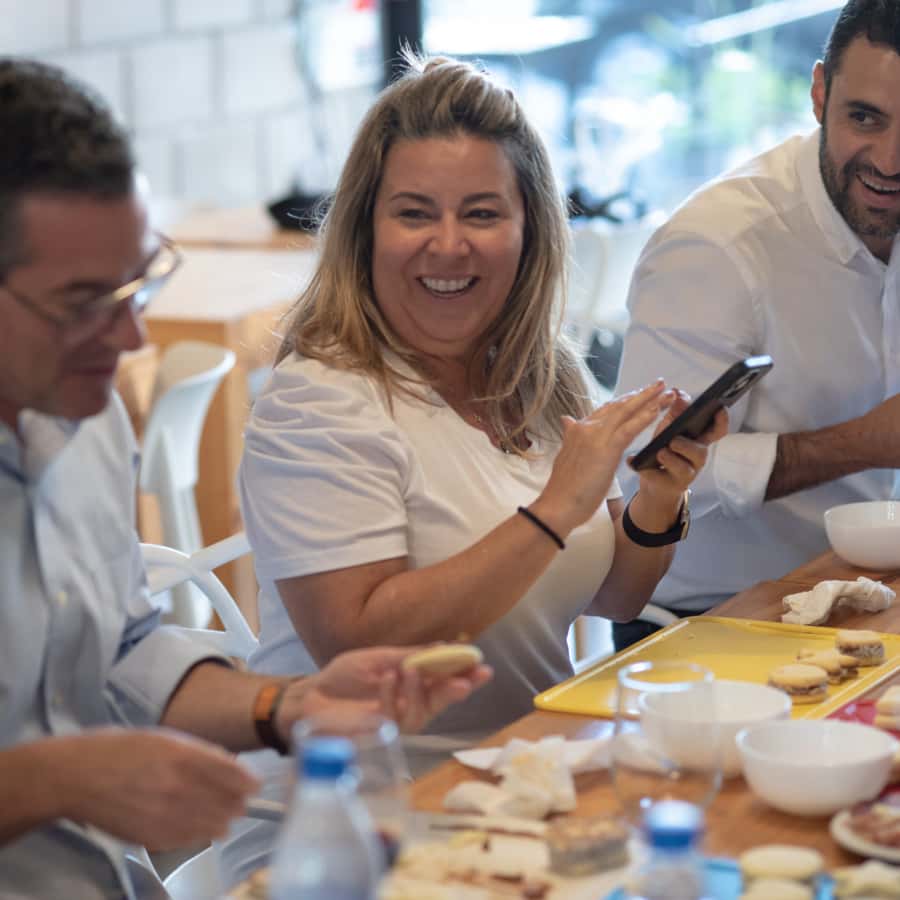
The tone is informal. Guides such as Paulina and Catalina have been praised for making the class feel like time spent with a friendly local rather than a rigid school lesson. That matters in a cooking class, where conversation can make the difference between following instructions and understanding why a dish matters.
Some sessions also include wine. The listed inclusions confirm mate tea, ingredients, and the local instructor, while wine is an extra reported feature of some classes rather than something I would treat as guaranteed. If wine matters to your decision, check the details for your chosen date.
The social setting is especially useful for solo visitors and couples. You can meet people from other countries while working toward the same meal. For families, it provides a shared activity that feels more connected than simply taking children to another restaurant.
Eating what you made
The reward comes at the table. You eat the empanadas and alfajores prepared during the lesson, and the guide helps keep the meal moving from kitchen work to conversation.
This final part should not be treated as an afterthought. Eating the finished dishes helps you judge the dough, filling, folding, and baking in a way that a quick sample cannot. You can also ask questions while the steps are still fresh in your mind.
Past sessions have been generous with portions. Some groups found they made more than enough food, and one host packed leftovers to take away. Exact portions and leftovers can vary with the group and instructor, so I would plan on a satisfying meal but not count on a takeaway box.
The meal also gives the class a natural finish. You have spent time making the food, then sit down to enjoy it. That simple rhythm is part of the appeal: the lesson does not feel like a cooking lecture followed by a rushed tasting.
The guides make a real difference
The experience is delivered by local guides in English, Spanish, and Portuguese. The individual instructor can vary, and names connected with past sessions include Carolina, Tomas, Catalina, Paulina, Lourdes, Layla, Nyla, and Graziela.
Carolina is praised for making the steps clear and keeping the group involved. Tomas receives strong marks for detailed explanations and cooking tips. Catalina is described as warm and patient, particularly when teaching the empanada folds.
Paulina has also hosted the experience in a home setting, sharing recipes and Argentine culture in a personal way. Layla is noted for dividing the work so that the class did not feel overwhelming, while Lourdes is praised for patience and a welcoming manner.
That range of names matters because the personality of a cooking class shapes the whole afternoon. You are not booking a silent lesson with an anonymous demonstrator. You are booking time with a local instructor whose teaching style helps set the pace.
The one practical caution is that instructor assignments can change. I would not book solely because you hope for one particular guide. Choose the experience for its format, then enjoy the local personality you get on the day.
Is the $49 price good value?
At $49 per person, the class is reasonably priced for a two-and-a-half-hour activity that includes the ingredients for two dishes, mate tea, instruction, and the meal you prepare.
I would compare it with the cost of a normal restaurant meal in Buenos Aires, but that is not the whole calculation. You are also paying for a local guide, kitchen time, cultural explanation, and recipes you can repeat at home. If you want a souvenir that is more useful than another photograph, the value improves.
The strongest value comes for families and people who enjoy participation. If you only want to taste empanadas and alfajores, a café or food tour may cost less and require less time. This class earns its price through the making, not just the eating.
It is also a practical choice for a rainy afternoon because the activity runs in all weather. With free cancellation up to 24 hours before the start and a reserve-now, pay-later option, you can keep your plans flexible. Those terms are helpful, but check the booking conditions attached to your date before relying on them.
Who will enjoy this Palermo cooking class?
I would recommend it most strongly to:
- Families with children who can follow simple cooking tasks
- Couples looking for a shared Buenos Aires activity
- Solo visitors who enjoy meeting people around food
- Home cooks who want recipes they can repeat
- Anyone interested in Argentine food beyond steak and wine
- Visitors with mixed diets, thanks to the vegan empanada option
It is less suitable if you want a quiet, private meal or a polished restaurant service. It is also not the best fit if you dislike group participation or would rather spend the afternoon sightseeing.
The class is wheelchair accessible, which makes it available to more visitors, though the booking provider is the right place to confirm any personal access requirements. Since pickup is not included, you also need to arrange your own transport to Palermo.
What to know before you book
Confirm the meeting address. The information gives Gorriti 4882 in one place and Gorriti 4886 in another, both in Palermo. Since they are only a few doors apart, this should be easy to resolve, but it is worth avoiding a last-minute search.
Allow the full 150 minutes. The class includes preparation, cooking, baking, eating, and cultural conversation. It is not a quick demonstration that you can squeeze between two tightly timed attractions.
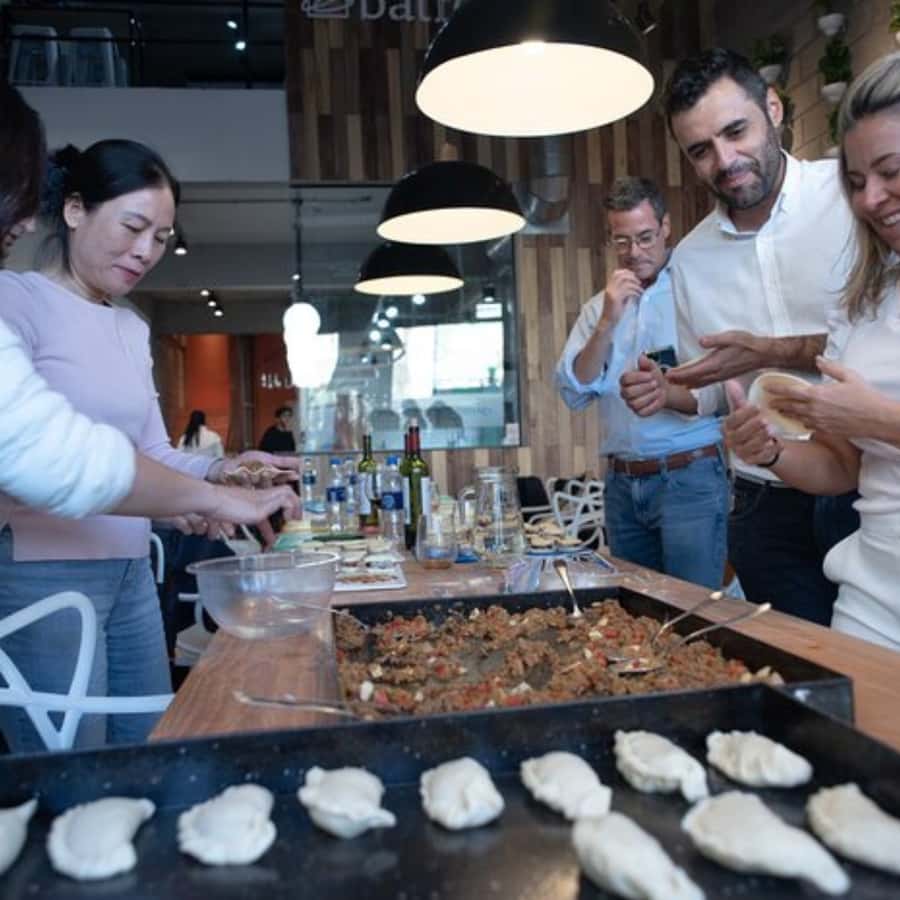
Come ready to participate. You may roll dough, fill empanadas, fold edges, mix alfajor dough, and assemble the cookies. In a larger or family group, some tasks may be shown rather than performed by every person.
The class is offered in English, Spanish, and Portuguese. If language comfort is important, select the appropriate option when booking. Also remember that hotel transportation is not included.
Should you book it?
Book this class if you want to do something with Argentine food, not just eat it. The combination of empanadas, alfajores, mate tea, local stories, and a shared meal gives you a compact introduction to everyday culinary culture in Buenos Aires.
I would especially choose it for a family day, a rainy afternoon, or the first few days of a Buenos Aires visit, when you are still learning what belongs on the local table. Skip it only if you want a purely passive food experience or if your schedule cannot spare two and a half hours.
At $49, the class offers good value for hands-on cooking, a substantial tasting, and recipes you can carry home. Check the meeting address and dietary details, then bring an appetite and a willingness to fold a few imperfect empanadas before getting the technique right.
FAQ
Where does the cooking class meet?
The meeting point is on Gorriti in Palermo, Buenos Aires. The information gives Gorriti 4882 and Gorriti 4886, so confirm the exact number in your booking details.
How long does the experience last?
The cooking class lasts 150 minutes, or two and a half hours.
How much does the class cost?
The listed price is $49 per person.
What foods will I make?
You will make Argentine empanadas and dulce de leche alfajores.
Is there a vegan option?
Yes. A vegan empanada option is available. The information does not specify vegan substitutions for the alfajores.
Is mate tea included?
Yes. Local mate tea is included with the experience.
Are hotel transfers included?
No. Hotel pickup and drop-off are not included.
Which languages are available?
The live guide is available in English, Spanish, and Portuguese.
Can I cancel the booking?
You can cancel up to 24 hours in advance for a full refund. A reserve-now, pay-later option is also available.
Recently added in Buenos Aires
- Buenos Aires: Private City Tour by Car with Hotel or Pickup★ 5.0 · 3 reviews
- Guided tour Boca Juniors Museum & Stadium + Caminito★ 3.3 · 3 reviews
- Buenos Aires: Montserrat, San Telmo, La Boca, and Puerto …★ 5.0 · 3 reviews
- Buenos Aires: MALBA Museo de Arte Latinoamericano Tour★ 4.1 · 3 reviews
- Unique Tigre and Delta Private Day Cruise Navegation★ 5.0 · 3 reviews
- Tango Show at: MichelAngelo★ 4.5 · 3 reviews
- Buenos Aires: Mate Workshop y Otras Yerbas★ 5.0 · 3 reviews
- From Colonialism to Eclecticism, Buenos Aires arquitectonica★ 5.0 · 3 reviews
Buenos Aires Tours, compared.
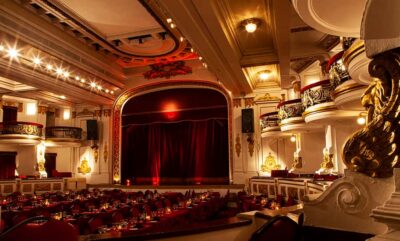
Buenos Aires: Piazzolla Tango Show with Optional Dinner
Read our review →
Buenos Aires: City Highlights Guided Tour with Transfer
Read our review →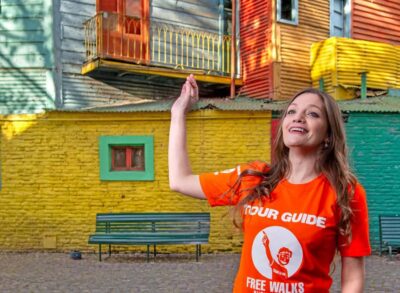
Buenos Aires: La Boca Guided Walking Tour in English
Read our review →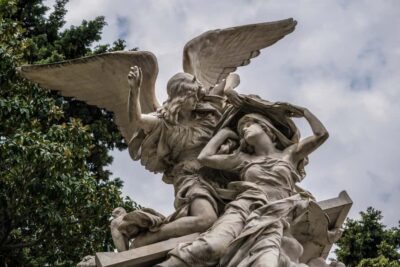
Buenos Aires: La Recoleta Cemetery Guided Tour in English
Read our review →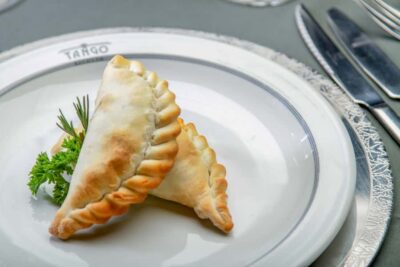
Buenos Aires: Tango Show at Tango Porteño & Optional Dinner
Read our review →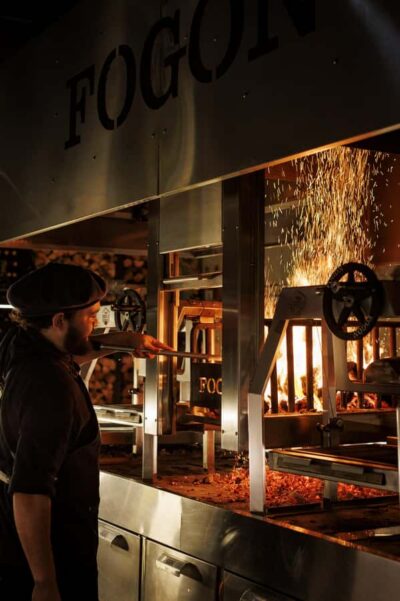
Buenos Aires: 9-Course Argentine Meat Tasting at Fogón Asado
Read our review →

Buenos Aires: Madero Tango Show with Optional Dinner
Read our review →Browse the lists this tour appears in