
Reviewed · BUENOS AIRES TOURS
Buenos Aires: Empanadas and Alfajores Guided Cooking Class
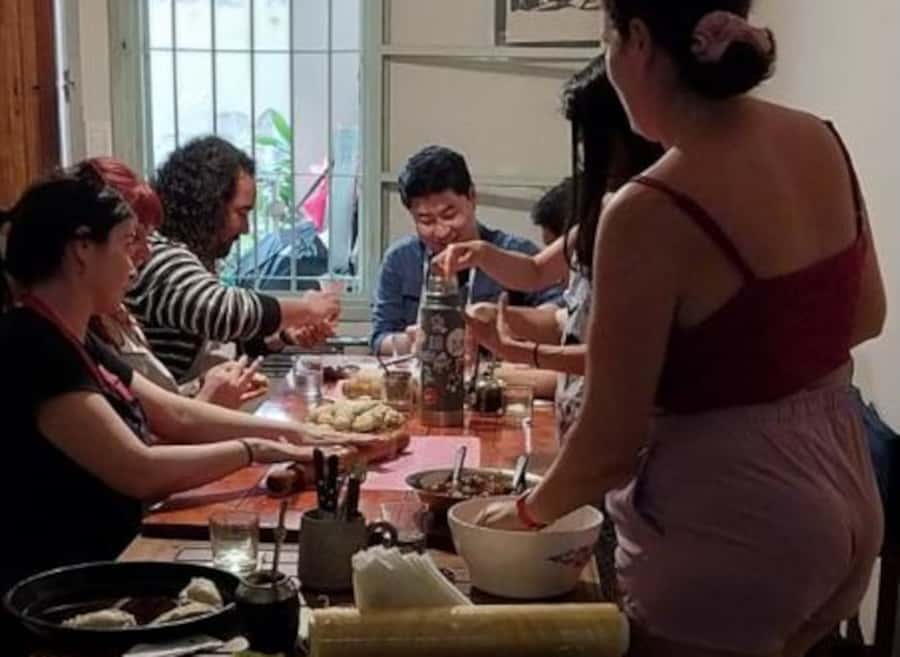
Buenos Aires food culture makes the most sense around a kitchen table, and this three-hour class puts you in one. At a real Argentine home in San Telmo, you make empanadas, learn the mate ritual, bake alfajores, and eat what you have prepared.
I like the small group of eight because everyone gets a turn with the dough and the repulgue, the twisted seal that gives an empanada its Argentine look. I also like the warm, social format: hosts such as Thomas and Sophia explain food, customs, and Buenos Aires life while people from different countries cook together.
The main drawback is that the class may focus on repeating one meat filling rather than making several varieties. A few practical details can also matter: participants have occasionally found parts of the demonstration hard to see from the end of the table, and you should make sure you receive the recipes before leaving.
Key points at a glance
- A real home in San Telmo: You cook in an Argentine household rather than a restaurant classroom.
- Three classic tastes: Make savory empanadas, dulce de leche alfajores, and traditional mate.
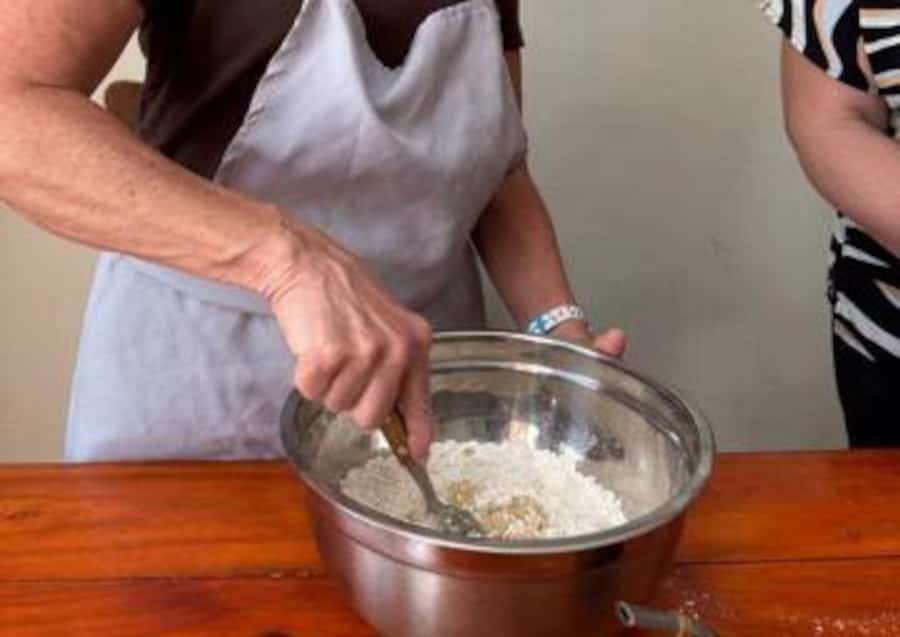
- Hands-on from dough to dinner: You prepare doughs and fillings, shape the pastries, and eat the finished food.
- A small, international table: The group is limited to eight, which leaves room for conversation and individual help.
- English or Portuguese instruction: Hosts including Thomas and Sophia have led sessions in both languages.
- A strong meal for $37: Ingredients, mate, water, and the food you prepare are included. Wine costs extra.
Arriving at the San Telmo home
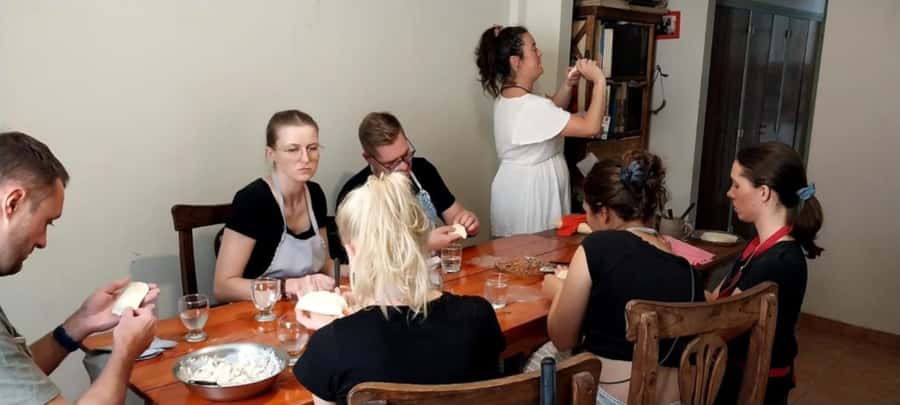
The class meets at Paseo Colon 1355 in San Telmo. Go at the stated starting time and ring the bell. This is not a street-food walk or a polished cooking school with a commercial front door. You are entering a local home, which is a big part of the appeal.
The setting gives the evening a personal feel right away. Past participants describe a cozy house, including one more than 100 years old, with family members helping to teach, serve, and keep the table in order. The exact host team can vary, but Thomas, Sophia or Sophie, Maria, and Stella are names associated with recent sessions.
That variation is worth keeping in mind. You are booking the format and the food experience, not a guaranteed individual instructor. The useful constant is the household setting, the small group, and instruction in English or Portuguese.
San Telmo is a natural neighborhood for this sort of activity. You do not need a grand explanation to understand why. The class lets you see a side of Buenos Aires that a restaurant meal cannot provide: how food is prepared, shared, and explained inside a home.
more Buenos Aires days to weigh up
- Buenos Aires: Empanada & Alfajor Cooking Lesson in Palermo
★ 4.6 · 186 reviews - BA: Empanadas and Alfajores Cooking Experience in Palermo
★ 5.0 · 112 reviews - Argentinian Empanadas Cooking Experience in Palermo, Bs As
★ 4.8 · 50 reviews
Making empanadas, from filling to repulgue
Empanadas are the main event. In Argentina, they are everyday food, suitable for a quick meal, a family gathering, or a late snack. The basic idea is simple: dough folded around a filling, then baked or fried. The skill lies in getting the dough, filling, and seal right.
You work through the process step by step. That includes preparing the dough, handling the filling, placing the mixture neatly, and closing each pastry with a repulgue. The repulgue is the twisted edge that seals the empanada and gives it a distinctive finish.
Do not worry if your first one looks more like a folded pocket than a bakery specimen. The point is to learn the hand movement and understand how tightly the edge must close. You will get a more useful lesson by shaping the empanadas yourself than by watching a chef do every one.
The class includes meat and vegetarian options, according to the supplied details and participant experiences. That makes it workable for mixed groups, though you should clarify your dietary needs when booking if they are important to you. One small limitation is that the filling selection may not always be broad. Some sessions have repeated the same meat filling instead of offering a second choice such as cheese.
That is not a dealbreaker at this price, but it affects what you should expect. This is a lesson in making Argentine empanadas, not a full survey of regional styles or a tasting menu of six fillings.
Mate is more than a cup of tea
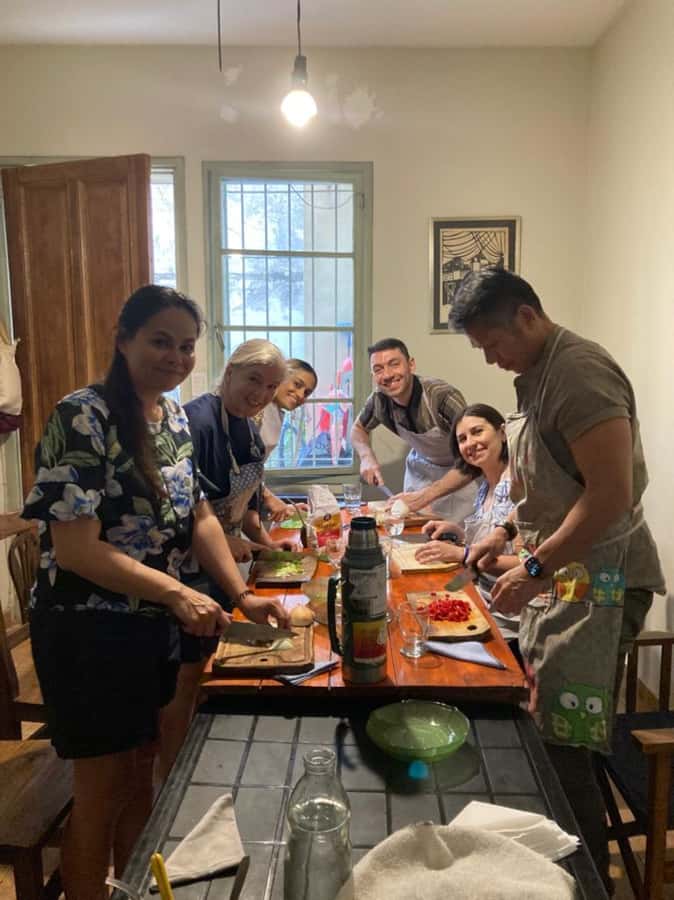
The mate portion adds something that many cooking classes skip. You learn the traditional method of preparing and drinking mate, the herbal infusion central to Argentine social life.
The class presents mate as a ritual, not just a beverage. You prepare it in the traditional style and share it while the cooking gets under way. This creates a natural pause between tasks and gives the hosts a chance to explain customs and daily life.
I like this part because it connects the dishes to a broader food culture. You are not only learning how to fold dough. You are seeing how conversation, hospitality, and a shared drink fit around the meal.
The information provided does not promise a detailed history lecture or a full tasting of different herbs. Expect an introduction to the traditional preparation and drinking method, along with conversation about Argentina. That is enough to make the mate feel connected to the rest of the evening rather than tacked on as a novelty.
Alfajores bring the sweet finish
After the savory work, you prepare alfajores. These beloved Argentine cookies are made here with corn starch and a creamy dulce de leche filling.
The texture is part of the lesson. Corn starch gives the cookies a delicate, crumbly quality, while dulce de leche provides the rich center. You prepare the cookie dough, form the pieces, and assemble the finished pastries before eating them as dessert.
This is a smart pairing with empanadas. The savory pastry teaches shaping and sealing, while the alfajores show a different side of Argentine baking. You leave with two recipes that feel distinct and useful at home.
The portions appear generous. Several accounts describe plenty of food, and some participants had empanadas left over to take away. Still, you should not assume leftovers are guaranteed, since the amount will depend on the group and how much everyone eats during the meal.
Completely different, still leaving from Buenos Aires:
- Buenos Aires Hop-On Hop-Off Bus, Free Walking Tours & Discounts
★ 4.5 · 2,218 reviews - Buenos Aires: Piazzolla Tango Show with Optional Dinner
★ 4.4 · 2,122 reviews - Buenos Aires: City Highlights Guided Tour with Transfer
★ 4.7 · 1,946 reviews - Buenos Aires: Hop-On Hop-Off City Bus Tour
★ 4.2 · 1,855 reviews
The meal is part of the lesson
The class does not end when the cooking is finished. You sit down and eat the empanadas and alfajores you made, with mate and water included. Wine is available to buy if you want it, but it is not part of the $37 price.
This matters when judging value. A cooking class can feel expensive if you pay for a demonstration and then still need dinner. Here, the food you prepare becomes the meal, so the price covers both instruction and a substantial evening of eating.
The meal also gives the class its social center. You share a table with a maximum of eight participants, often strangers from several countries. The conversation is not an optional extra. It is built into the experience, with the hosts joining in and answering questions about Argentine food and culture.
That social format suits you if you like meeting people while learning. It may suit families too. Families with teenagers and younger children have taken part, and children can handle the hands-on work with adult help. The class is not limited to experienced cooks.
There are a few small table comforts to expect rather than assume. One participant would have preferred small plates instead of napkins for eating. Another found it difficult to see parts of the demonstration from the end of the table. These are minor issues, but sitting where you can see the work surface will improve the experience.
What the teaching is like
The hosts aim for a friendly, informal style. Thomas has been praised for being capable and professional without making the session feel like school. Sophia has been described as passionate about Buenos Aires, its traditions, and the food. Other host teams bring the same household approach, with family members sharing the work.
The teaching is generally easy to follow, but the pace may favor people who are comfortable in a kitchen. One participant felt that instructions could have been clearer for less experienced cooks. If you rarely cook, ask questions early and watch the dough and sealing demonstrations closely.
The best part of a small group is that you can get direct help. Eight people is still enough for lively conversation, but not so many that you are simply watching from the back. Even so, the table layout can affect how well you see. If a demonstration begins at the center, move closer when invited or ask the host to repeat a step.
Recipe follow-up deserves attention. Recipes are intended to be shared after the class, and some participants used them at home. But the handoff has not always been straightforward. In a few cases, people had to follow the host on Instagram and ask for the recipes. Before you leave, confirm exactly how you will receive them.
Is $37 good value?
At $37 per person, this is good value if you want an activity that replaces dinner and adds personal contact with local hosts. Ingredients, cooking instruction, mate, water, and the meal are included. Only wine is extra.
The value is strongest for people who care about the setting and the interaction. You are paying for access to a home, practical instruction, cultural explanation, and a meal around a shared table. A restaurant could serve you empanadas and alfajores, but it would not teach you how to make the dough or perform the repulgue.
The value is less clear if your main goal is advanced culinary training. You may not make several empanada fillings, and the instructions can feel less detailed for a complete beginner. This is a friendly cultural workshop, not a professional pastry course.
It is also a good rainy-day or evening choice because the activity is contained indoors and lasts three hours. Check the available starting times when booking, since the exact schedule is not fixed in the supplied details.
Who should book this class?
I would recommend it to couples, solo participants, families, and small groups of friends who want more than a restaurant meal. It works particularly well if you enjoy learning by doing and like the idea of meeting people around a table.
It is a good fit for a teenager or older child who can follow kitchen instructions. Families have found that children can take part in shaping and preparing the food, then enjoy the result. The small group helps keep the activity personal.
Vegetarians have a workable option because vegetarian fillings are available alongside a classic meat filling. If you have allergies, strict dietary rules, or mobility concerns, ask for confirmation before booking. The activity is listed as wheelchair accessible, but the class takes place in a private home, so practical access details are worth checking directly.
You may want to skip it if you dislike group activities, do not want to eat a meal you have helped prepare, or prefer a formal school with written recipes handed over automatically. You should also know that the class is conducted in English or Portuguese, not Spanish-only instruction.
Simple ways to get more from the evening
Arrive ready to work, not just watch. The fun comes from touching the dough, trying the filling, and making your own repulgue, even if the first few are uneven.
Ask where to stand or sit before the demonstrations begin. If you are at the far end of the table, some hand movements may be hard to see. A quick request for a closer look is sensible.
Keep space for food afterward. The class includes a meal and may produce more than you expect, especially if not everyone eats every empanada.
Finally, confirm the recipe delivery before saying goodbye. That small step matters if your goal is to recreate the alfajores and empanadas at home.
Should you book it?
Book this class if you want Argentine food, local conversation, and a relaxed home setting in one evening. The combination of empanadas, alfajores, mate, and a small table makes the $37 price easy to justify, especially since you eat the meal you prepare.
I would not choose it for a precise, highly technical cooking course or for a broad tasting of many empanada fillings. For an authentic-feeling introduction to everyday Argentine food, though, it is a strong choice. Bring curiosity, ask for the recipes, and accept that your repulgue may have its own personality.
FAQ
Where does the cooking class meet?
Meet at Paseo Colon 1355 in San Telmo, Buenos Aires, at the class starting time. Ring the bell when you arrive.
How long does the activity last?
The cooking class lasts three hours.
How much does it cost?
The listed price is $37 per person.
What foods will I prepare?
You will prepare Argentine empanadas with savory fillings and alfajores made with corn starch and dulce de leche.
Will I learn how to make mate?
Yes. The class includes an introduction to the traditional method of preparing and drinking mate, Argentina’s herbal drink.
Is a meal included?
Yes. You eat the empanadas and alfajores prepared during the class. Mate and water are also included.
Is wine included?
No. Wine is available for purchase but is not included in the price.
What languages are spoken?
Instruction is available in English and Portuguese.
How large is the group?
The class is a small-group activity limited to eight participants.
Is the class wheelchair accessible?
Yes. The activity is listed as wheelchair accessible. Since it takes place in a private home, you may still want to confirm any specific access needs before booking.
Recently added in Buenos Aires
- Buenos Aires: Private City Tour by Car with Hotel or Pickup★ 5.0 · 3 reviews
- Guided tour Boca Juniors Museum & Stadium + Caminito★ 3.3 · 3 reviews
- Buenos Aires: Montserrat, San Telmo, La Boca, and Puerto …★ 5.0 · 3 reviews
- Buenos Aires: MALBA Museo de Arte Latinoamericano Tour★ 4.1 · 3 reviews
- Unique Tigre and Delta Private Day Cruise Navegation★ 5.0 · 3 reviews
- Tango Show at: MichelAngelo★ 4.5 · 3 reviews
- Buenos Aires: Mate Workshop y Otras Yerbas★ 5.0 · 3 reviews
- From Colonialism to Eclecticism, Buenos Aires arquitectonica★ 5.0 · 3 reviews
Buenos Aires Tours, compared.
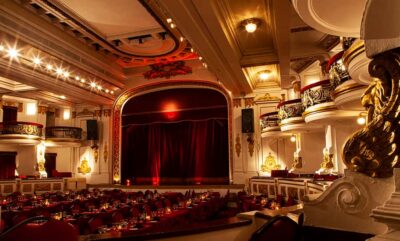
Buenos Aires: Piazzolla Tango Show with Optional Dinner
Read our review →
Buenos Aires: City Highlights Guided Tour with Transfer
Read our review →
Buenos Aires: La Boca Guided Walking Tour in English
Read our review →
Buenos Aires: La Recoleta Cemetery Guided Tour in English
Read our review →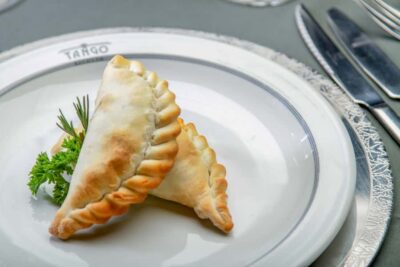
Buenos Aires: Tango Show at Tango Porteño & Optional Dinner
Read our review →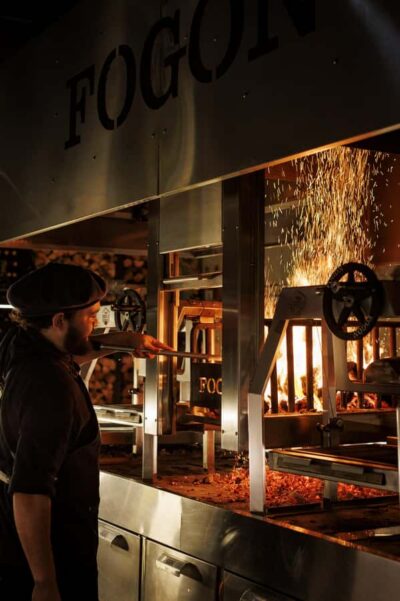
Buenos Aires: 9-Course Argentine Meat Tasting at Fogón Asado
Read our review →

Buenos Aires: Madero Tango Show with Optional Dinner
Read our review →Browse the lists this tour appears in