
Reviewed · BUENOS AIRES TOURS
BA: Empanadas and Alfajores Cooking Experience in Palermo
Argentina’s food culture comes into focus at the kitchen table, where you learn why empanadas are folded and shaped differently by filling, then make alfajores with dulce de leche. I especially like the small group of up to 10, which gives you a real chance to work and ask questions, and the recipes sent afterward, a useful souvenir for home cooks. The main consideration is that the amount of hands-on cooking can vary, and some sessions include more watching or prepared ingredients than others.
I also like the family-friendly pace. Children can take part, shape alfajadas in creative ways, and try unfamiliar flavors, while adults get mate, wine in some sessions, and stories about Argentine traditions. Still, this is a short introductory class rather than a serious chef course, and families should expect children to need help with chopping and sharp knives.
Key points at a glance

- Argentine classics: Prepare empanadas and dulce de leche alfajores, two of the country’s most familiar foods.
- Meat or vegan filling: You can choose a traditional meat option or a lentil-based vegan alternative.
- Local hosts: Sessions may be led by hosts such as Tomas, Thomas, Carolina, Catalina, or Chef Valentino.
- Family-friendly format: Children aged 10 and 13 have especially enjoyed the class, though adults must supervise knife work.
- Small-group setting: With a maximum of 10 people, the class is social without feeling like a large demonstration.
- Useful takeaway: Recipes are shared after the class, so you can repeat the dishes at home.
Why Palermo is a good place to learn Argentine food
The class takes place at Gorriti 4882 in Palermo, a neighborhood that works well for a food-focused afternoon. You arrive at a local venue, meet your host, and spend about two and a half hours cooking and eating in the same place. There is no transport included, but the meeting point is near public transportation.
I like this setup because it keeps the experience simple. You are not rushed between several stops, and the food remains the focus. The setting also makes conversation easy, both with the host and with the other people at your table. Several sessions have included solo visitors, couples, and families, so you do not need to arrive with a large group of your own.
The address is worth checking carefully before you set out. Palermo is easy to reach by public transport, but Buenos Aires addresses can be confusing when you are moving around a new neighborhood. Plan to arrive with enough time to find Gorriti 4882 rather than cutting it close.
more Buenos Aires days to weigh up
- Buenos Aires: Empanadas and Alfajores Guided Cooking Class
★ 4.8 · 486 reviews - Buenos Aires: Empanada & Alfajor Cooking Lesson in Palermo
★ 4.6 · 186 reviews - Argentinian Empanadas Cooking Experience in Palermo, Bs As
★ 4.8 · 50 reviews
Starting with empanadas, Argentina’s everyday comfort food

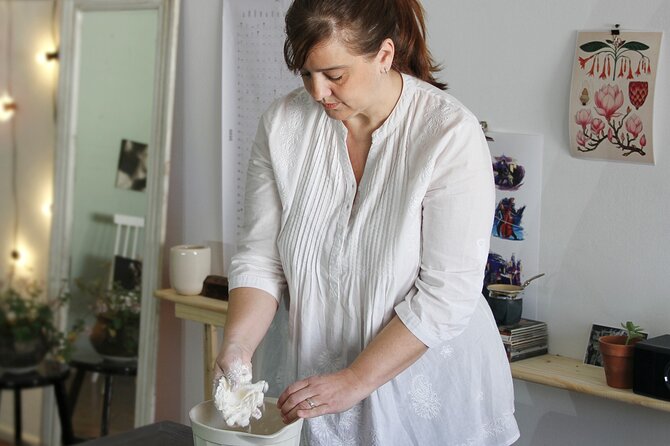
Empanadas are the heart of the class. Your host first explains how to prepare the filling, which may include meat or a vegan lentil option. Depending on the session, you might chop vegetables and meat, cook the filling briefly on the stovetop, roll dough, and stuff the pastries. Some preparation may already be done before you arrive, so the class is designed for participation and learning, not a full professional kitchen shift.
The folding lesson is one of the most useful parts. An empanada is not simply filled, pinched shut, and baked. The shape and folded edge can help identify its filling, and the hosts explain some of these local habits. You may also learn different folding styles and recipe variations, rather than leaving with only one fixed formula.
That small detail gives the dish cultural meaning. You can find an empanada recipe online in seconds, but it is harder to understand the little signals that come from family cooking. The stories about learning at a grandmother’s kitchen table, including the playful custom of whistling while working so nobody sneaks bites of filling, make the food feel connected to ordinary Argentine life.
The class suits beginners. You do not need to know how to crimp pastry, and the hosts are there to show you the motions step by step. Chef Valentino has been praised for his patience and encouragement, while Tomas has been singled out for clear instruction and helpful explanations. Names and hosts can vary by date, so do not book expecting one particular chef unless the provider confirms it.
Choosing between meat and vegan empanadas
The meat option gives you a traditional introduction to the dish, while the vegan lentil filling means plant-based diners are not left with a side dish or a token substitute. That choice is a real benefit for mixed groups, especially families or friends with different diets.
You should state your preference when booking or before the class begins. The supplied information confirms meat and vegan choices, but it does not list every possible dietary accommodation or ingredient substitution. If you have an allergy or a strict dietary need, contact Signature Tours before paying rather than assuming the standard recipe can be changed.
The finished empanadas are eaten during the session. This is a practical advantage: you learn the technique, then judge the result while the method is still fresh in your mind. Several sessions have paired the food with wine, although the listed inclusions specifically mention coffee, tea, and mate. Service can therefore vary, and you should not count on wine as part of the basic package.
Making alfajores with dulce de leche
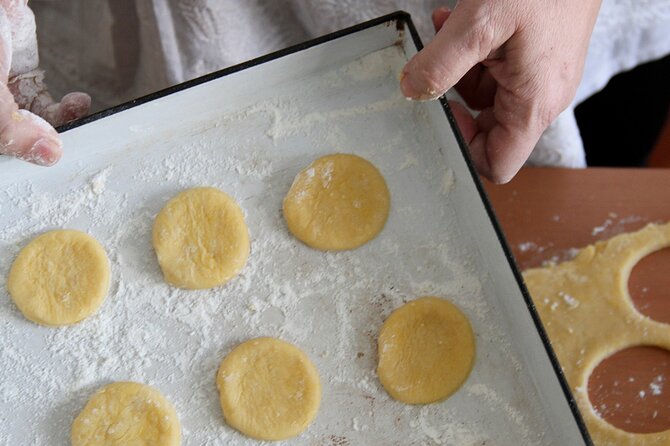
The second half turns to alfajores, Argentina’s beloved sandwich cookies. You mix, bake, and assemble the treats, filling the cookies with creamy dulce de leche and often rolling the edges or coating them with coconut. The class may also let you try different shapes, which is a simple touch that works well for children.
The cookies are delicate. Handle them gently when spreading the dulce de leche and joining the two halves. One useful practical tip is to avoid pressing hard, since the cookies can break easily. This is exactly the kind of small lesson that saves frustration when you try the recipe again at home.
The timing of the alfajores also makes sense. While an empanada filling cools, you can work on the cookies rather than waiting around. The pace is relaxed, with time to cook, eat, talk, and learn. It is not a race to finish each dish before moving to the next.
Dulce de leche gives the alfajores their unmistakable character, but the class is more valuable when the host explains the food’s place in Argentine life. Hosts such as Carolina and Catalina have been praised for making the session social and approachable, while other instructors have added cultural background, geography, and stories about Buenos Aires.
Completely different, still leaving from Buenos Aires:
- Buenos Aires Hop-On Hop-Off Bus, Free Walking Tours & Discounts
★ 4.5 · 2,218 reviews - Buenos Aires: Piazzolla Tango Show with Optional Dinner
★ 4.4 · 2,122 reviews - Buenos Aires: City Highlights Guided Tour with Transfer
★ 4.7 · 1,946 reviews - Buenos Aires: Hop-On Hop-Off City Bus Tour
★ 4.2 · 1,855 reviews
Mate, conversation, and the culture around the food
Mate is included as Argentina’s most famous infusion. You get more than a drink break: it helps explain a shared social habit that visitors may notice throughout the country. Coffee and tea are also listed among the included refreshments.
The social side is a major part of the value. You sit with people from different places, work on the same dishes, and have a natural reason to talk. Solo visitors can join without feeling out of place, and families can use the class as a gentler way to meet other people than a large group tour.
Some sessions have included wine while cooking or eating. That can add to the pleasure of the meal, but the information provided is not fully consistent about it. Mate is the dependable cultural inclusion; wine should be treated as a possible extra rather than a guarantee.
The hosts also vary in personality and teaching style. Tomas has received praise for warmth, clear instruction, and good conversation. One host, described as an artisan aperitivo maker with a specialty in vermouths and fernets, may offer extra insight into Argentine drinks. These added conversations can be a bonus, but they are not a formal part of the advertised cooking plan.
How hands-on is the cooking class?
This is the point to consider carefully. The experience is marketed as hands-on, and the standard activities include chopping, stovetop cooking, rolling dough, stuffing empanadas, baking, and assembling alfajores. Yet the precise balance may change from one session to another.
In some classes, you may prepare nearly everything from scratch. In others, the empanada shells or cookie components may be prepared in advance, leaving you to concentrate on filling, folding, and assembly. One account described the cooking as fairly light, with participants chopping ingredients, helping with quick stovetop work, and stuffing premade shells.
I would book this for food culture and a fun introduction, not for advanced culinary training. If you want every participant to make a separate batch from raw ingredients, this may feel too light. If you want a friendly class where you learn the main methods, eat well, and leave with recipes, the format makes good sense.
Participation can also depend on group dynamics. With ten people at most, the class is small, but one person may take the lead during a particular step. If you want more active time, speak up and ask to help with chopping, folding, or assembly. Children will need close adult help with knives, even though the activity is suitable for families.
A family activity with real food lessons
This is one of the better Buenos Aires activities for a family that wants more than sightseeing. Children can shape empanadas, make different alfajor designs, try lentil or meat fillings, and learn that food carries customs and stories. The two-and-a-half-hour length is long enough to feel substantial without taking an entire day.
Parents should stay involved. Chopping meat and vegetables with sharp knives is part of some sessions, and children may need help during stovetop preparation. The host can explain the process, but supervision remains the adult’s job.
The class also works for teenagers and adults who rarely cook. The recipes are beginner-friendly, and the hosts focus on basic actions that you can repeat at home. You do not need special equipment or prior pastry skills.
I would be less likely to choose it for a very young child who cannot safely participate in kitchen work. In that case, the child may spend much of the class watching. For children old enough to follow instructions, the chance to eat what they helped make can be a strong incentive to try new flavors.
What the $49 price includes
At $49 per person, the fee covers about two and a half hours of instruction, the empanada and alfajor ingredients, cooking tools, a professional local host, and coffee, tea, or mate. You also eat the food you prepare, and recipes are shared afterward.
That is fair value if you want a meal plus an activity. A restaurant dinner would give you finished food, but not the folding lesson, cultural context, or recipe to take home. A standard cooking course could cost more, especially if it involves a longer program or a larger menu.
The value is strongest for families and solo visitors. A family of five can turn one afternoon into a shared memory, while a solo participant gets an easy social setting and a meal without needing to arrange a group. Couples who enjoy food and conversation should also find the price reasonable.
The value is weaker if you mainly want to eat. The cooking is part of the point, and some preparation may be done ahead. Anyone seeking a serious technical pastry class should compare the format carefully before booking.
Timing, booking, and cancellation details
The activity lasts approximately two hours and 30 minutes and ends back at the starting point. Confirmation is provided when you book, and the meeting point is near public transportation.
This experience is often reserved well ahead of time, with bookings averaging about 37 days in advance. That is useful to know if your Buenos Aires dates are fixed, particularly if you want a family-friendly time or a particular host. Chef names are not guaranteed across every departure.
Free cancellation is available up to 24 hours before the local start time for a full refund. Changes or cancellations made less than 24 hours ahead are not accepted for a refund.
There has been at least one serious scheduling complaint involving a late time change and cancellation. I would keep your confirmation details and check messages before the class, especially if the activity is important to your day. If the provider changes the time, contact Signature Tours promptly and clarify the refund or replacement arrangement before making a new booking.
Who will get the most from this Palermo class?
You should consider booking if you want:
- A friendly introduction to Argentine food
- A family activity with edible results
- Meat and vegan choices in the same class
- A small group rather than a large demonstration
- A chance to meet people while cooking
- Recipes you can repeat after returning home
- Cultural context alongside the meal
You may want another option if you need extensive hands-on time for every step, have complex dietary restrictions, or dislike group activities. The class is social, and the amount of active cooking can vary.
The strongest part is not simply the final plate. It is learning that empanadas have their own shapes, folding habits, and family traditions, then seeing how an everyday Argentine food travels from kitchen table to your own home kitchen.
Should you book the Empanadas and Alfajores Cooking Experience?
I would book this as a relaxed Palermo afternoon, especially for families, solo visitors, and first-time cooks. The 4.9 rating from 112 reviews and 96 percent recommendation figure fit the overall picture: most sessions deliver tasty food, friendly instruction, and a pleasant cultural exchange.
Go in with the right expectations. This is not a demanding culinary school course, and you may not prepare every element from the beginning. Ask to take part, watch the knife work around children, confirm your filling preference, and treat wine as a possible extra rather than a promise.
For $49, you receive a meal, a local food lesson, mate, conversation, and recipes that extend the experience beyond Buenos Aires. If that combination sounds more appealing than another restaurant meal, this is a sensible booking.
FAQ
Where does the cooking experience start?
The class starts at Gorriti 4882, C1414BJN, in Buenos Aires. The meeting point is near public transportation.
How long does the experience last?
It lasts approximately two hours and 30 minutes.
What foods will I make?
You will prepare Argentine empanadas and dulce de leche alfajores. The class covers mixing, cooking, filling, folding, baking, and assembling the dishes.
Are vegan empanadas available?
Yes. You can choose between a meat filling and a vegan lentil option.
Is the class suitable for children?
Yes, the activity is presented as suitable for families and children. Children may need adult help with chopping and other work involving sharp knives.
How many people can join the class?
The maximum group size is 10 people.
What is included in the $49 price?
The price includes empanada ingredients, alfajor ingredients, cooking tools, a professional native host, and coffee, tea, or mate. Transportation and tips are not included.
Recently added in Buenos Aires
- Buenos Aires: Private City Tour by Car with Hotel or Pickup★ 5.0 · 3 reviews
- Guided tour Boca Juniors Museum & Stadium + Caminito★ 3.3 · 3 reviews
- Buenos Aires: Montserrat, San Telmo, La Boca, and Puerto …★ 5.0 · 3 reviews
- Unique Tigre and Delta Private Day Cruise Navegation★ 5.0 · 3 reviews
- Buenos Aires: MALBA Museo de Arte Latinoamericano Tour★ 4.1 · 3 reviews
- Buenos Aires: Mate Workshop y Otras Yerbas★ 5.0 · 3 reviews
- Tango Show at: MichelAngelo★ 4.5 · 3 reviews
- From Colonialism to Eclecticism, Buenos Aires arquitectonica★ 5.0 · 3 reviews
Buenos Aires Tours, compared.
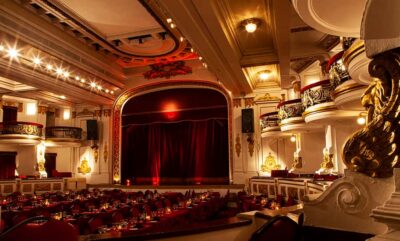
Buenos Aires: Piazzolla Tango Show with Optional Dinner
Read our review →
Buenos Aires: City Highlights Guided Tour with Transfer
Read our review →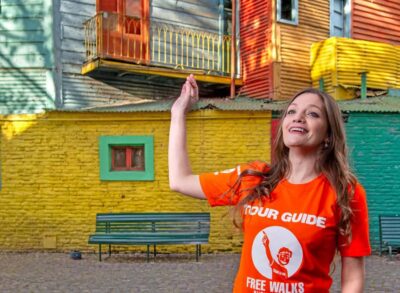
Buenos Aires: La Boca Guided Walking Tour in English
Read our review →
Buenos Aires: La Recoleta Cemetery Guided Tour in English
Read our review →
Buenos Aires: Tango Show at Tango Porteño & Optional Dinner
Read our review →
Buenos Aires: 9-Course Argentine Meat Tasting at Fogón Asado
Read our review →

Buenos Aires: Madero Tango Show with Optional Dinner
Read our review →Browse the lists this tour appears in