
Reviewed · BUENOS AIRES TOURS
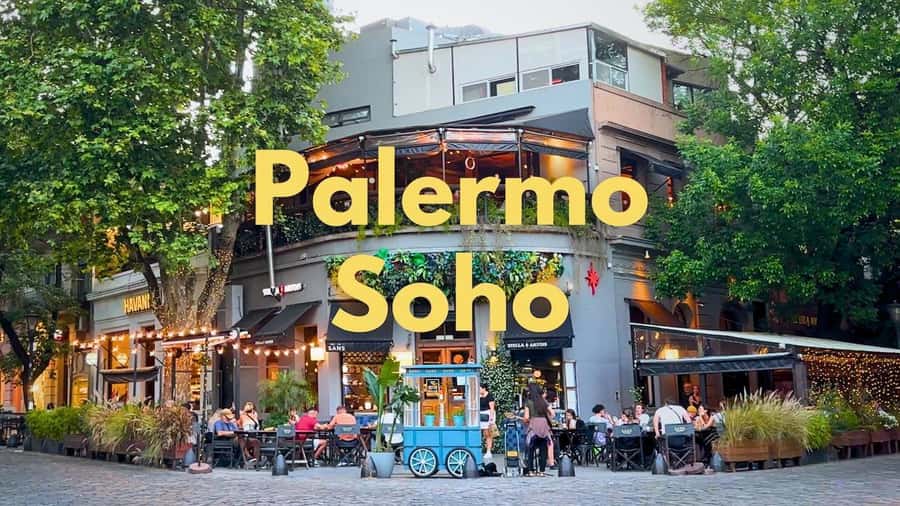
Palermo SoHo for curious people
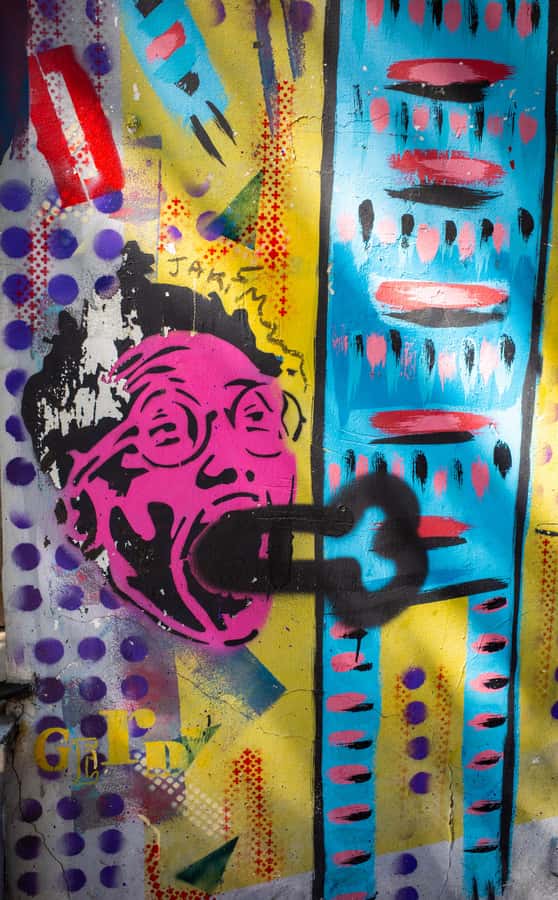
Palermo SoHo looks polished on the surface, all designer shops, cafés, street art, and fashionable restaurants. This walk with anthropologist Nico asks you to look past that surface and consider how a working neighborhood became one of Buenos Aires’ most fashionable addresses. You’ll talk about railways, immigration, currency troubles, and the price of being cool.
I like the discussion-based format, since you can ask questions instead of standing silently behind a guide with an umbrella. I also like the route’s mix of grander sights and small stops, from the Polo Científico Tecnológico to Pasaje Russel and an old Ukrainian cultural association. The main consideration is that this is a social, idea-focused walk, not a classic sightseeing tour packed with major monuments.
Key points at a glance
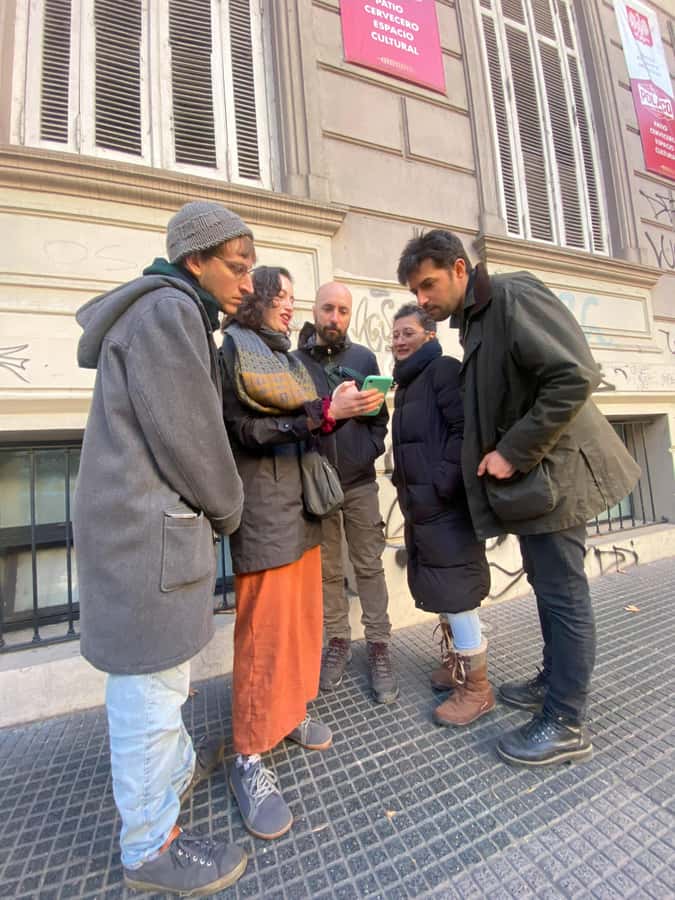
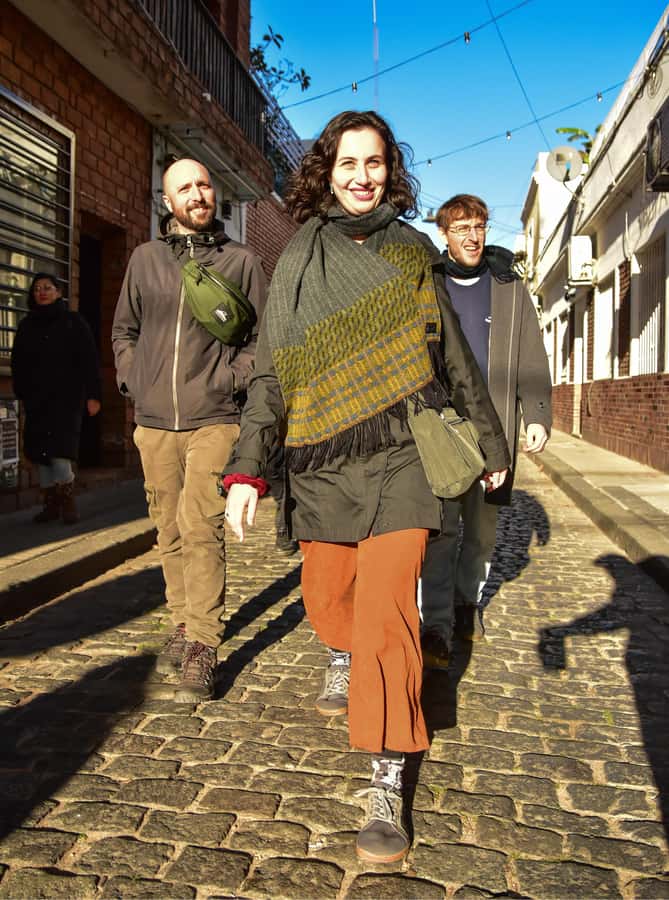
- A two-hour walk with an anthropologist: Nico leads the experience as a conversation about Palermo’s past, present, and uncertain future.
- A route from Distrito Arcos to Plaza Serrano: You move from a shopping complex near Puente Pacífico into the streets that gave Palermo SoHo its name and personality.
- Gentrification explained on the ground: Real estate speculation, tourism, new restaurants, and Argentine currency shifts are part of the story.
- Immigration is central, not an afterthought: Ukrainian, Polish, Armenian, and other cultural threads appear along the route.
- A useful stop for local context: A break at Helados Italia gives you a pause before the final stretch through Pasaje Russel.
- Good value at $25: The price covers a private or small-group guided walk, with English, Spanish, and French available.
Palermo SoHo is more than a stylish address
The appeal here is not simply seeing where Buenos Aires goes for sourdough bread and fashionable clothing. The point is to understand how a neighborhood changes, who benefits from that change, and what gets lost along the way.
Nico frames the walk around questions. What did the train and tram contribute to Palermo’s beginnings? Who lived here first? When did Palermo begin using the SoHo label? How did tourists, restaurants, design shops, and property speculation reshape the streets?
That makes the experience a good match for you if you like cities as living subjects. You’ll still see attractive streets and popular landmarks, but the guide keeps pulling the conversation toward causes and consequences. This is not a tour built around a long list of dates. It is a way to read Buenos Aires through one neighborhood.
Other Buenos Aires days worth putting on the same trip:
- Buenos Aires Hop-On Hop-Off Bus, Free Walking Tours & Discounts
★ 4.5 · 2,218 reviews - Buenos Aires: Piazzolla Tango Show with Optional Dinner
★ 4.4 · 2,122 reviews - Buenos Aires: City Highlights Guided Tour with Transfer
★ 4.7 · 1,946 reviews
Starting at Distrito Arcos and Puente Pacífico
The meeting point is by the amphitheater at Distrito Arcos, next to the Montagne store. This is a useful starting place because Distrito Arcos presents the newer, commercial side of Palermo. It is a premium outlet center, a very different setting from the local associations and older passages you’ll encounter later.
A practical note: the meeting point can be easy to miss. One participant had trouble finding it, and Nico helped sort it out. I would arrive a little early and use the map link supplied with your booking rather than relying on a general search for Distrito Arcos.
From there, the group reaches Puente Pacífico, where the guide spends about 15 minutes. The bridge and surrounding transport links help explain why this part of Buenos Aires developed as it did. Instead of treating the neighborhood as an isolated pocket of cafés and boutiques, Nico connects it to movement through the city.
This is an important early lesson. Transportation often decides which areas grow, who can reach them, and how land gains value. You won’t just hear that Palermo changed. You’ll begin to see the forces that made change possible.
The Polo Científico Tecnológico and Palermo’s newer identity
The next major stop is the Polo Científico Tecnológico, with about 20 minutes for guided discussion. It adds a modern institutional layer to the neighborhood’s story.
The contrast matters. Palermo SoHo is marketed through lifestyle, food, and design, yet the area also contains serious scientific and public institutions. The Polo helps show how a neighborhood can carry several identities at once. It is not only an entertainment district, and it is not frozen in an old immigrant past.
I appreciate this kind of stop because it keeps the walk from becoming a simple before-and-after story. Palermo has not merely traded old buildings for trendy storefronts. Different forms of work, culture, investment, and public life now sit close together.
Pasaje Emilio Zola: a quieter look at the streets
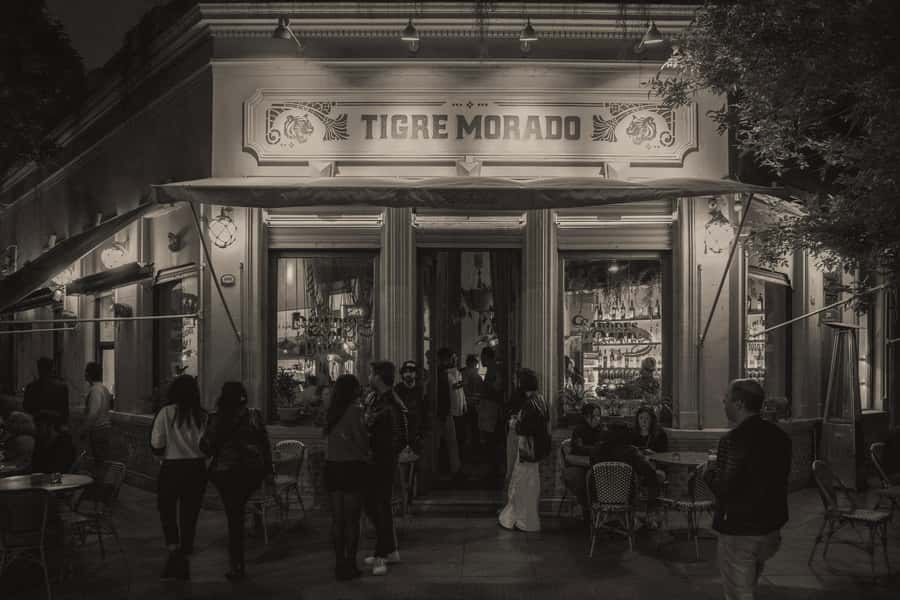
After the larger city settings, the route turns into Pasaje Emilio Zola for roughly 10 minutes. A passage like this gives you a closer look at the texture of Palermo SoHo.
The value is in the scale. You leave behind broad transport routes and commercial complexes and see a more intimate slice of the neighborhood. The walk encourages you to notice how residential streets and fashionable business areas overlap.
Because the tour is guided through conversation, you can ask about what you are seeing rather than simply photograph it and move on. The guide’s job here is less about pointing to one famous object and more about helping you connect ordinary streets to the larger story of property values and neighborhood identity.
Completely different, still leaving from Buenos Aires:
- Buenos Aires: Hop-On Hop-Off City Bus Tour
★ 4.2 · 1,855 reviews - Buenos Aires Hop-On Hop-Off Bus and Exclusive Benefits
★ 4.4 · 1,714 reviews - Buenos Aires: La Boca Guided Walking Tour in English
★ 4.8 · 1,587 reviews - Buenos Aires: La Recoleta Cemetery Guided Tour in English
★ 4.8 · 1,359 reviews
Ukrainian culture and the people who came first
The Asociación Ucrania de Cultura Prosvita en la República Argentina is one of the most distinctive stops. The group spends about 15 minutes here, discussing the Ukrainian presence in Argentina and the role of cultural associations.
This is where the walk earns its promise to look beyond the fashionable façade. Palermo’s current image may center on cocktails, design, and restaurants, but its social story includes immigrants building institutions and maintaining language and culture far from home.
The stop also gives you a useful way to think about identity. A neighborhood does not become new simply because new businesses arrive. Older communities may remain active, adapt to change, or become less visible as the area gains a new public image.
If you are interested in migration, this part of the route may be one of the most rewarding. It is more specific than a broad statement about Buenos Aires being a city of immigrants. You are shown how cultural life can take physical form in an association and its surroundings.
El Preferido, Don Julio, and the business of being fashionable
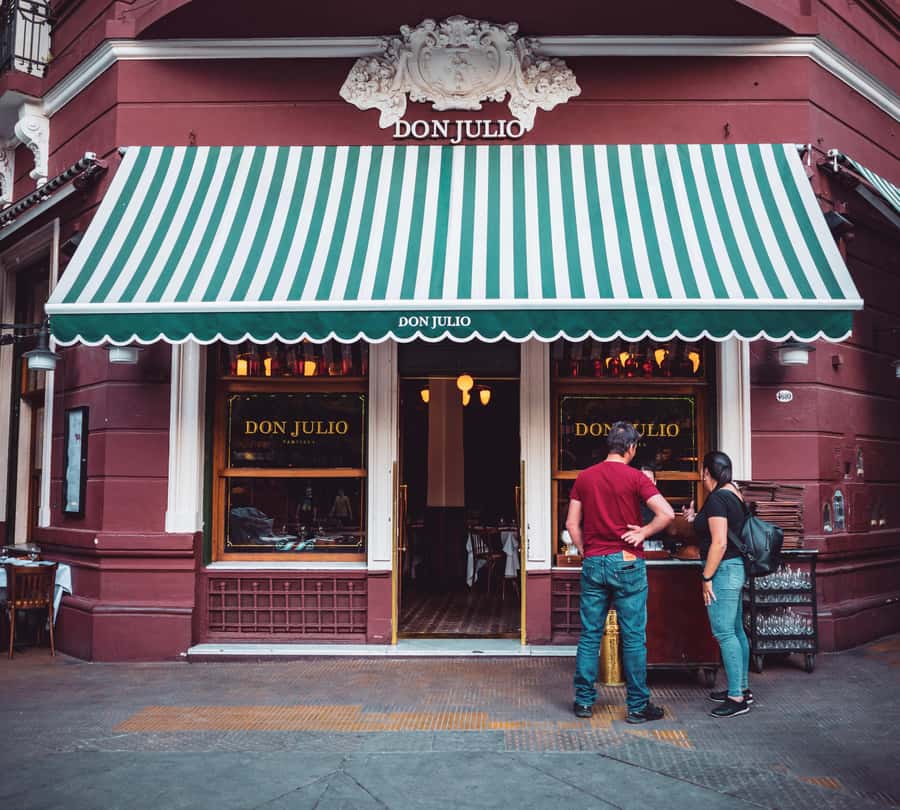
The route then passes through several food landmarks, including El Preferido de Palermo and Don Julio Parrilla. The stop at El Preferido lasts about five minutes, while Don Julio is a brief visit.
These places help explain Palermo SoHo’s current economic identity. They are not included only as restaurant recommendations. They represent the area’s shift into a dining destination, where food, reputation, tourism, and real estate all feed one another.
You can discuss the familiar signs of the new Palermo here: chic bars, high-profile restaurants, avocado toast, sourdough bakeries, and visitors seeking a particular kind of Buenos Aires experience. The humor in the walk comes from recognizing those clichés without pretending they appeared by accident.
Do not expect a full meal at either location. The schedule gives you brief visits, not a restaurant crawl. If you want to eat at Don Julio or El Preferido, you should treat that as a separate plan and not assume the walk includes a table or tasting.
Klub Polaco and ACILBA: a wider immigrant story
Klub Polaco follows with another short visit, around five minutes. Along with the Ukrainian stop, it widens the immigration story and shows how several communities helped shape the district.
The route also passes by ACILBA for about three minutes. The time is brief, but the cumulative effect is useful. Instead of presenting immigration as one chapter that ended long ago, the walk places cultural organizations directly beside the restaurants and shops that define Palermo SoHo today.
That contrast is one of the best features of the experience. You can move from a Polish or Ukrainian cultural reference to a famous parrilla within minutes. The neighborhood’s past and present are not separated into different museum rooms. They share the same streets.
Plaza Inmigrantes de Armenia and the question of belonging
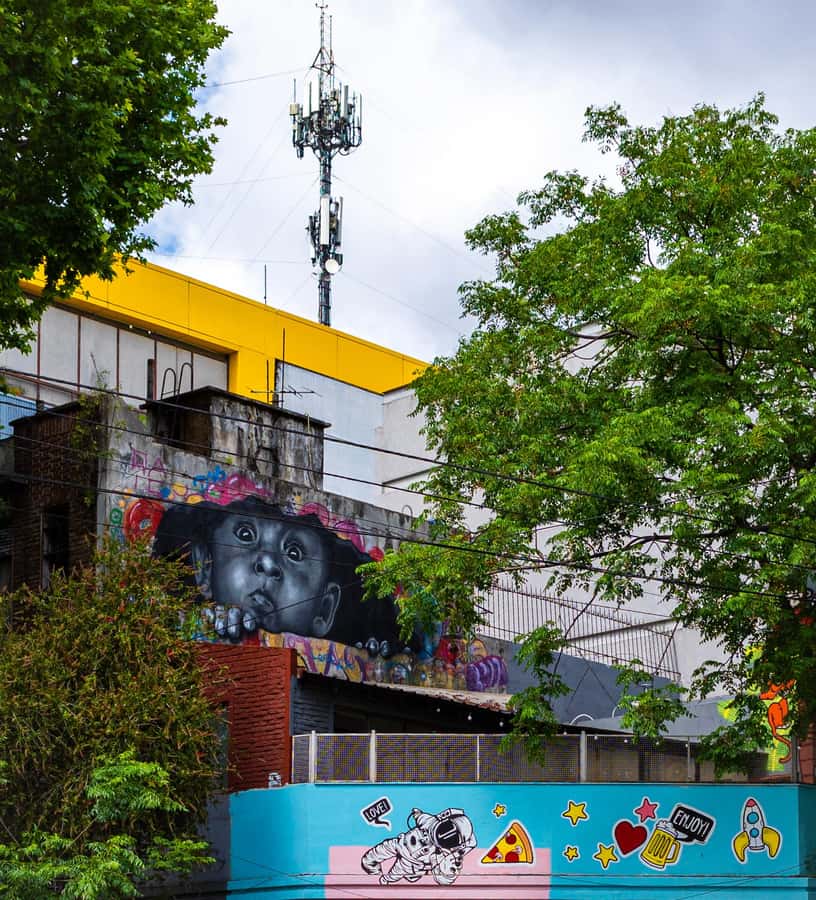
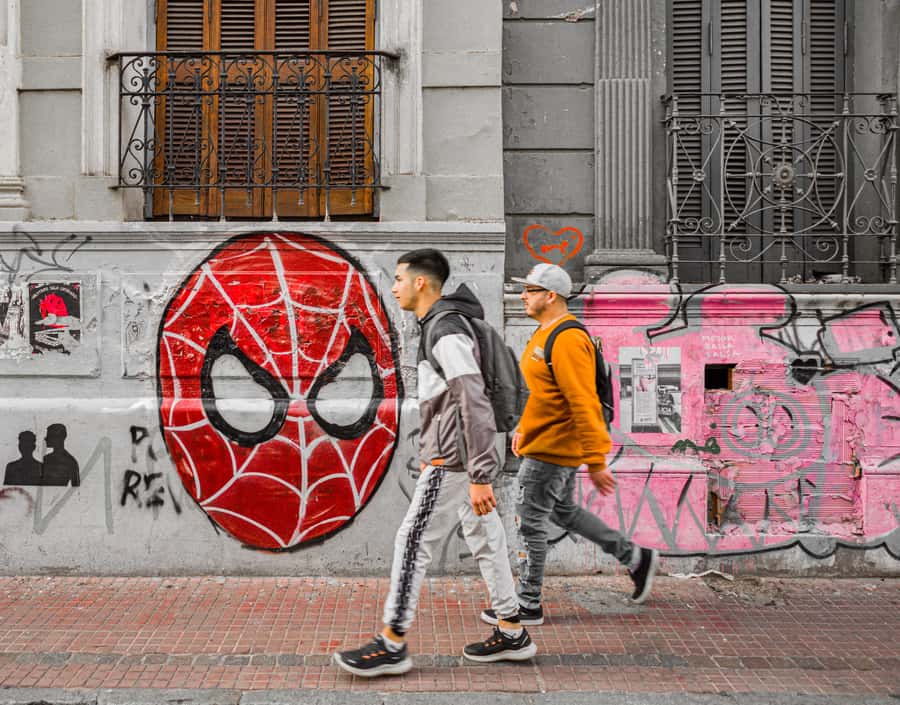
At Plaza Inmigrantes de Armenia, the guide leads for about 10 minutes. The square provides a natural point for discussing immigration, public memory, and the Armenian connection to the neighborhood.
This stop helps you think about who gets remembered in public space. A plaza can be a meeting place, a name on a map, a local reference point, and a sign of a community’s lasting place in the city.
It also fits the tour’s larger question: who has the right to define Palermo? Longtime residents, immigrant associations, property owners, restaurant operators, tourists, and city planners may all have different answers.
I would pay attention to this section if you want more than a design-and-food walk. The tour’s strongest material comes when it connects a visible place to a larger question about belonging and change.
Helados Italia: a useful pause in the middle
The stop at Helados Italia lasts about 15 minutes and serves as the route’s break. That small pause matters. Two hours on city streets is not a long walk, but stopping for ice cream gives you time to rest, ask follow-up questions, and let the earlier material settle.
The break is also more practical than a formal lecture pause. You get a chance to reset before the final section, which moves into smaller passages and ends near Plaza Serrano.
The supplied information does not say that ice cream is included in the $25 price, so plan to pay for anything you order separately. Think of this as a scheduled break, not an included food tasting.
Pasaje Russel and the final walk to Plaza Serrano
The last guided stop is Pasaje Russel, with about 10 minutes of discussion. Like Pasaje Emilio Zola, it brings the focus back to the physical streets after the larger themes of immigration, investment, and tourism.
By this point, you have seen several versions of Palermo: transport-linked Palermo, institutional Palermo, immigrant Palermo, restaurant Palermo, and the narrow residential passages that help tie everything together. Pasaje Russel gives the guide one more chance to show how a neighborhood’s character is shaped by details that are easy to pass without context.
The walk ends at Plaza Serrano, the natural heart of Palermo SoHo’s social scene. This is a smart finish because you arrive with a clearer sense of how the area’s fashionable image was built. You are also well placed to continue your evening, browse nearby streets, or find a meal after the tour.
The ending is not at the starting point, so plan your transport with that in mind. The route is designed as a one-way walk from Distrito Arcos to Plaza Serrano.
Gentrification, currency, and the price of a neighborhood
The most unusual part of the experience is its focus on economics. Nico discusses real estate speculation and its connection to Argentine peso devaluation, as well as the country’s complicated exchange-rate situation.
That subject can sound dry on paper, but it matters if you are trying to understand why Palermo SoHo feels so expensive and internationally styled. Currency shifts can change who can afford to buy, rent, open a business, or visit. Property speculation can change the type of business that survives. Tourism can add money while also pushing up prices and altering local habits.
The walk does not treat gentrification as a simple villain-and-victim story. Instead, it asks you to consider how investment can bring improvements and attention while also making a neighborhood harder for some residents to afford.
You should choose this tour if you want that sort of honest conversation. If you only want photo stops, architecture, and restaurant tips, the economic discussion may feel like more than you need.
What the guide brings to the experience
Nico is the guide named in the feedback provided for this experience. He is described as informative, humorous, professional, personable, and willing to help when the meeting point proved confusing.
Those details matter because this walk depends heavily on the guide’s ability to handle conversation. A scripted lecture would not suit the format. You need someone who can explain a complex issue in plain terms, respond to questions, and keep the group moving.
The tour is offered in English, Spanish, or French. Private and small-group options are available, which should make the discussion easier than it would be with a large crowd. The experience is also wheelchair accessible, though the supplied details do not describe the exact street conditions or any route adjustments.
Is $25 a fair price?
At $25 per person, I consider this a solid value if you care about context. You are paying for two hours with a university-degree guide, a custom route through one of Buenos Aires’ most talked-about neighborhoods, and a conversation that covers history, immigration, food culture, property, and currency.
It is less attractive if you measure value by the number of major attractions entered. This is primarily a walking and discussion experience. The brief visits to restaurants, associations, plazas, and passages are there to support the story, not to provide admissions, meals, or long interior tours.
The private or small-group option may be especially worthwhile if you have specific questions about Palermo, Argentine economics, or immigration. A smaller group should also make it easier to speak up and shape the discussion.
You can reserve now and pay later, and cancellation is free up to 24 hours before the start for a full refund. Starting times vary, so check availability when choosing your date.
Who should book this Palermo walk?
I would recommend it most strongly to you if you:
- Like urban history and social questions
- Want to understand gentrification rather than just observe it
- Prefer conversation to a one-way lecture
- Are curious about immigrant communities in Buenos Aires
- Have already seen the main sights and want a more focused neighborhood experience
- Enjoy food culture but want to know what it says about a city
It may not be the best fit if you need a fast list of attractions, a formal architecture tour, or a food tour with substantial tastings. The route includes food landmarks, but eating is not the main event.
The two-hour length is manageable, and the break at Helados Italia helps. Still, wear comfortable shoes and come ready to walk and talk. The guide will ask you to think, not just point a camera.
Should you book it?
Book this Palermo SoHo walk if you want the neighborhood explained from the inside out. Nico’s approach gives you transport links, cultural associations, restaurants, exchange rates, and property speculation in one connected story. That is a lot of ground for $25.
Skip it if you want a purely visual tour or a restaurant itinerary. The best reason to go is not simply to see Plaza Serrano. It is to understand why Palermo became Palermo SoHo, and to question what that change means for the people who call it home.
FAQ
Where does the Palermo SoHo walk begin?
It begins by the amphitheater at Distrito Arcos, next to the Montagne store.
Where does the walk end?
The experience ends at Plaza Serrano.
How long does the experience last?
The walking tour lasts two hours.
What does the tour cost?
The listed price is $25 per person.
Which languages are available?
The live guide can conduct the experience in English, Spanish, or French.
Who leads the walk?
The guide is Nico, a university-degree guide who presents the experience from an anthropological perspective.
Is this a private tour?
Private and small-group options are available.
Is the route wheelchair accessible?
Yes, the experience is listed as wheelchair accessible.
Does the tour include food or ice cream?
The route includes a 15-minute break at Helados Italia, but the supplied information does not state that food or ice cream is included in the price.
Can I cancel the booking?
You can cancel up to 24 hours in advance for a full refund.
Recently added in Buenos Aires
- Buenos Aires: Private City Tour by Car with Hotel or Pickup★ 5.0 · 3 reviews
- Guided tour Boca Juniors Museum & Stadium + Caminito★ 3.3 · 3 reviews
- Buenos Aires: Montserrat, San Telmo, La Boca, and Puerto …★ 5.0 · 3 reviews
- Unique Tigre and Delta Private Day Cruise Navegation★ 5.0 · 3 reviews
- Buenos Aires: MALBA Museo de Arte Latinoamericano Tour★ 4.1 · 3 reviews
- Buenos Aires: Mate Workshop y Otras Yerbas★ 5.0 · 3 reviews
- Tango Show at: MichelAngelo★ 4.5 · 3 reviews
- From Colonialism to Eclecticism, Buenos Aires arquitectonica★ 5.0 · 3 reviews
Buenos Aires Tours, compared.

Buenos Aires: Piazzolla Tango Show with Optional Dinner
Read our review →
Buenos Aires: City Highlights Guided Tour with Transfer
Read our review →
Buenos Aires: La Boca Guided Walking Tour in English
Read our review →
Buenos Aires: La Recoleta Cemetery Guided Tour in English
Read our review →
Buenos Aires: Tango Show at Tango Porteño & Optional Dinner
Read our review →
Buenos Aires: 9-Course Argentine Meat Tasting at Fogón Asado
Read our review →
