
Reviewed · BUENOS AIRES TOURS
Buenos Aires: Visit to the Diego Armando Maradona Stadium
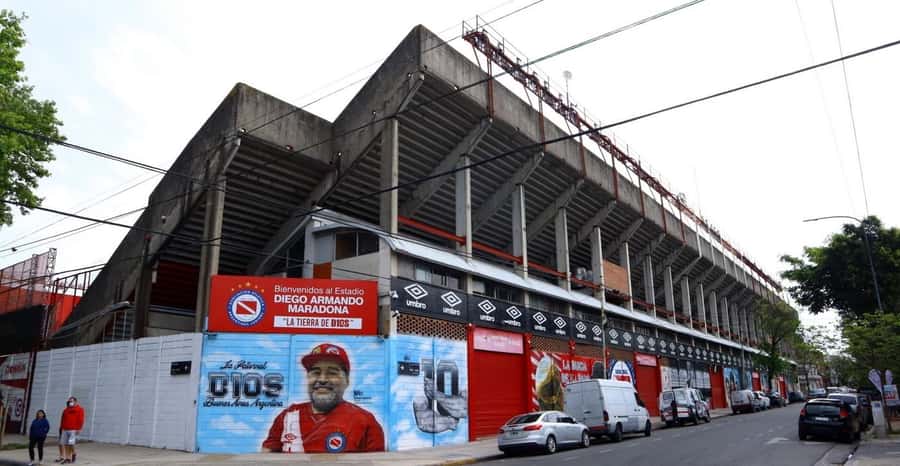
The most moving part of this Buenos Aires football tour is not a trophy room. It is the place where Diego Armando Maradona made his first-team debut for Argentinos Juniors at age 15. You also visit the stadium where Lionel Messi scored his first goals for Argentina, giving this modest ground an extraordinary place in the country’s football story.
I like the fan-built museum, created through volunteer work and donations from club members. I also like the small group size, hotel pickup, and guides such as Fernando, Agustin, and Carmela, who bring strong personal feeling for Argentinos Juniors and Maradona. The main consideration is that this is a club-focused tour, not a grand Buenos Aires stadium show, and the 150-minute schedule can feel short if you want time to linger over every display.
Key points to know before you go
- Maradona’s first-team ground: See the stadium where he debuted for Argentinos Juniors at age 15.
- A museum made by supporters: Photos, shirts, cards, trophies, and donated objects tell the club story from a personal angle.
- Behind-the-scenes access: Walk through the pitch area, changing rooms, central hall, press room, and stadium stands.
- A small-group experience: Groups are limited to 10, with guides speaking English or Spanish.
- Hotel pickup included: Transport begins and ends at your hotel door in Buenos Aires City.
- Strong guide-led storytelling: Fernando, Agustin, and Carmela are among the guides named in recent bookings, with Fernando especially involved in arranging transport and sharing Argentine football culture.
Why this modest stadium matters so much
If you know Maradona mainly from the 1986 World Cup or his years at Napoli, this tour gives you an earlier chapter. The Diego Armando Maradona Stadium is the home of Argentinos Juniors, the Buenos Aires club where he entered senior football as a teenager. That fact alone gives the visit a strong sense of place.
The stadium is also linked to Lionel Messi’s early national-team story. According to the tour information, Messi played his first match with the Argentine national shirt here and scored his first goals for the Albiceleste at this ground. You are not simply looking at a stadium named after Maradona. You are walking through a place connected to two of Argentina’s biggest football icons.
Argentinos Juniors is known for producing players through its youth system. The club’s importance comes partly from those lower divisions, where young talent is trained before moving into senior football or bigger clubs. That makes this visit different from a standard trophy tour. The focus is not only on famous finals and polished honors. It is also on the club system that helped shape Argentine football.
I find that appealing because it gives you a more local view of the sport. The biggest clubs in Buenos Aires attract the headlines, but Argentinos Juniors offers a story about formation, neighborhood identity, and the long path from youth football to the national team.
more football matchdays in Buenos Aires
- Buenos Aires: Tickets to Boca Juniors Museum & Stadium
★ 4.5 · 581 reviews - Soccer Match in Buenos Aires with Transfers and Local Guide
★ 5.0 · 103 reviews - Buenos Aires: Boca Juniors and River Plate Football Tour
★ 4.3 · 82 reviews
Arriving in La Paternal from your Buenos Aires hotel
The tour includes pickup and drop-off at the door of your hotel in Buenos Aires City. That matters in a city where stadium visits can take planning, especially if you are unfamiliar with local transport or are trying to fit the tour into a short stay.
Your guide or driver arranges the transfer, and the experience is offered in a small group limited to 10 people. That is a useful middle ground. You get more personal attention than on a large coach excursion, but you do not have to pay for a fully private tour.
Fernando appears to be especially hands-on with the transport side. He has contacted people through WhatsApp soon after booking, sent precise arrival details, and provided water during the drive. Raul has also been praised for being helpful with transport, including dropping a couple at another location afterward. Those details suggest that the transfer is treated as part of the service rather than as an afterthought.
The information gives the total activity length as 150 minutes, with about 1.5 hours devoted to the guided stadium visit. Some bookings have taken three to four hours once driving and extra time are included, so keep some flexibility in your day. The exact start time depends on availability.
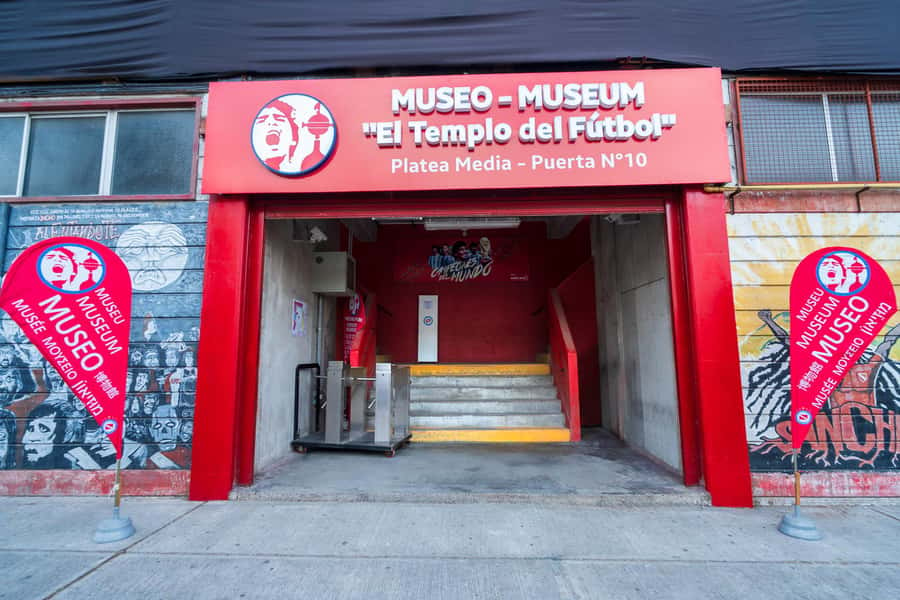
Entering the Temple of Soccer Museum
The museum is called El Templo del Fútbol, or the Temple of Soccer. Its most unusual feature is how it came into being. Club supporters and members built it through voluntary work, and fans donated many of the objects on display.
That origin gives the museum a different feel from a professionally designed national institution. You can expect a collection shaped by affection for the club: photographs, cards, trophies, shirts from different campaigns, and other items saved or donated by supporters. The displays connect Argentinos Juniors to the people who have followed it over the years.
I would not book this tour expecting a giant museum with endless rooms and theatrical displays. Its value is personal rather than grand. The objects help explain how a football club becomes part of family memory and neighborhood life.
The museum also gives context to Maradona’s early years. His debut at 15 is the central link, but the club’s youth tradition adds meaning. You see why Argentinos Juniors is proud of its ability to develop players, not only of the stars who later became famous elsewhere.
English and Spanish are available, and a live guide leads the visit. Carmela has been singled out for explaining the club’s story in a lively way that kept children interested. That is worth noting if you are visiting with a family. The subject is football, but the quality of the storytelling will shape how much younger children take from it.
Walking through the stadium’s working spaces
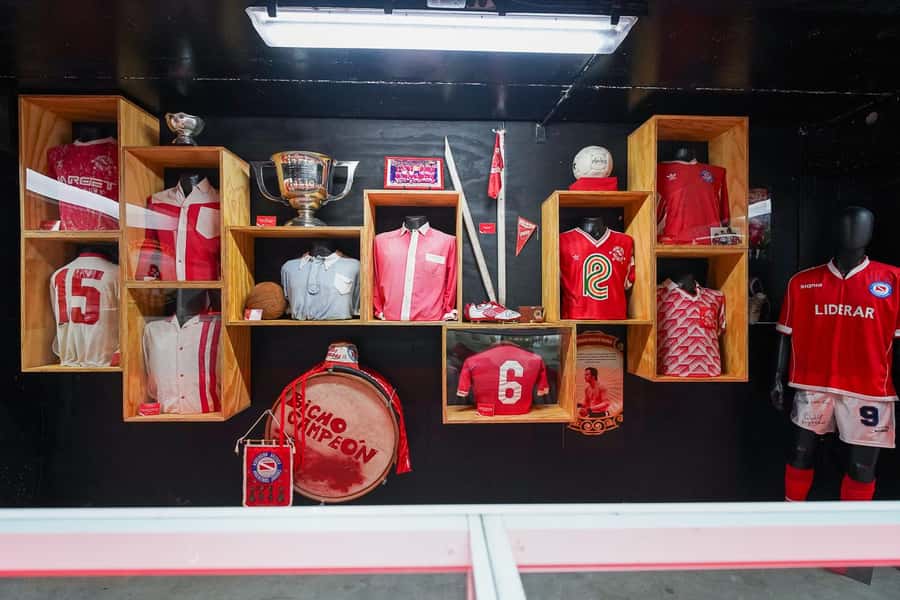
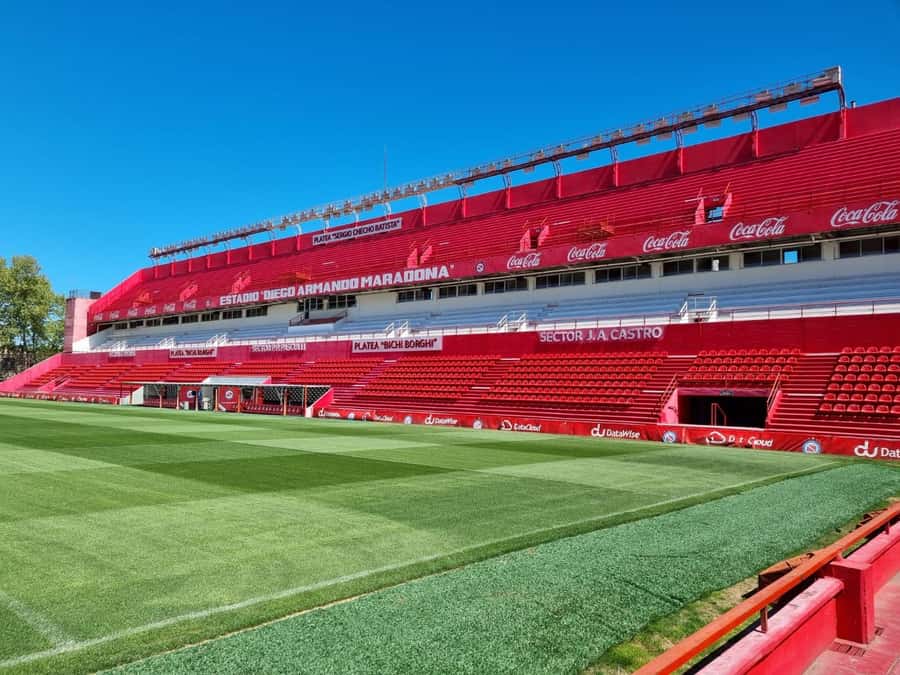
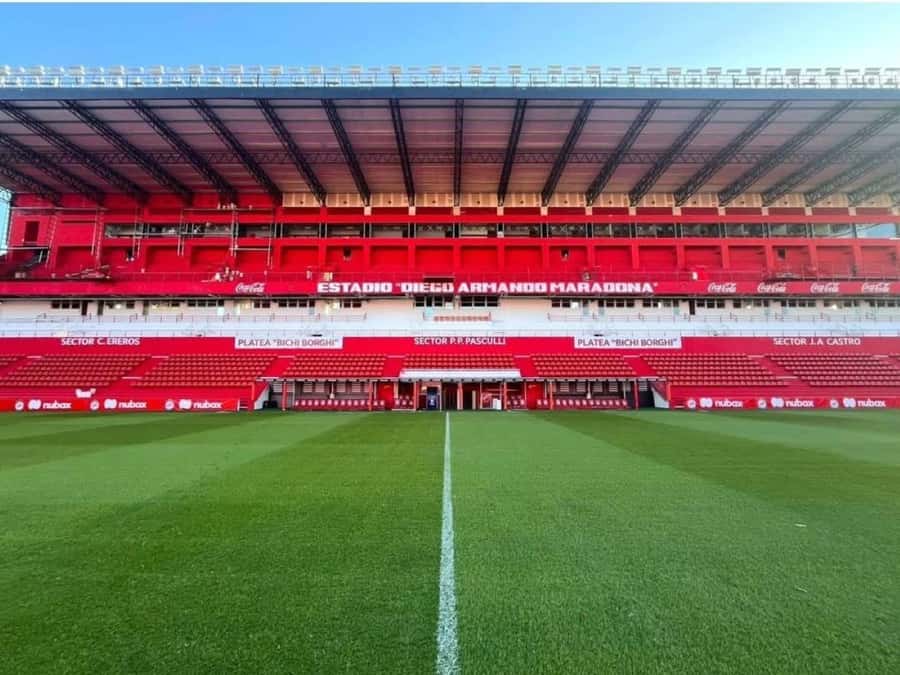
After the museum, the tour moves into the stadium itself. You visit the playing field, changing rooms, central hall, press room, and stands. These spaces help turn the museum story into a physical visit.
The playing field is the obvious photo stop, but the changing rooms and press room add a more practical sense of how match day works. You are seeing parts of the stadium that supporters normally pass by or never enter. The central hall gives another look at the club’s everyday operation, while the stands place you on the side of the people who come to watch Argentinos Juniors play.
Access inside a football stadium can depend on club activity, so you should understand the tour as a guided visit rather than a guarantee of unlimited movement. The stated program includes these areas, but match schedules or stadium operations can always affect what is open on a particular day.
The 1.5-hour stadium and museum portion is a sensible length for most people. You have enough time to see the principal spaces without turning the visit into an all-day football seminar. If you are a serious collector of football details, you may wish for more time with the shirts and photographs. If you are traveling with children, the compact format is likely easier to manage.
Completely different, still leaving from Buenos Aires:
- Buenos Aires Hop-On Hop-Off Bus, Free Walking Tours & Discounts
★ 4.5 · 2,218 reviews - Buenos Aires: Piazzolla Tango Show with Optional Dinner
★ 4.4 · 2,122 reviews - Buenos Aires: City Highlights Guided Tour with Transfer
★ 4.7 · 1,946 reviews - Buenos Aires: Hop-On Hop-Off City Bus Tour
★ 4.2 · 1,855 reviews
The Maradona Sanctuary
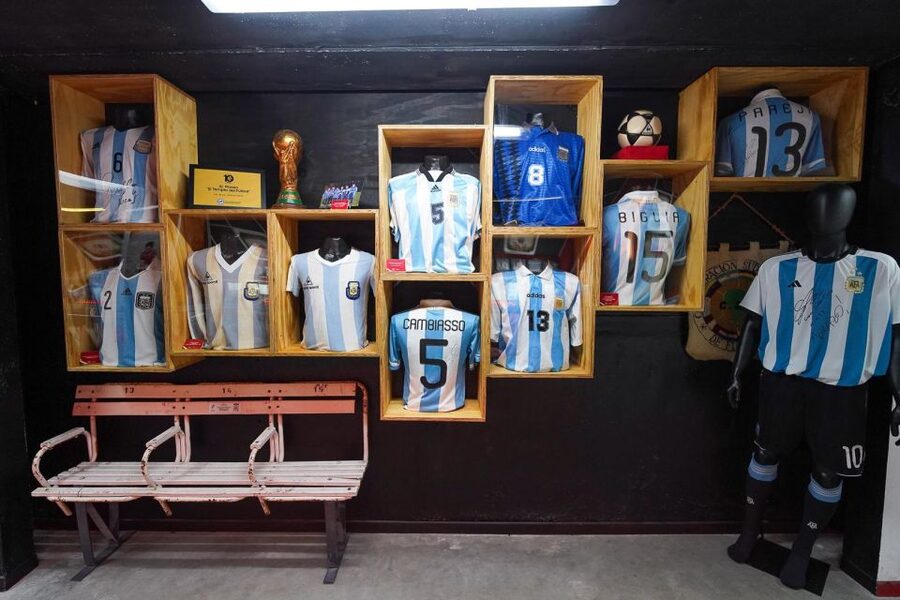
The final stop is the Maradona Sanctuary. The name tells you what kind of place this is: a memorial space centered on the player’s connection to Argentinos Juniors and the stadium where his professional story began.
This is likely to be the most emotional part of the visit for Maradona fans. It is also where the difference between a conventional museum and a supporter-created memorial becomes clearest. The emphasis is on devotion and memory, not on detached sports analysis.
You should approach the sanctuary with some cultural awareness. Maradona is not merely a former player in Argentina. His meaning reaches far beyond match statistics, and the tour is designed to explain that feeling through the club’s own connection to him. Fernando, described in the booking feedback as a devoted Argentinos Juniors and Maradona fan, can add the personal side of that story.
That enthusiasm is a strength when you want to understand Argentine football from the inside. It can be less appealing if you prefer a neutral, highly academic presentation. This is a club visit led by people who care deeply about the subject.
What the guides add to the visit
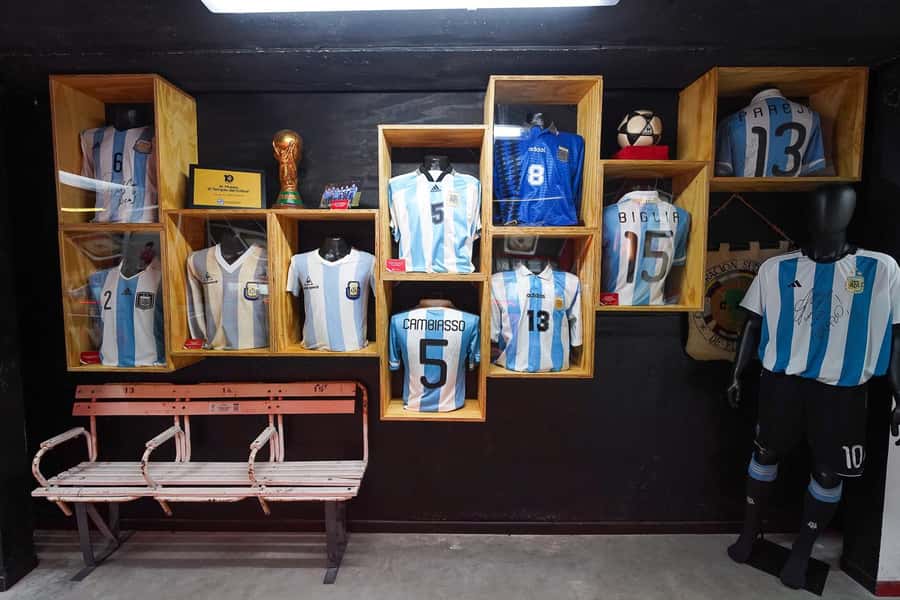
The guide can make or break a small museum tour. Here, several guide names recur in the booking details, including Fernando, Agustin, Carmela, and Claudia, with Raul handling at least some transport duties.
Agustin has been described as bringing real excitement for the club. Carmela has been praised for making the history clear and fun for children. Fernando combines guiding with careful communication before pickup, and his football passion continues during the drive. You may also receive a bilingual guide, with English and Spanish offered throughout the activity.
That personal element is one of the strongest reasons to choose this tour. A supporter can explain why a youth academy matters, why Maradona’s debut carries such weight, and how the stadium fits into the city’s football culture. A guide who simply recited dates would not have the same effect.
The tradeoff is that the experience may vary slightly by guide. The tour is clearly shaped by the person leading it, so expect warmth and opinion rather than a scripted, identical presentation every time.
Is $80 a fair price?
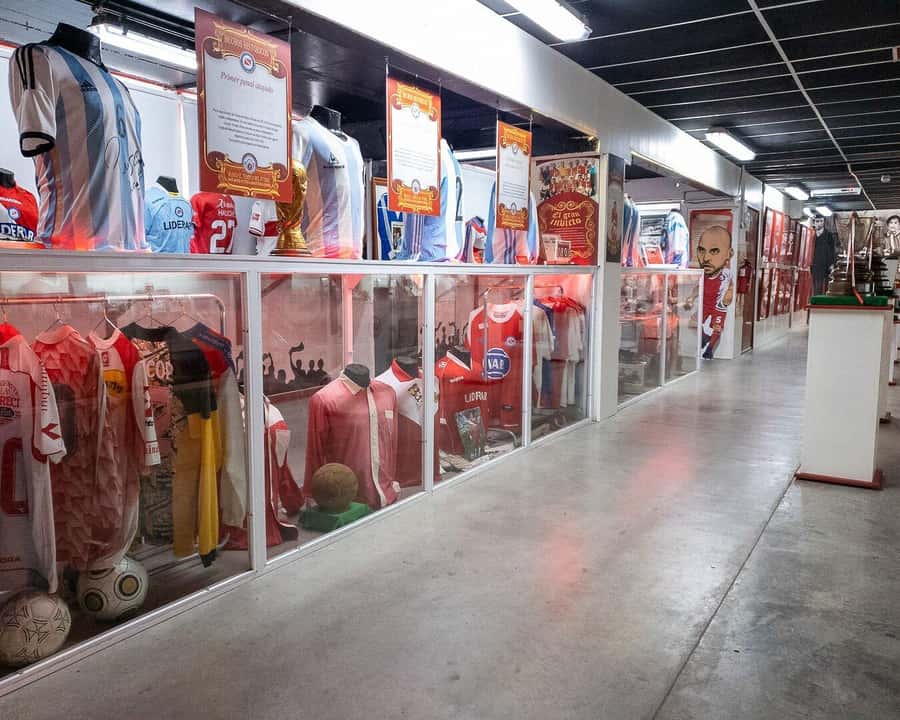
At $80 per person, the tour costs more than simply buying entry to a museum, but you are paying for several parts at once. The price includes hotel pickup and drop-off, admission to the Temple of Soccer Museum, the guided stadium tour, and a bilingual guide.
Transport is the biggest value point. You do not have to work out the route to La Paternal or arrange a taxi back to your hotel. For a first visit to Buenos Aires, or for anyone with limited Spanish, that convenience can justify much of the cost.
The small group limit of 10 also matters. You are more likely to hear the guide, ask questions, and get help with photos than you would on a large group outing. The service around pickup appears careful, with advance WhatsApp messages and clear arrival times.
Food and drinks are not included, but the activity lasts 150 minutes and is primarily a stadium visit. That omission should not be a major concern. Plan to eat before or after rather than expecting a meal during the tour.
The value is strongest for football fans, Maradona followers, and visitors who want an organized experience with door-to-door transport. If you only want to see Buenos Aires landmarks and have little interest in football, $80 may be better spent elsewhere.
Who should book this stadium tour?
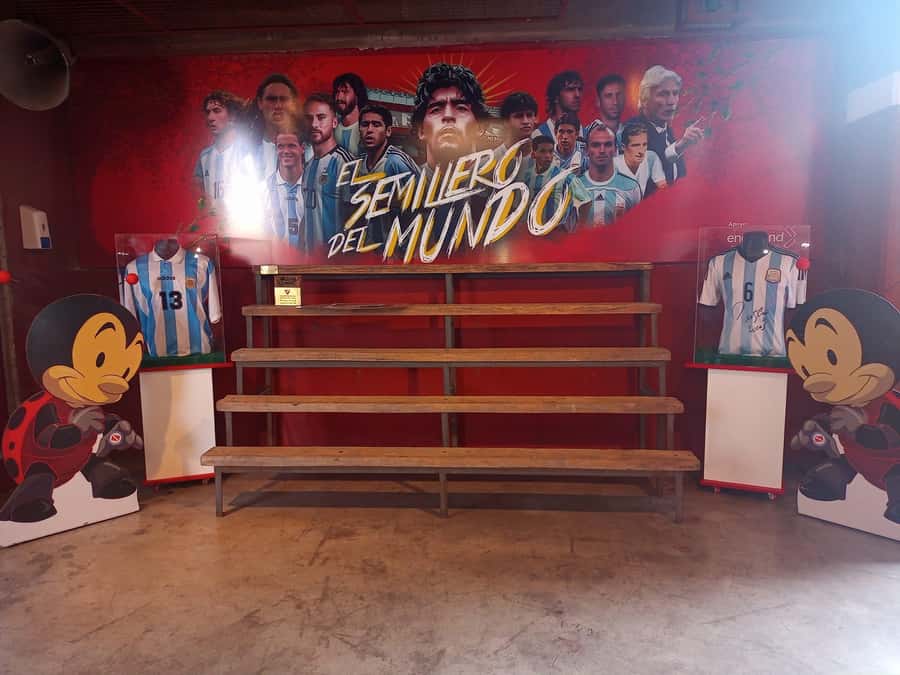
I would recommend it first to anyone who wants to understand why Maradona matters in Argentina, not just where he played later in his career. The stadium gives you a specific starting point, and the museum fills in the club’s role in developing players.
It also suits families. The visit is short enough to hold attention, and Carmela’s child-friendly way of telling the story is a useful sign. Young football fans get access to a real stadium, while adults receive the wider story about club identity and national football.
This is a good choice for visitors who have already seen Buenos Aires’s better-known football sites and want something more focused. The experience is about Argentinos Juniors, so it offers a different angle from the city’s most famous stadium attractions.
You may want to skip it if you want a match-day atmosphere, a large modern museum, or a general tour of Argentine football. There is no food included, and the 150-minute schedule leaves limited time for lingering. It is also wise to leave extra room around the stated duration because hotel transfers can extend the outing.
Practical details to keep in mind
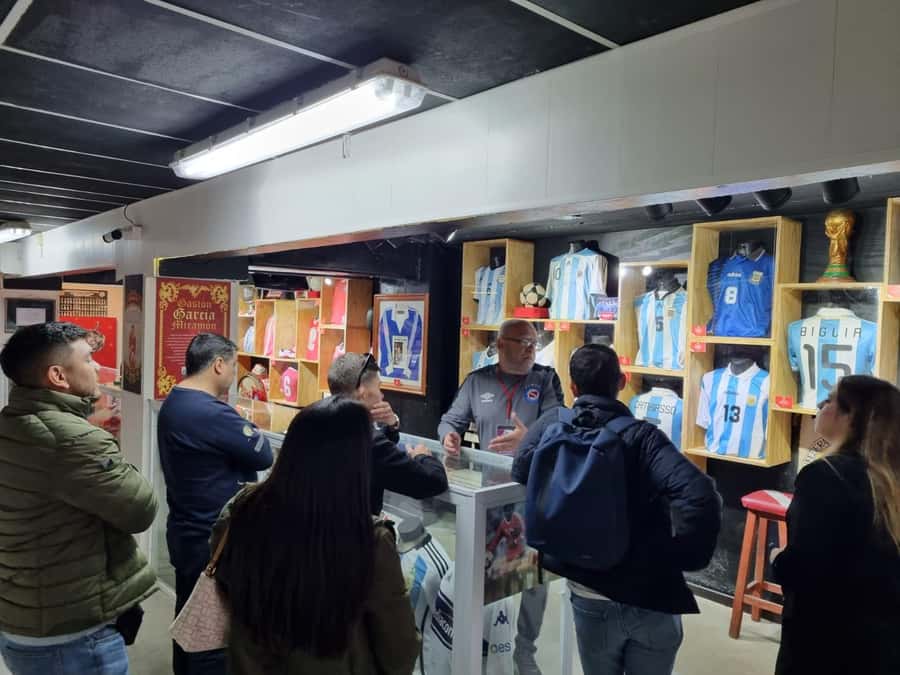
Pickup is included from your hotel door in Buenos Aires City, and the return transfer is also covered. The tour operates with English or Spanish live guiding, so select the language that will let you follow the football terms and local references most easily.
The activity is offered in a small group of up to 10 participants. It includes skip-the-ticket-line access, which saves time at the entrance, though the actual visit still depends on stadium operations and the available starting time.
You can reserve now and pay later, which is useful if your Buenos Aires schedule is still shifting. Cancellation is free up to 24 hours before the activity for a full refund. Check the available starting times before booking, especially if you are connecting this visit with a match, museum visit, or airport transfer.
Should you book the Diego Armando Maradona Stadium visit?
Book it if you want a personal, club-centered look at Argentine football. The fan-built museum, Maradona’s debut ground, the Lionel Messi connection, and the walk through the stadium’s working areas give you plenty of substance for a half-day outing.
I especially like the combination of transport and a small group. Guides such as Fernando, Agustin, and Carmela appear to bring real feeling to the story, and that matters in a place where football is tied to identity and memory.
Skip it if your interest in football is only casual or if you want a grand stadium spectacle. For the right person, though, this is a highly focused visit with an unusually direct link to Maradona’s beginnings. It may leave you with a new soft spot for Argentinos Juniors, even if you arrived knowing only the name Diego Maradona.
FAQ
Where does the Diego Armando Maradona Stadium tour take place?
The tour takes place at the Diego Armando Maradona Stadium and the Temple of Soccer Museum in the La Paternal neighborhood of Buenos Aires.
How long does the activity last?
The listed duration is 150 minutes. About 1.5 hours is devoted to the guided stadium and museum visit, while hotel transfers may make the full outing longer.
Is hotel pickup included?
Yes. Pickup and drop-off are included from the door of your hotel in Buenos Aires City.
Which languages are available?
The live guided tour is available in English and Spanish.
What areas of the stadium will I visit?
The visit includes the museum, playing field, changing rooms, central hall, press room, stands, and the Maradona Sanctuary.
What is included in the $80 price?
The price includes hotel transport, entrance to the Temple of Soccer Museum, the stadium and museum tour, and a bilingual guide. Food and drinks are not included.
Recently added in Buenos Aires
- Buenos Aires: Private City Tour by Car with Hotel or Pickup★ 5.0 · 3 reviews
- Guided tour Boca Juniors Museum & Stadium + Caminito★ 3.3 · 3 reviews
- Buenos Aires: Montserrat, San Telmo, La Boca, and Puerto …★ 5.0 · 3 reviews
- Unique Tigre and Delta Private Day Cruise Navegation★ 5.0 · 3 reviews
- Buenos Aires: MALBA Museo de Arte Latinoamericano Tour★ 4.1 · 3 reviews
- Tango Show at: MichelAngelo★ 4.5 · 3 reviews
- Buenos Aires: Mate Workshop y Otras Yerbas★ 5.0 · 3 reviews
- From Colonialism to Eclecticism, Buenos Aires arquitectonica★ 5.0 · 3 reviews
Buenos Aires Tours, compared.

Buenos Aires: Piazzolla Tango Show with Optional Dinner
Read our review →
Buenos Aires: City Highlights Guided Tour with Transfer
Read our review →
Buenos Aires: La Boca Guided Walking Tour in English
Read our review →
Buenos Aires: La Recoleta Cemetery Guided Tour in English
Read our review →
Buenos Aires: Tango Show at Tango Porteño & Optional Dinner
Read our review →
Buenos Aires: 9-Course Argentine Meat Tasting at Fogón Asado
Read our review →

Buenos Aires: Madero Tango Show with Optional Dinner
Read our review →Browse the lists this tour appears in