
Reviewed · BUENOS AIRES TOURS
Buenos Aires: Historic Buenos Aires Landmarks & Icons Tour
Buenos Aires packs a remarkable amount of national history into the streets around Plaza de Mayo. In 150 minutes, you move from a former convent and old post office palace to Casa Rosada, the Cathedral, Cabildo, and the underground-flavored stories of Manzana de las Luces.
I like the tour’s compact route and its unusually broad mix of buildings. I also like that guide Miguel brings more than dates and names, including local customs such as mate and access to places other guides may skip. The main drawback is language: the tour is listed in Spanish, and while Miguel has adapted to English for some bookings, you should not assume a full English tour.
Key points to know before you book
- Plaza de Mayo is the starting point, with the meeting spot near the flagpole.
- Miguel gives the tour in Spanish, but he has adapted explanations for English-speaking visitors in some cases.
- The route connects major landmarks on foot, including Casa Rosada, the Metropolitan Cathedral, Cabildo, and Manzana de las Luces.
- The Bicentennial Museum adds indoor context, with presidential objects and notable artworks.
- You get strong value for $20, especially if you want a first look at central Buenos Aires rather than a single museum visit.
- Comfortable shoes matter, since the tour involves substantial walking and is not suitable for wheelchair users or people with mobility impairments.
Why this central Buenos Aires route works
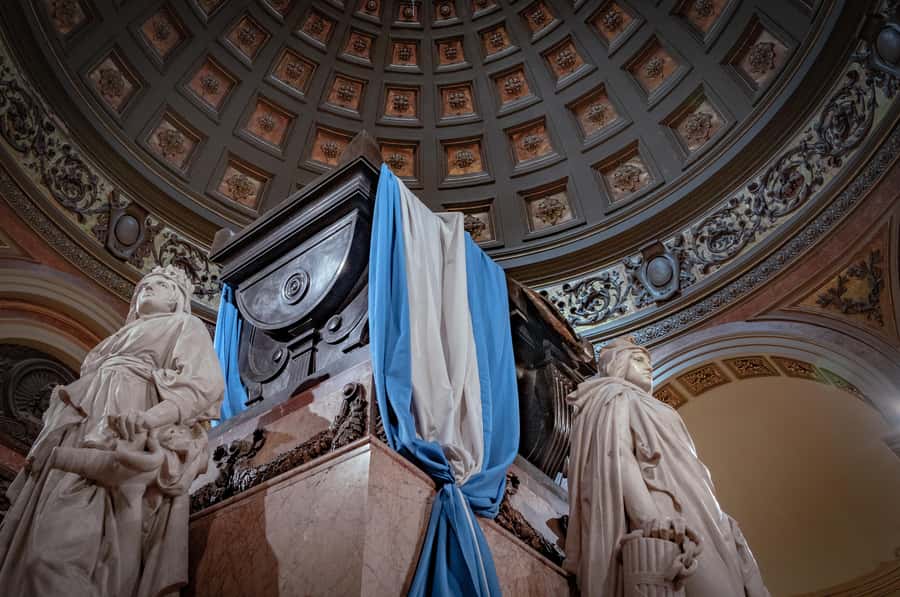
This is a useful first-day tour because it puts the city’s political, religious, colonial, and civic stories in one small area. You are not spending the afternoon crossing Buenos Aires by bus. Instead, you walk between important buildings and see how the city’s past is layered into its present streets.
The route begins at Plaza de Mayo, the natural stage for Buenos Aires history. From here, your guide can point out the buildings that frame the square and explain why it remains one of Argentina’s most important public spaces.
I like this format for visitors who want orientation without committing to a full-day excursion. You get a concentrated look at central Buenos Aires, then have the rest of the day to return to the places that caught your attention.
The tour lasts 150 minutes, or two and a half hours. That is long enough for real explanation, but short enough to fit around lunch, an evening reservation, or another city visit. The pace includes several photo stops and visits, so expect a walking lesson rather than a slow architectural stroll.
More Historical Tours in Buenos Aires
- Nazis in Buenos Aires: a historical walking tour
★ 4.9 · 193 reviews - San Telmo: Historical Guided Tour with Street Food & Drinks
★ 5.0 · 87 reviews - Buenos Aires: La Boca Art and History Walking Tour
★ 4.8 · 55 reviews
Starting near the Plaza de Mayo flagpole
Meet your guide near the flagpole in Plaza de Mayo. Arrive with enough time to locate the meeting point, since the square has several notable features and can feel spread out when you are looking for one person.
The plaza is surrounded by some of the city’s most important buildings. It is also the best place to begin understanding how Buenos Aires developed as a center of government and public life.
Your guide sets the stage here before leading you toward Casa Rosada. This opening works well because you see the political heart of the city before examining the individual institutions around it.
The setting is open and exposed, so check the forecast before leaving. A hat, sunscreen, and water are sensible, especially on a hot day. The tour runs outdoors for much of its length, and comfortable walking shoes are more important than stylish ones.
Casa Rosada and the political heart of Argentina
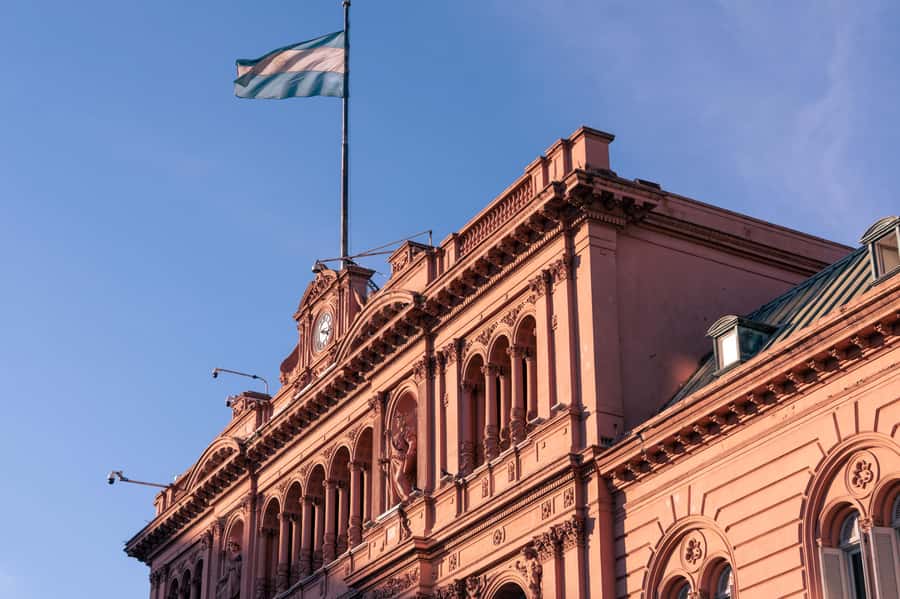
Casa Rosada is one of the easiest Buenos Aires buildings to recognize, with its distinctive pink exterior facing Plaza de Mayo. The stop is listed as a photo stop and guided visit of about 10 minutes, so expect an exterior-focused introduction rather than a long interior tour.
This is a good example of why a guide helps. A quick photograph tells you what the building looks like. An explanation connects it to Argentina’s presidents, public gatherings, and the wider role of Plaza de Mayo.
You should keep your expectations clear here. The schedule gives Casa Rosada a short stop, so you will not have time for an exhaustive look at every detail. The reward is efficient context and a strong photograph without allowing one building to take over the whole route.
From Casa Rosada, the tour continues through a district where grand government offices, old religious buildings, museums, and public squares sit close together. That change of scenery is part of the appeal.
The Garay Monument and Buenos Aires’ second founding
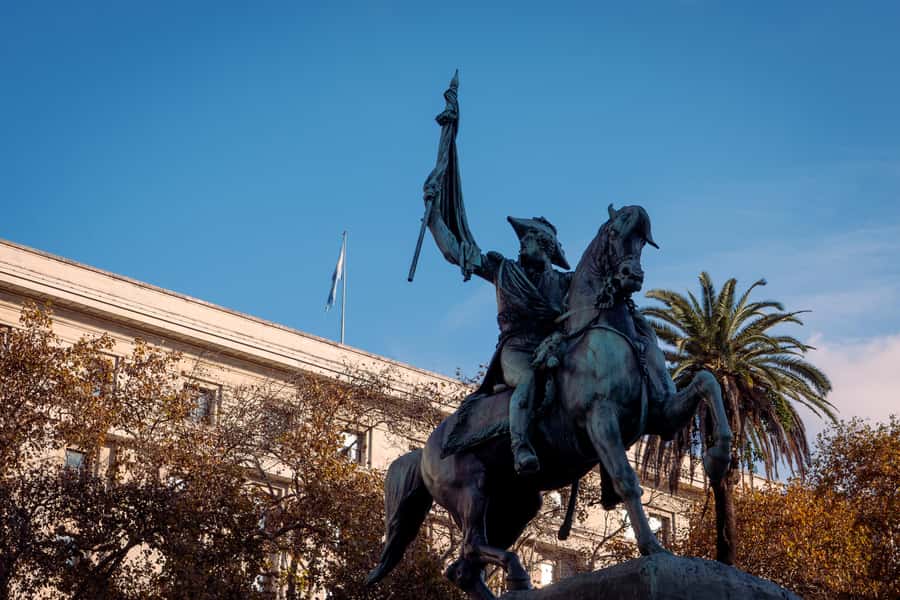
The Monumento a Juan de Garay receives about 10 minutes for explanation and photographs. It marks the site associated with the second founding of Buenos Aires, an important detail that can be easy to miss if you simply walk through the area on your own.
The monument sits near the Cultural Center, formerly a grand post office palace. This location also offers a broad view toward the historic center, giving you a useful pause between buildings.
I like this stop because it adds a layer beyond the standard Casa Rosada photograph. You are not just ticking off famous sights. You are also hearing how the city’s beginnings were remembered and marked in public space.
The stop is brief, so listen closely and ask questions while your guide is explaining the site. Miguel has been praised for answering questions, adjusting his explanations, and bringing a personal feel to the walk. One booking even included an introduction to drinking mate, a small local touch that can make a standard city tour feel more connected to daily Argentine culture.
more Buenos Aires days to weigh up
- Recoleta Cemetery – Small Group Tour of History & Secrets
★ 5.0 · 53 reviews - Buenos Aires: San Telmo, History, Bars, and Tango!
★ 5.0 · 24 reviews - Buenos Aires: Historic District Private Guided Walking Tour
★ 4.7 · 9 reviews - Buenos Aires: Culture and History Private Tour
★ 5.0 · 6 reviews
The Bicentennial Museum and presidential objects
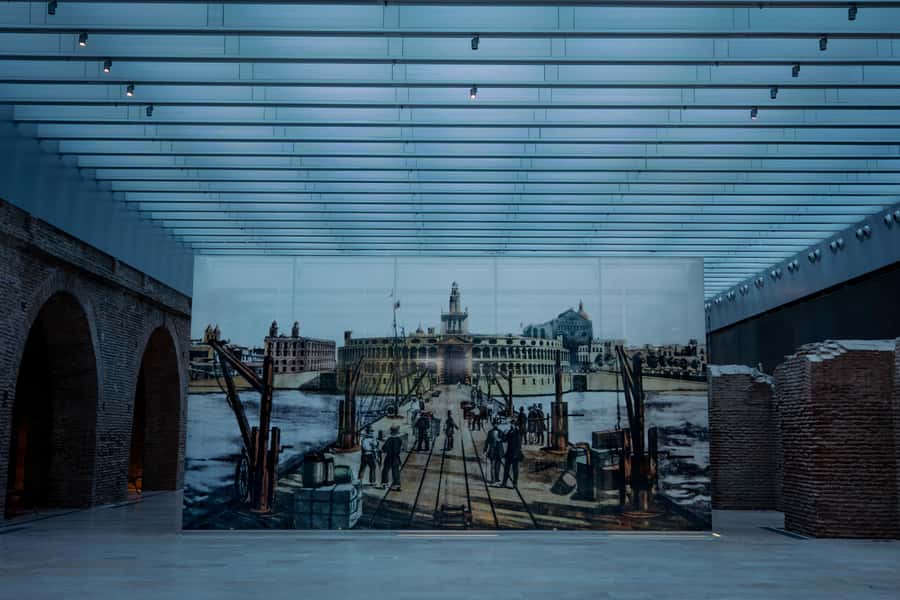
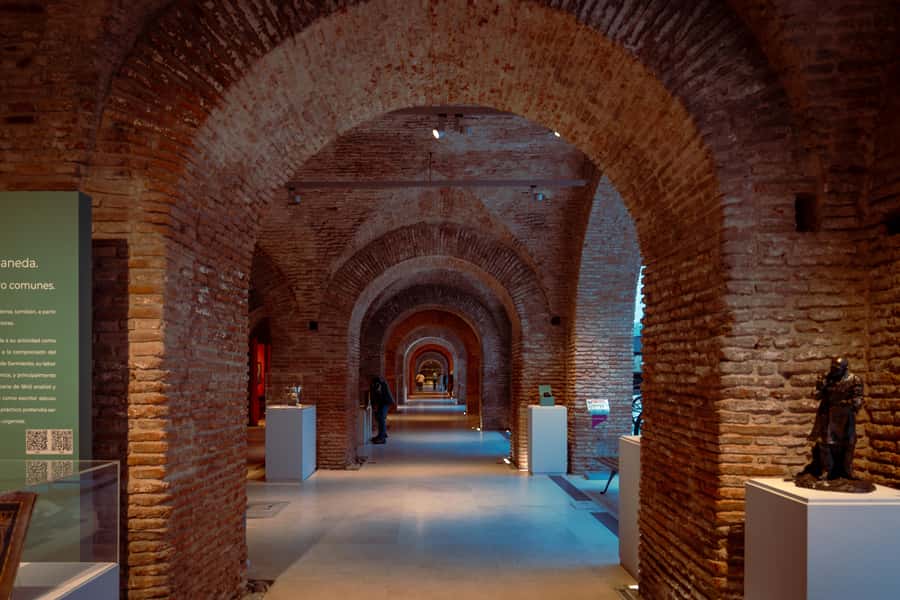
The Museo del Bicentenario is scheduled for about 20 minutes. It houses objects connected with past presidents and displays notable works of art, giving you a chance to move from open-air monuments into a more focused museum setting.
This is one of the route’s most useful stops for putting names and events into order. Political buildings can look impressive without making sense. Museum objects give you something concrete to connect with the stories your guide has been telling outside.
Twenty minutes is enough for a guided introduction, not a full museum study. If you are an enthusiastic museum visitor, you may want to return independently later. For a first visit, the shorter stop keeps the tour moving and prevents the afternoon from becoming a single indoor visit.
The museum also balances the outdoor sections. If the sun is strong, this pause can be welcome. Still, do not count on the entire tour being indoors. Much of the route remains on foot and outside.
Inside the Metropolitan Cathedral
The Buenos Aires Metropolitan Cathedral receives about 20 minutes for a visit, guided explanation, and sightseeing. Its importance is both religious and civic, and the interior gives the route a different mood after the government buildings around Plaza de Mayo.
A guided visit helps you notice details you might otherwise pass without understanding. The Cathedral is not just another grand building on the square. It is part of the city’s public identity and a key stop in the story of Argentina’s capital.
This is a good place to slow down and look carefully. The schedule allows more time here than at Casa Rosada, which suggests that the tour aims to give you a proper look rather than only a quick exterior photograph.
As with any active place of worship, keep your voice and clothing respectful. The provided information does not specify a dress code, so the practical advice is simple: dress for the weather, but use ordinary courtesy inside.
Cabildo, the city’s colonial chapter
The Cabildo of Buenos Aires is another 20-minute visit. This historic building now functions as a museum preserving the story of Buenos Aires and the Argentine nation.
The Cabildo is especially useful because it shifts the focus away from modern government and toward the city’s colonial era. After seeing presidential and national institutions, you get a closer look at an older civic center.
I appreciate the balance in this part of the route. Casa Rosada represents the modern political image of Buenos Aires, while the Cabildo helps explain the earlier city beneath it. The two stops make more sense together than either would on its own.
You will have time for photographs and a guided look, but not an unlimited museum visit. If you want to read every display, note the museum for a separate return. During the tour, concentrate on the building’s role and the main points your guide highlights.
City Legislature and the city’s changing architecture
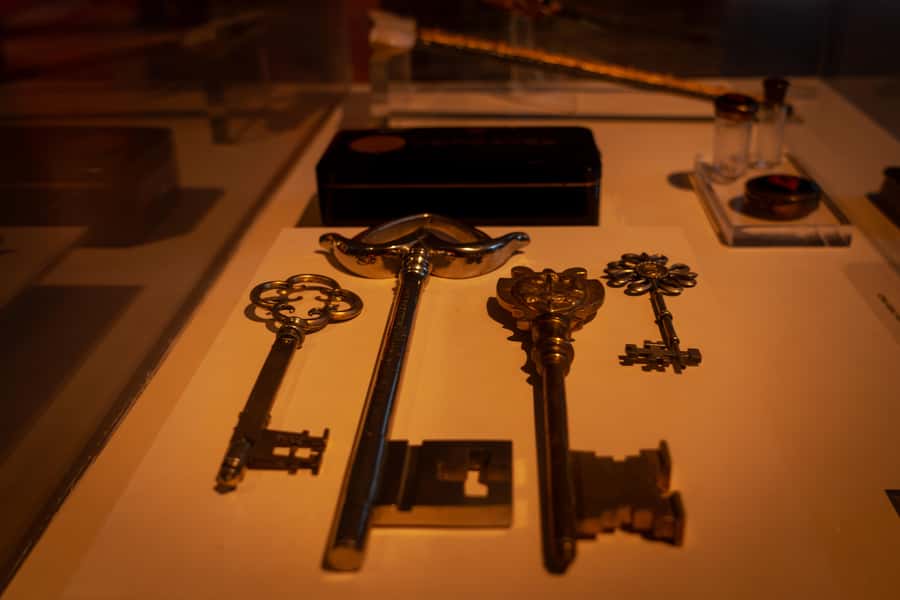
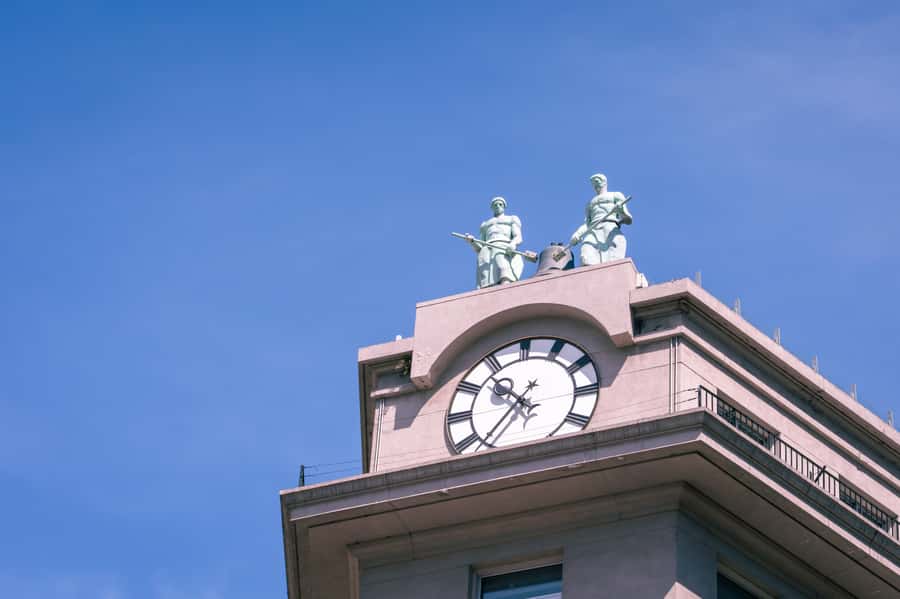
The City Legislature is included among the major sights, known for its mix of architectural styles and tall clock. The building is a useful reminder that Buenos Aires does not fit into one neat visual category.
Here, look up. The clock tower and the changing architectural details reward attention, even during a short exterior stop. A guide can point out why the building looks different from the colonial Cabildo or the government buildings around Plaza de Mayo.
This section of the walk is valuable for readers who enjoy cities as built environments. You are seeing political power expressed through different periods and styles, not just collecting photographs of famous facades.
The schedule does not assign a separate timed stop to every building mentioned in the broader route, so the exact amount of time at the Legislature may vary. Think of it as part of the connected walking commentary rather than a guaranteed interior visit.
Manzana de las Luces and the oldest layers of the city
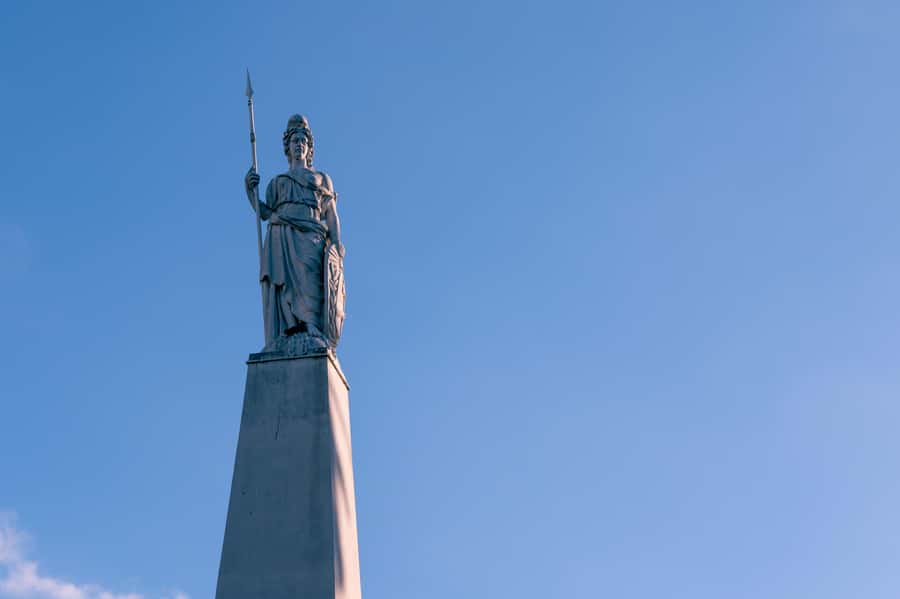
Manzana de las Luces is one of the final listed stops and receives around 20 minutes for a guided visit and photographs. Its name refers to a block associated with intellectual and educational life, and it forms an important contrast with the formal government buildings nearby.
This is the kind of place where a guide adds real value. The exterior may not explain why the block matters, but the stories tied to its institutions and buildings help you read the city more closely.
The stop also gives the route a strong sense of progression. You begin with the country’s political center and finish among older structures connected with learning, religion, and public life.
The broader route concludes around the National Customs House and Comic Strip Plaza. These final sights widen the tour beyond Plaza de Mayo and keep the ending from feeling like a simple return to the starting point. Since the detailed timed list focuses on the main central stops, ask your guide about the exact closing point on the day.
What Miguel adds to the walk
The strongest feature of this tour is the guide’s approach. Miguel is repeatedly described as friendly, flexible, and deeply familiar with Buenos Aires history. He has also been praised for listening to questions and taking care of the group during the walk.
That does not mean you should book blindly in English. The advertised language is Spanish. However, Miguel has adapted his explanations for visitors who did not speak Spanish well, and one English-speaking participant said he switched to English after a booking mistake. Treat that as a helpful possibility, not a promise of an English-language departure.
The personal quality matters because this route contains many names, dates, and institutions. A dry list can blur together. A guide who explains connections and responds to your questions makes the same buildings far easier to remember.
The mate demonstration mentioned by one participant is another example of what can make a local guide useful. It is not listed as a guaranteed part of every departure, but you might find the conversation moves beyond formal history into Argentine habits and culture.
Is $20 a fair price?
At $20 per person, this is a strong-value introduction to central Buenos Aires. You receive 150 minutes with a live guide and visits or guided explanations at several major sites. There is no hotel pickup, food, or drink, but that is reasonable for a walking tour concentrated around Plaza de Mayo.
The value is highest if you are new to Buenos Aires and want a framework for independent exploring. You can learn which buildings matter, understand the basic sequence of the city’s development, and decide where to spend more time later.
The price is less compelling if you already know the central landmarks well or prefer to examine museums at your own pace. A two-and-a-half-hour group walk cannot replace a full museum afternoon or a specialist architecture tour.
Still, the mix of outdoor landmarks, indoor museum time, and local stories gives you more than a basic plaza walk. For a modest cost, you get an efficient first look at the city’s central institutions.
Walking conditions, language, and who should book
Plan for a significant amount of walking. Wear comfortable shoes, bring water, and use sunscreen and a hat in sunny weather. Check the forecast because the tour takes place outdoors for much of its route.
This activity is not suitable for wheelchair users or people with mobility impairments. The supplied information does not give a group size, transport arrangement, or hotel pickup option, so you should plan to reach Plaza de Mayo independently and expect to stay on foot.
I would choose this tour if you want history explained in person, enjoy asking questions, and can follow Spanish. It also suits visitors who prefer a short introduction before exploring the city alone.
I would be more cautious if you need guaranteed English, have difficulty walking for two and a half hours, or want extended time inside each museum. In those cases, the language and physical demands are real considerations, not minor details.
Should you book the Historic Buenos Aires Landmarks and Icons Tour?
Book it if you want a well-priced orientation to the political and historic center, especially with Miguel as your guide and Spanish conversation within your comfort zone. The route is focused, the landmarks are important, and the combination of Casa Rosada, Plaza de Mayo, the Cathedral, Cabildo, the Bicentennial Museum, and Manzana de las Luces gives you a solid first picture of Buenos Aires.
Before paying, confirm the tour language and your meeting arrangements. Bring water and good shoes, and do not expect a fully accessible route or a deep visit to every museum. If those limits suit you, this is a practical way to get your bearings and begin exploring the city with more understanding.
FAQ
Where does the tour begin?
The tour begins at Plaza de Mayo. Meet your guide near the flagpole.
How long does the tour last?
The tour lasts 150 minutes, or two and a half hours.
What language is the tour in?
The live tour guide speaks Spanish. Miguel has adapted explanations into English for some visitors, but English is not the listed tour language.
What landmarks are included?
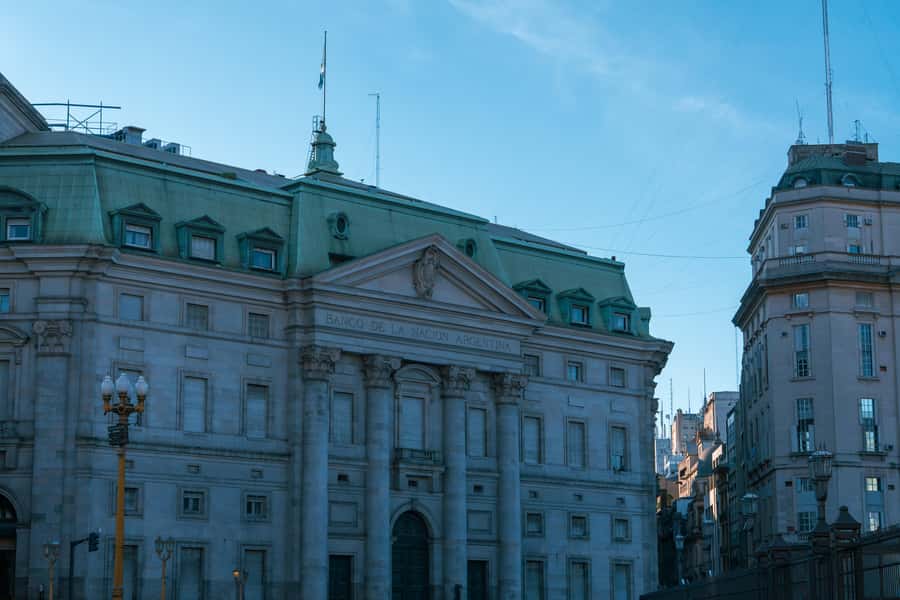
The route includes Casa Rosada, the Monumento a Juan de Garay, the Bicentennial Museum, Buenos Aires Metropolitan Cathedral, Cabildo of Buenos Aires, and Manzana de las Luces. The broader route also includes the Central Bank, Cultural Center, City Legislature, Ministry of Defense building, National Customs House, and Comic Strip Plaza.
Is hotel pickup included?
No. Hotel pickup and drop-off are not included. You must make your own way to the meeting point at Plaza de Mayo.
What should I bring?
Bring comfortable walking shoes, a hat, sunscreen, and water. Check the weather and dress appropriately because much of the tour takes place outdoors.
Is the tour suitable for wheelchair users?
No. The activity is not suitable for wheelchair users or people with mobility impairments.
Recently added in Buenos Aires
- Buenos Aires: Private City Tour by Car with Hotel or Pickup★ 5.0 · 3 reviews
- Buenos Aires: Montserrat, San Telmo, La Boca, and Puerto …★ 5.0 · 3 reviews
- Guided tour Boca Juniors Museum & Stadium + Caminito★ 3.3 · 3 reviews
- Unique Tigre and Delta Private Day Cruise Navegation★ 5.0 · 3 reviews
- Buenos Aires: MALBA Museo de Arte Latinoamericano Tour★ 4.1 · 3 reviews
- Tango Show at: MichelAngelo★ 4.5 · 3 reviews
- Buenos Aires: Mate Workshop y Otras Yerbas★ 5.0 · 3 reviews
- From Colonialism to Eclecticism, Buenos Aires arquitectonica★ 5.0 · 3 reviews
Buenos Aires Tours, compared.

Buenos Aires: Piazzolla Tango Show with Optional Dinner
Read our review →
Buenos Aires: City Highlights Guided Tour with Transfer
Read our review →
Buenos Aires: La Boca Guided Walking Tour in English
Read our review →
Buenos Aires: La Recoleta Cemetery Guided Tour in English
Read our review →
Buenos Aires: Tango Show at Tango Porteño & Optional Dinner
Read our review →
Buenos Aires: 9-Course Argentine Meat Tasting at Fogón Asado
Read our review →

Buenos Aires: Madero Tango Show with Optional Dinner
Read our review →Browse the lists this tour appears in