
Reviewed · BUENOS AIRES TOURS
Temaiken Biopark Entry Tickets
Temaiken Biopark is more than a zoo. Across 178 acres of parkland, you move from Argentine wetlands and Patagonian habitats to African animals, Asian species, botanical gardens, and an aquarium with sharks. I like the way the park connects animals with their natural settings, and I like that the visit can fill a full day without feeling like a quick stop between Buenos Aires sights.
I also like the strong focus on native Argentine wildlife, especially the Mesopotamian section with yacarés, tapirs, capybaras, and lagoon turtles. The main caution is that large, open habitats can make animals harder to spot. One visitor spent time searching for animals that were not visible, though the aquarium was still a highlight. Staff have also earned praise for being helpful, but your separate entry ticket may arrive close to the visit, so check your email and WhatsApp carefully.
Key points to know before you go

- 178 acres give you a full-day outing: Plan on up to eight hours, not a rushed couple of hours.
- Nearly 2,500 birds come from five continents: The bird areas are a major part of the park, not a side attraction.
- Native Argentine wildlife gets real attention: Look for black yacarés, overos, tapirs, capybaras, and lagoon turtles.
- The aquarium breaks up the outdoor walking: Tide pools, rivers, and shark tanks add a different kind of wildlife experience.
- Open habitats can mean empty sightlines: You may not see every animal during your visit.
- Your booking voucher is not the entry ticket: The local provider sends the usable ticket by email or WhatsApp within 24 hours of the activity.
Why Temaiken works as a full-day visit
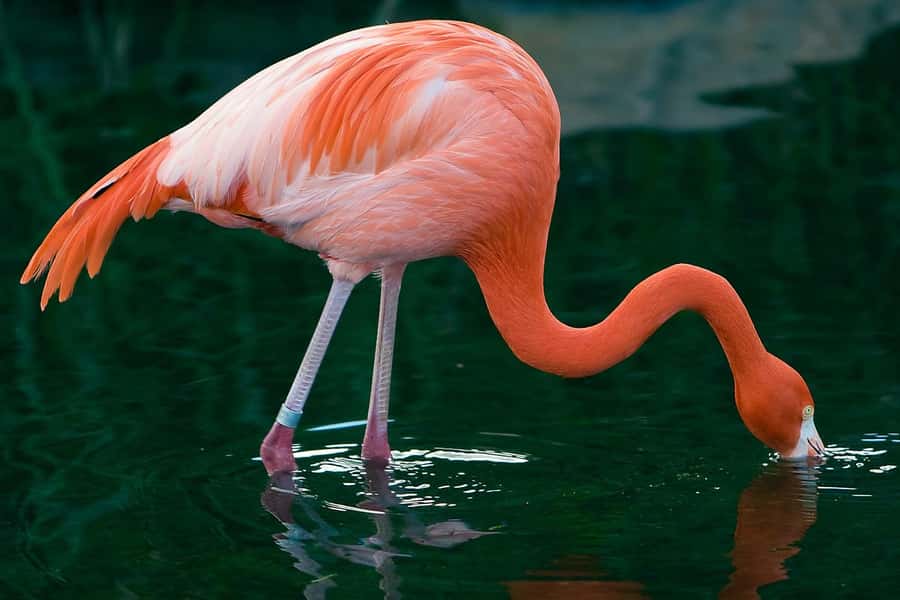
Temaiken Biopark combines four ideas in one large property: a botanical garden, a zoo, an aquarium, and a museum of natural history and anthropology. That mix gives the day some shape. You are not simply moving from cage to cage. You can look at plants, compare regional habitats, watch birds, then head indoors to see aquatic life.
The park covers enough ground to make eight hours a sensible allowance. You can spend time watching animals, reading about conservation, and enjoying the gardens rather than treating the visit as a quick photo stop. If you are traveling with children, the variety helps keep the day moving. If you are an adult who prefers wildlife settings to conventional city attractions, the regional zones give the visit more purpose.
At $33 per person, the ticket is priced like a substantial day attraction rather than a short activity. I think the value is strongest if you use much of the day and take time with several zones. It is less compelling if you only want to see one or two headline animals.
Transport is not included, so you need to arrange your own way to the park from Buenos Aires Province. That matters when you compare the total cost. The ticket itself is straightforward, but the day also requires travel time and planning outside the admission purchase.
more tickets and entries in Buenos Aires
- Buenos Aires: Tickets to Boca Juniors Museum & Stadium
★ 4.5 · 581 reviews - Teatro Astor Piazzolla Skip-the-Line Ticket
★ 4.5 · 367 reviews - Teatro Colon Guided Tour Admission Ticket
★ 4.0 · 208 reviews
Start with Argentina in the Native Zone
The Native Zone is a good place to understand what makes Temaiken different from a standard international zoo. Here, the focus is on the flora and fauna of Buenos Aires and nearby parts of Argentina.
You can expect to learn about local plant life alongside native animals. That regional focus gives the park an educational edge. Instead of seeing only famous species from faraway continents, you get a clearer picture of the wildlife found in the country you are visiting.
The section also sets up the later regional exhibits. You begin with the idea that animal habitats are tied to climate, water, plants, and geography. That makes the park feel less like a collection of unrelated displays.
The main limitation is that the supplied information does not identify individual exhibits, feeding times, or scheduled talks. Plan for a self-guided visit rather than expecting a named guide or a fixed tour route. Helpful staff may be available when you need assistance, but no guide is listed as part of the ticket.
Meet wetland wildlife in the Mesopotamian Fauna area
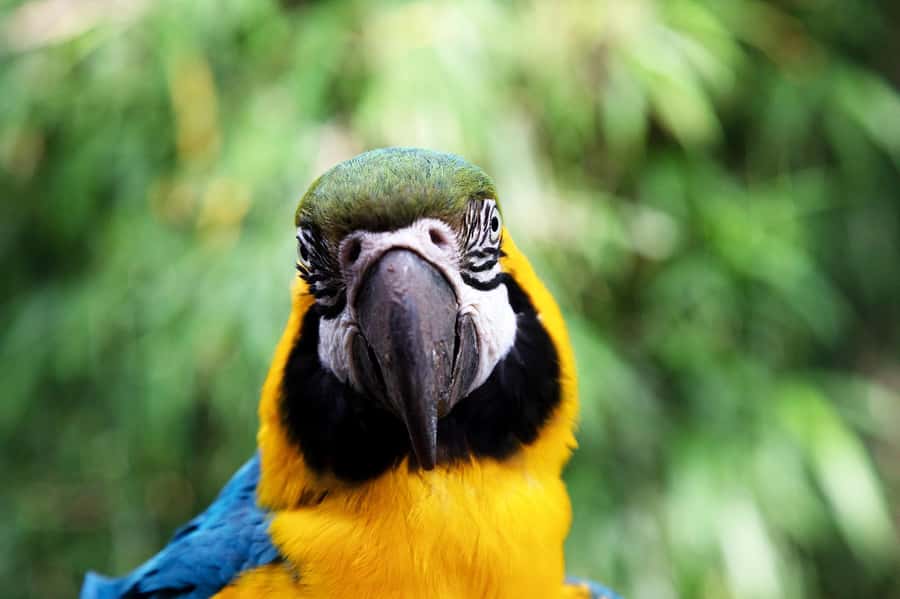
The Mesopotamian Fauna section brings the wetlands of northeastern Argentina into the park. Its animal list is one of the most distinctive parts of the visit.
Look for black yacarés and overos, two kinds of caiman, along with tapirs, capybaras, and lagoon turtles. These animals help explain the importance of rivers, marshes, and shallow water habitats in the region.
Capybaras are an easy favorite, but the less familiar species are just as valuable. The yacarés connect the display to South American wetland ecosystems, while tapirs show how much larger and stranger native wildlife can be than the animals most often featured in tourist brochures.
This is also an area where patience helps. In a natural-looking habitat, animals may rest, hide, or remain in the water. You should not assume that every enclosure will deliver an instant close-up view. The design gives animals room, but that same space can make sightings less predictable.
Follow the route from the Andes to Patagonia
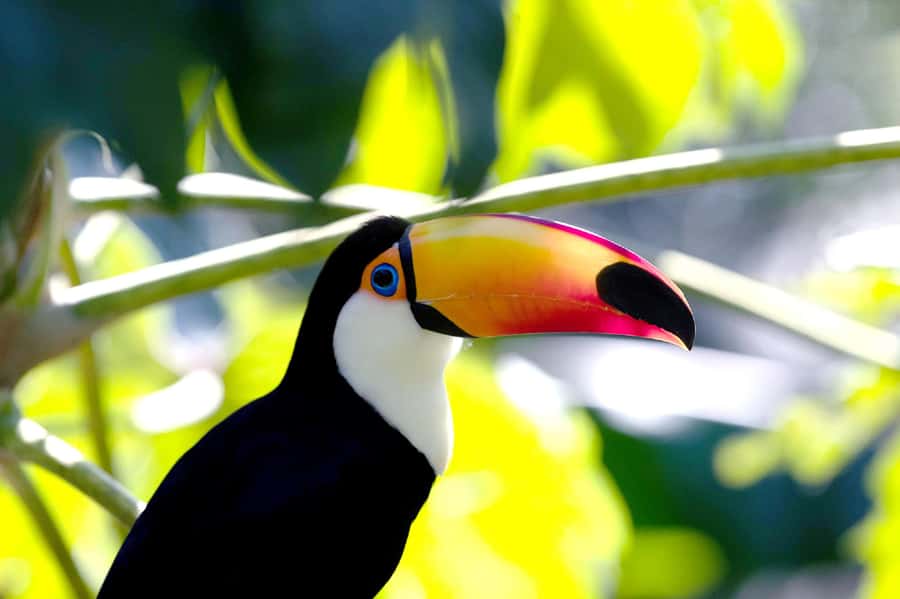
The Patagonia Fauna area recreates settings that stretch from the Andes Mountain Range to the Atlantic coast. That is a broad geographic sweep, and the point is to show how different environments shape the animals that live in them.
This part of the park works best when you slow down and treat it as a regional story rather than a checklist. Patagonia is often imagined as one empty, windswept place, but the area between mountain and coast contains varied habitats. The display gives you a way to think about those changes while staying within one park.
The information provided does not list every species in this section, so I would not book the attraction based on a particular Patagonian animal. Book it for the chance to see Argentina’s environments represented together, then take the exhibits as they come.
Completely different, still leaving from Buenos Aires:
- Buenos Aires Hop-On Hop-Off Bus, Free Walking Tours & Discounts
★ 4.5 · 2,218 reviews - Buenos Aires: Piazzolla Tango Show with Optional Dinner
★ 4.4 · 2,122 reviews - Buenos Aires: City Highlights Guided Tour with Transfer
★ 4.7 · 1,946 reviews - Buenos Aires: Hop-On Hop-Off City Bus Tour
★ 4.2 · 1,855 reviews
Watch the African Zone and its island habitats
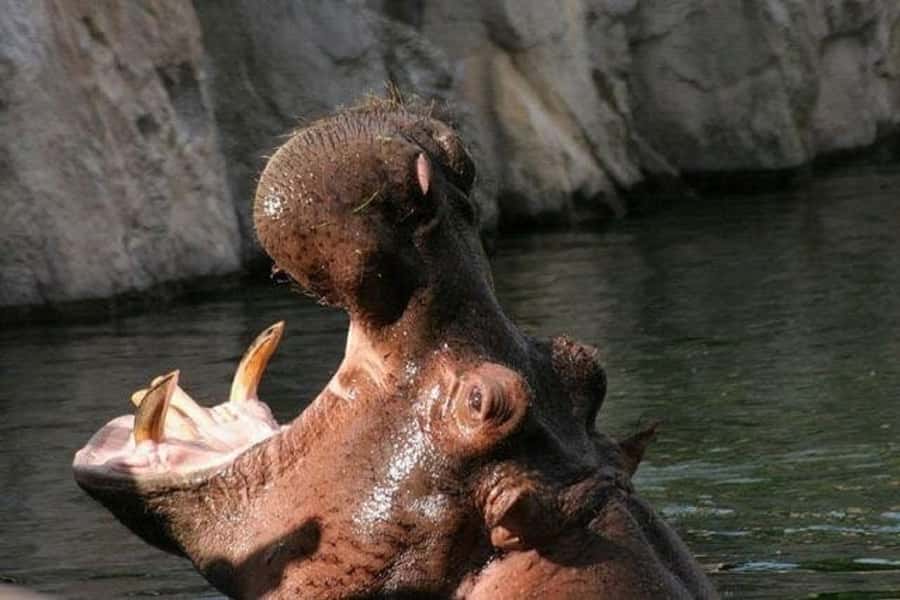
The African Zone changes the pace with flamingos, pelicans, antelopes, and meerkats. Birds are a major part of the park overall, with almost 2,500 birds from five continents, so this area is not just a warm-up for the mammals.
Flamingos and pelicans make strong visual displays, while meerkats bring plenty of movement to the animal route. Antelopes add a wider sense of African wildlife beyond the species most people already know.
The park also includes three islands featuring lemurs, hippos, cheetahs, and zebras. These islands sound like some of the most memorable stops, but they also illustrate the tradeoff between spacious habitats and guaranteed sightings. You may see an animal in a pleasing, natural setting, or you may find an empty stretch of grass and need to wait.
A useful mindset is to treat the park as a place for observation, not a stage arranged for constant action. If you need to see every named species, you could leave disappointed. If you enjoy scanning habitats and noticing birds, movement, and plant life, the open design becomes part of the appeal.
See tigers, bats, and flying foxes in the Asian Zone

The Asian Zone brings a different group of animals, including tigers, bats, flying foxes, and squirrels. It adds variety after the South American and African sections, and it gives you another chance to compare how the park presents different world regions.
The tiger habitat is likely to draw the biggest crowd, but the bats and flying foxes provide a useful change from the usual large-mammal stops. Flying foxes are especially interesting because they challenge the common idea that all bats are tiny, dark, and hard to see. The park includes them as part of a wider look at Asian wildlife.
Again, sightings are not guaranteed. The spacious approach may leave you searching, especially for animals that rest during the day or stay away from the main viewing area. Build in enough time so that a quiet enclosure does not derail your schedule.
Save time for the aquarium
The aquarium is one of the strongest reasons to make the trip, especially if you are visiting with someone who needs a break from walking outdoors. It presents tide pools, rivers, and underwater habitats, then brings you to tanks with sharks.
The change from open-air animal areas to underwater displays gives the day a welcome pause. You can focus on movement below the surface rather than scanning distant grass or shaded shelters. One visitor who found some land animals difficult to spot still found the aquarium well done and enjoyable, which matches its role as a dependable part of the visit.
The aquarium also broadens the park’s conservation message. Tide pools and rivers support different forms of life, and the displays help connect small aquatic environments with larger underwater systems. The information supplied does not list every fish or tank, so I would come for the overall aquatic section and shark viewing rather than a particular species.
If you have limited time, do not leave the aquarium until the final few minutes. The park is large, and it would be easy to run out of energy or daylight before reaching it.
Birds, gardens, and the quieter side of the park
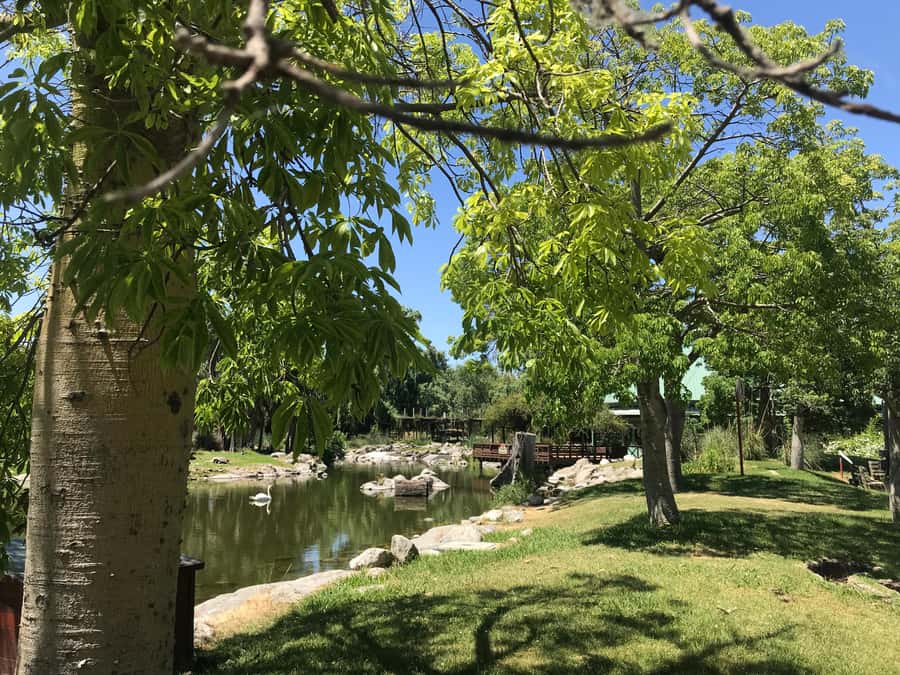
The plant collections are not filler between animal zones. Temaiken includes botanical gardens with a wide range of flora, and those gardens help make the habitats feel more connected to the natural world.
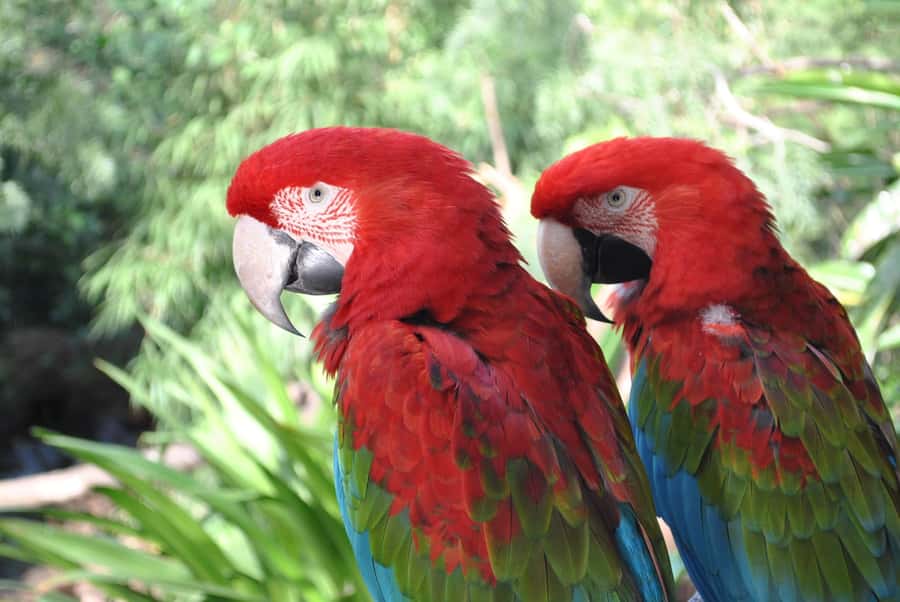
The bird collection is another major strength. Nearly 2,500 birds from five continents means you can expect plenty of variety, from water birds in regional settings to species connected with the African and Asian zones. Bird watching also gives you something to enjoy when larger animals are resting or out of sight.
I would set aside time simply to walk through the gardens. The experience is not only about finding the biggest animal. Plants, shade, water, and the layout of each region help explain why the habitats look and function as they do.
The park’s broad mix also suits people with different interests. One person can focus on tigers and sharks, while another spends time with birds, gardens, or native Argentine species. That flexibility is a real advantage for families and mixed-interest groups.
What the $33 ticket includes, and what it does not

The admission price is $33 per person. It covers entry to Temaiken Biopark, including the zoo areas, botanical gardens, aquarium, and the park’s natural history and anthropology component.
The value depends on how you use the day. For eight hours of access to several types of attraction, the price is reasonable if you enjoy wildlife and outdoor spaces. The park gives you more variety than a small urban zoo, and the regional sections add a clear educational purpose.
You still need to pay for your own transport to and from the park. No transport service is included, and there is no named guide included in the activity. This is an entry ticket, so you should think of it as a self-paced day rather than a guided excursion.
The park is wheelchair accessible, which is useful for visitors who need an accessible attraction. The information provided does not describe specific routes or facilities, so you may want to confirm any detailed access needs before setting out.
Ticket timing and the detail that can cause trouble
Bring your passport or ID card. A printed voucher is required, but your GetYourGuide voucher itself is not valid for entry.
The local provider, Grupo Summa, sends the actual tickets by email or WhatsApp within 24 hours before the activity. This is important. Keep checking both channels, and do not assume the first booking confirmation is the ticket you show at the entrance.
One booking experience involved tickets arriving only at the last moment after considerable fuss. That does not mean your ticket will be late, but it does mean you should watch for it and leave enough time to contact the provider if nothing arrives.
You can cancel up to 24 hours in advance for a full refund. Check the available starting times when booking, since the activity is listed as an eight-hour visit but does not provide one fixed start time in the information supplied.
Who should book Temaiken Biopark?
I would recommend Temaiken to you if you enjoy spending a full day outdoors and want more than a row of animal enclosures. It suits families, bird lovers, people interested in Argentine wildlife, and anyone who likes combining gardens, animals, and an aquarium in one outing.
It is also a good choice if you have already seen Buenos Aires’ central sights and want a change of pace. The park gives you room to slow down, though you must account for the journey because transport is not included.
I would be more cautious if your main goal is guaranteed close views of tigers, cheetahs, or other large animals. The natural habitats are attractive, but animals may be hidden or far from the viewing areas. The aquarium offers a more reliable highlight, and the native wildlife zones give the visit a stronger local identity.
Should you book this Buenos Aires day out?
Book it if you can spare most of a day, appreciate spacious animal habitats, and want to see Argentina’s wildlife alongside species from Africa and Asia. At $33, the ticket offers solid value for a large, varied park, especially when you include the aquarium and gardens rather than judging the day by mammal sightings alone.
Skip it if you only have a few free hours or need a tightly timed, guided experience. Remember that you arrange transport yourself, and make sure the separate entry ticket arrives before you travel. For the right visitor, Temaiken is a thoughtful wildlife outing with helpful staff, strong native species sections, and an aquarium that can rescue the day when the bigger animals decide to hide.
FAQ
How long does a visit to Temaiken Biopark last?
The listed duration is eight hours. Check availability when booking for the available starting times.
What does the Temaiken ticket include?
The ticket includes admission to Temaiken Biopark. The park combines a botanical garden, zoo, aquarium, and museum of natural history and anthropology.
Is transport to Temaiken Biopark included?
No. Transport to and from the park is not included in the admission ticket.
What animals can I see at the park?
The listed animals include tigers, hippos, cheetahs, zebras, bats, meerkats, flamingos, pelicans, antelopes, lemurs, yacarés, tapirs, capybaras, lagoon turtles, squirrels, and flying foxes. The park also has almost 2,500 birds from five continents.
Do I need to bring identification?
Yes. Bring your passport or ID card.
Is the GetYourGuide voucher valid for entry?
No. A printed voucher is required, and the local provider sends the actual entry tickets by email or WhatsApp within 24 hours before the activity.
Recently added in Buenos Aires
- Buenos Aires: Private City Tour by Car with Hotel or Pickup★ 5.0 · 3 reviews
- Guided tour Boca Juniors Museum & Stadium + Caminito★ 3.3 · 3 reviews
- Buenos Aires: Montserrat, San Telmo, La Boca, and Puerto …★ 5.0 · 3 reviews
- Buenos Aires: MALBA Museo de Arte Latinoamericano Tour★ 4.1 · 3 reviews
- Unique Tigre and Delta Private Day Cruise Navegation★ 5.0 · 3 reviews
- Tango Show at: MichelAngelo★ 4.5 · 3 reviews
- Buenos Aires: Mate Workshop y Otras Yerbas★ 5.0 · 3 reviews
- From Colonialism to Eclecticism, Buenos Aires arquitectonica★ 5.0 · 3 reviews
Buenos Aires Tours, compared.

Buenos Aires: Piazzolla Tango Show with Optional Dinner
Read our review →
Buenos Aires: City Highlights Guided Tour with Transfer
Read our review →
Buenos Aires: La Boca Guided Walking Tour in English
Read our review →
Buenos Aires: La Recoleta Cemetery Guided Tour in English
Read our review →
Buenos Aires: Tango Show at Tango Porteño & Optional Dinner
Read our review →
Buenos Aires: 9-Course Argentine Meat Tasting at Fogón Asado
Read our review →