
Reviewed · BUENOS AIRES TOURS
Buenos Aires: Chacarita, The Largest Cemetery In Argentina
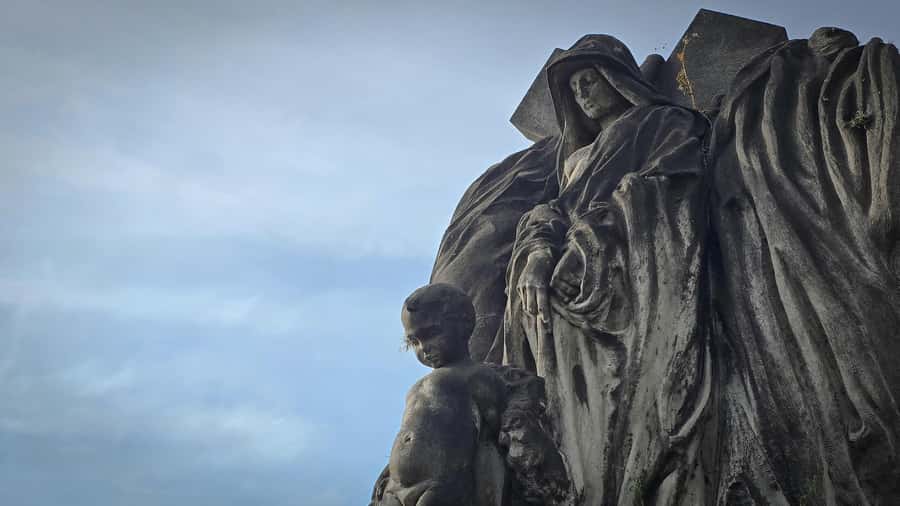
Chacarita Cemetery is not just a place of graves. It is a small city of mausoleums, chapels, sculptures, national memories and famous names. This three-hour walking tour takes you from Carlos Gardel, the voice of tango, to Gustavo Cerati, one of Argentina’s best-known rock musicians, then across to the British and German cemeteries.
I like the small group of six or fewer, which gives guide Miguel room to answer questions and adjust his pace. I also like the range of stories, from tango and cinema to poetry, sport, war memorials and immigrant communities. The main drawback is practical: the tour is in Spanish and involves a good deal of walking, so it is not suited to wheelchair users or people with mobility impairments.
Key points at a glance
- Carlos Gardel and Gustavo Cerati: Meet the final resting places of two major figures in Argentine music, from classic tango to modern rock.
- A broad cast of Argentine names: The route also includes Luis Sandrini, Osvaldo Pugliese, Alfonsina Storni, Jorge Newbery and Gilda.
- Three distinct cemetery traditions: Chacarita, the Commonwealth War Graves site and the German Cemetery each offer a different visual and cultural setting.
- Small-group attention: No more than six people join the walk, making it easier to ask questions and follow Miguel’s explanations.
- A Spanish-language experience: Miguel speaks Spanish slowly and patiently when needed, which can help learners follow along.
- Good value at $20: Three hours of guiding and several separate cemetery areas make this a strong low-cost choice for visitors interested in Argentine culture.
Why Chacarita is worth your time
Many people first think of Buenos Aires cemeteries through Recoleta, with its famous mausoleums and Evita connection. Chacarita offers a different experience. It is Argentina’s largest cemetery, and its scale lets you see how public memory works across many parts of the country.
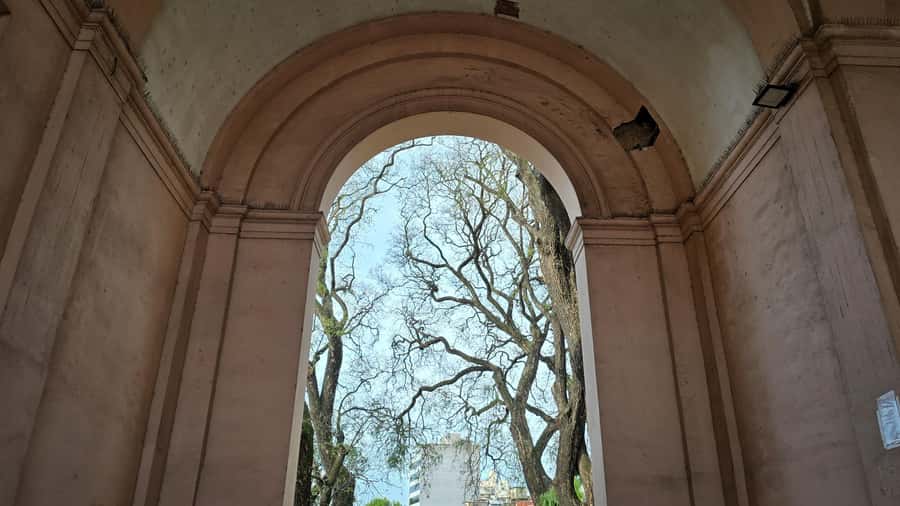
The attraction is not only the people buried here. You also get architecture, sculpture, religious spaces and the marks left by different communities. Some areas feel formal and monumental. Others are quieter and more personal. The tour helps connect those visual details to the names and stories behind them.
I would choose this experience if you want more than a quick photograph at a famous grave. The route is built around people who shaped Argentine music, film, poetry, aviation, sport and popular culture. You are not simply ticking off celebrity names. You are seeing the range of figures a country chooses to remember.
The guide matters here. A cemetery can be confusing without context, especially when many mausoleums look impressive but their stories are not obvious. Miguel’s role is to explain the people, point out important sites and keep the group moving through a large complex without losing the thread.
Other Buenos Aires days worth putting on the same trip:
- Buenos Aires Hop-On Hop-Off Bus, Free Walking Tours & Discounts
★ 4.5 · 2,218 reviews - Buenos Aires: Piazzolla Tango Show with Optional Dinner
★ 4.4 · 2,122 reviews - Buenos Aires: City Highlights Guided Tour with Transfer
★ 4.7 · 1,946 reviews
Starting at the main door
You meet at the main entrance to Chacarita Cemetery. Arrive ready to walk, with comfortable shoes, water, a hat and sunscreen. The tour lasts three hours and includes a 10-minute pause for the restroom.
The group limit is six people. That is especially useful in a place where you may want to ask about a musician, family name or architectural detail without holding up a large crowd. It also makes the experience feel more like a guided conversation than a standard group lecture.
The tour is conducted in Spanish. If you are learning the language, Miguel may be a good match. Jamie, an English speaker studying Spanish, found Miguel patient and able to speak slowly. That does not turn the tour into an English-language outing, but it does suggest that beginners can ask for a clearer pace.
Rain is another point to consider. The walk can continue in light rain, but you should dress for the forecast and protect your phone or camera. Bring water even if the day looks mild, since the tour takes place outdoors and lasts several hours.
Carlos Gardel, the voice of tango
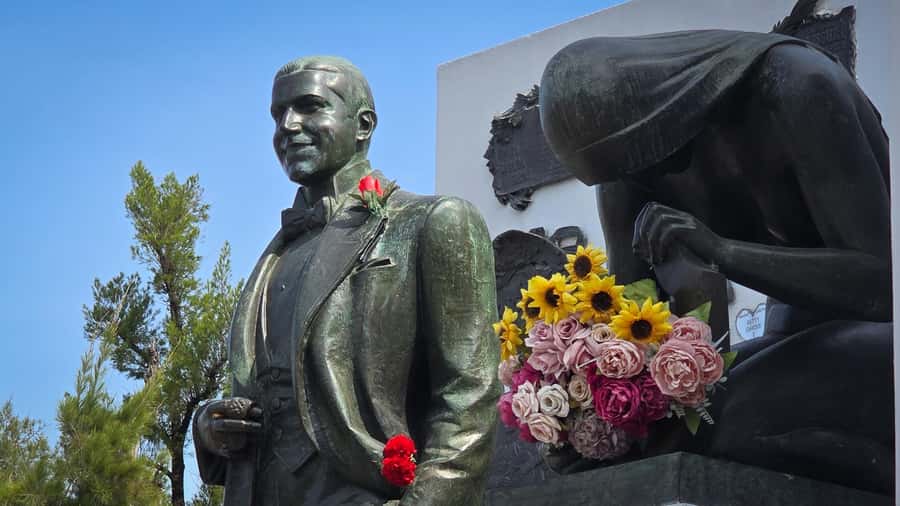
The first major stop is the mausoleum of Carlos Gardel. Gardel is described here as the quintessential voice of tango, and his tomb gives the tour an immediate connection to one of Argentina’s defining cultural forms.
This is a natural place to begin because Gardel’s name reaches far beyond the cemetery. Even if you are new to tango, you will hear his importance in the way the tour presents the site. The stop is scheduled for about 10 minutes, enough time for an explanation and photographs without turning the visit into a long pause.
I appreciate that the tour uses Gardel as part of a wider story rather than treating him as the only name that matters. His mausoleum is one of the headline stops, but the rest of the route shows how Argentine music developed across different generations and styles.
Jorge Newbery and other notable mausoleums
The next stops include the mausoleums of Jorge Newbery and María Salomé Loredo de Subiza. Each receives about 10 minutes of guided attention.
The supplied details do not assign a specific biography to every stop, so I would rely on Miguel’s explanations rather than arrive expecting a fixed story. That is part of the value of a guide in Chacarita. You can see the names and structures yourself, but the meaning of each site depends on the person, period and cultural setting behind it.
These short stops also help keep the three-hour route balanced. You get a steady mix of well-known figures and less familiar names instead of spending the entire walk at only two or three graves. Bring a small notebook if you enjoy recording names, since the route covers many people.
Completely different, still leaving from Buenos Aires:
- Buenos Aires: Hop-On Hop-Off City Bus Tour
★ 4.2 · 1,855 reviews - Buenos Aires Hop-On Hop-Off Bus and Exclusive Benefits
★ 4.4 · 1,714 reviews - Buenos Aires: La Boca Guided Walking Tour in English
★ 4.8 · 1,587 reviews - Buenos Aires: La Recoleta Cemetery Guided Tour in English
★ 4.8 · 1,359 reviews
Gustavo Cerati and Gilda
The tour then turns to two modern musical figures, Gustavo Cerati and Gilda. Cerati’s mausoleum receives around 15 minutes, followed by a similar amount of time at Gilda’s tomb.
This is one of the most interesting changes in tone. Gardel represents classic tango, while Cerati connects the cemetery to Argentine rock and later popular music. Gilda adds another side of the country’s musical life. Together, the stops show that Chacarita is not only a place for figures from Argentina’s older cultural record.
The route also pays homage to other musicians, athletes and public personalities. You may not know every name in advance, but that is not a problem. The tour is designed to introduce you to the people who matter in Argentine memory, not only those already famous abroad.
The music stops are also useful for visitors who do not usually visit cemeteries. They create a clear connection between the physical place and the living culture outside its gates. Songs, films, performances and public affection can all shape how someone is remembered.
The chapel and Panteón VI
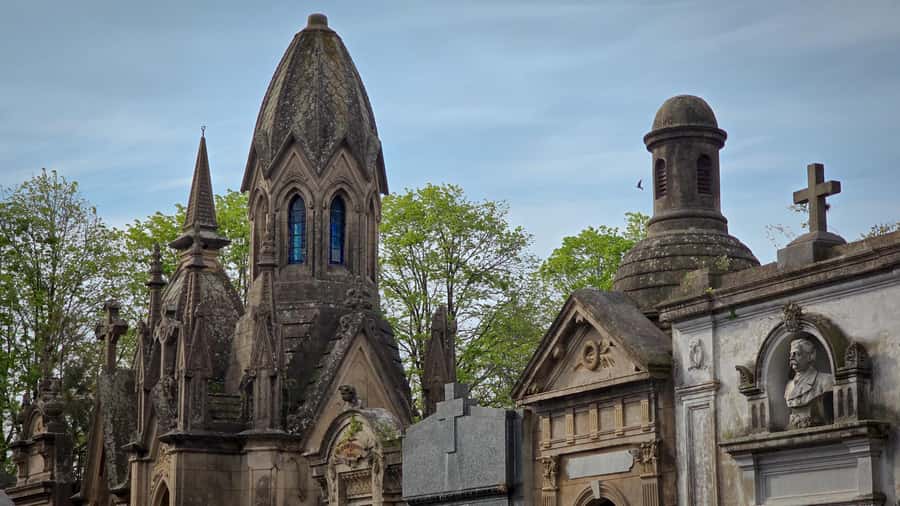
The Chacarita Cemetery chapel is another 10-minute stop. Here the focus shifts from individual tombs to a religious and architectural space. The cemetery’s appeal includes different art styles, monuments and religious buildings, so this pause gives you a chance to consider the setting itself.
Panteón VI receives the longest scheduled visit, about 30 minutes. That makes it a key part of the route. A pantheon can provide a larger view of how public figures, institutions or families are commemorated, and the extra time suggests that there is more to explain here than at the brief mausoleum stops.
You should expect the pace to vary. Some locations are quick orientation points, while others get a fuller explanation. This keeps the walk from becoming repetitive. You are not stopping at every site for the same amount of time, and that helps the guide focus on places with the most to say.
British war graves and the German Cemetery
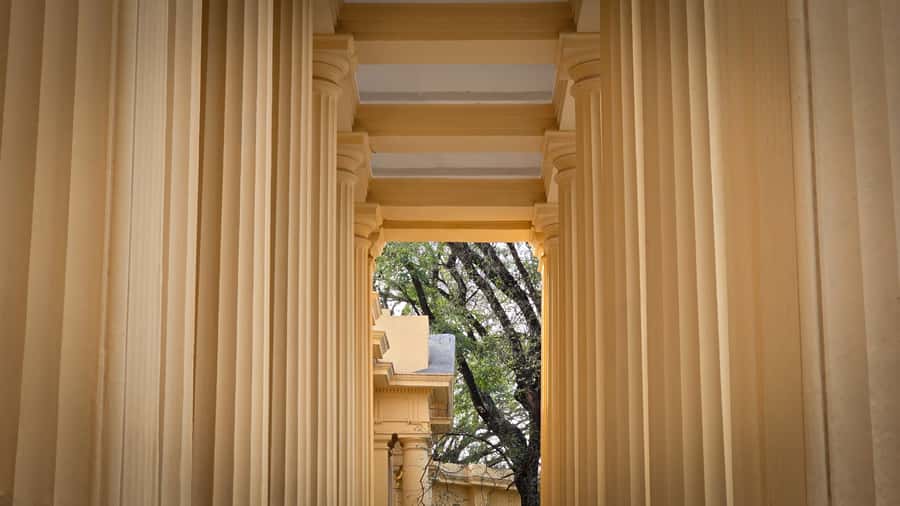
The tour leaves the main Chacarita focus for the Commonwealth War Graves site in Buenos Aires. The visit lasts about 15 minutes and adds an international layer to the experience.
War graves are usually more restrained than the grand mausoleums elsewhere on the route. The difference can be striking. Instead of focusing on celebrity, artistic display or national popularity, this section points toward military remembrance and the formal traditions of the Commonwealth.
The German Cemetery follows, also with about 15 minutes of guided sightseeing. Its unique style and religious temple give you another distinct visual setting. The tour specifically includes the cemetery’s notable figures, national historical monuments and religious features.
These two sections make the experience more than a tour of famous Argentine graves. You see how British and German communities created their own places of remembrance in Buenos Aires. The contrast between the sites is one of the strongest reasons to book this route instead of visiting only a single cemetery.
Elcano Park and the final stretch

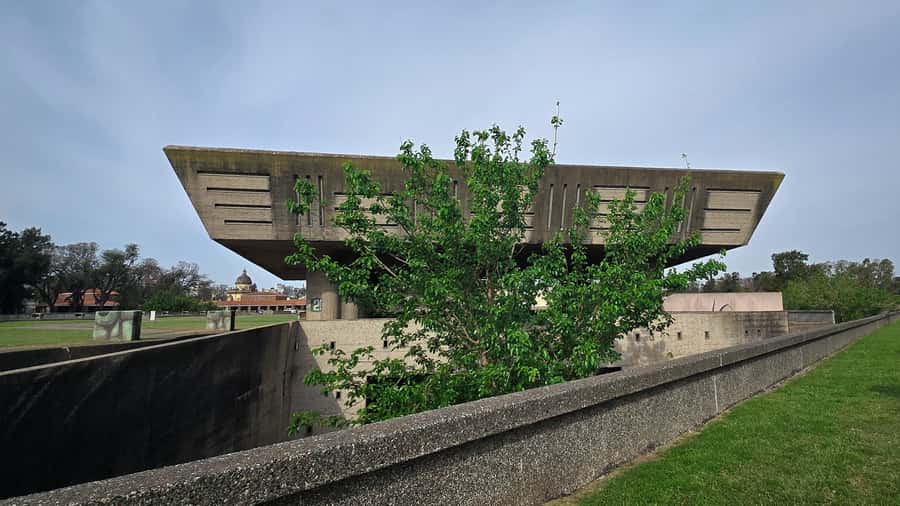
The final listed stop is Elcano Park, with about 10 minutes of guided sightseeing. The details do not specify a particular monument or activity here, so I would treat it as part of the broader route rather than expect a major attraction on its own.
Its place at the end gives the walk a change of scenery and helps close the circuit. By this point, you will have seen individual mausoleums, the chapel, a pantheon, war graves and the German Cemetery. The park provides a less enclosed setting after a long period among tombs and memorial buildings.
The route’s scheduled stop times add up to roughly two and a half hours, with the remaining time covering walking, transitions and the restroom pause. In a large cemetery, that built-in movement matters. You are paying for the guide’s understanding of how to connect the sites, not only for time spent standing in front of individual graves.
What the $20 price delivers
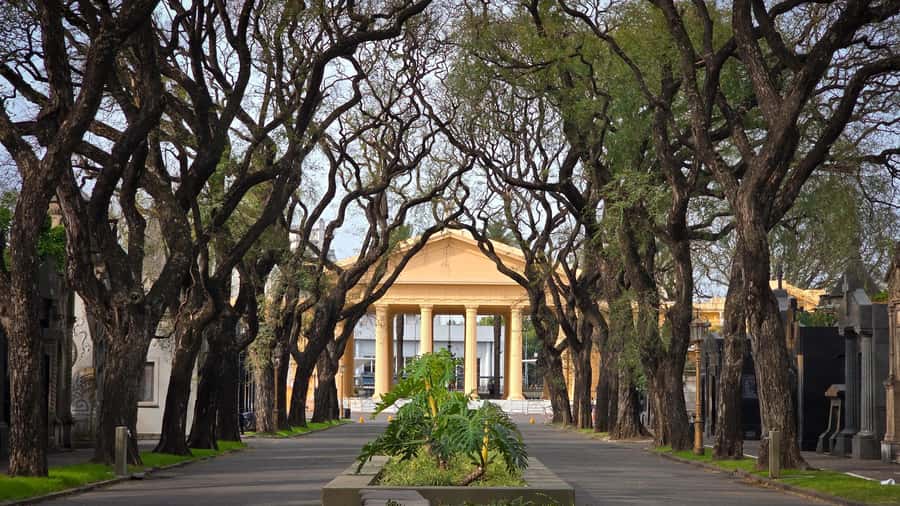
At $20 per person, this is a modestly priced three-hour experience. The value is strongest if you want context and structure. You could enter a cemetery on your own, but you would not necessarily know where the significant tombs are, how the different areas relate to one another or which stories deserve your attention.
The small group improves that value. With a maximum of six participants, you have a better chance to ask Miguel about a name or detail you notice. The personal approach is also useful for visitors who want to discuss Argentine music and culture rather than simply listen to a prepared speech.
The price does not include food, transport or extras. You only receive the guided walking tour, with a short restroom break. That is reasonable for a cemetery visit, but you should plan your route to the meeting point separately.
The booking terms are flexible. You can cancel up to 24 hours before the activity for a full refund, and you can reserve now and pay later. Starting times vary, so check availability for your date.
Who should book this walk
I would recommend it most strongly to people interested in Argentine music, film, poetry, public life and local memory. Gardel, Pugliese, Cerati and Gilda alone cover several generations of music, while Luis Sandrini and Alfonsina Storni broaden the route into cinema and poetry.
It also suits visitors who have already seen Buenos Aires’ better-known cemetery sights and want a different setting. Chacarita is larger and less instantly familiar, so a guide adds real value.
Spanish learners should consider it too. The tour is not advertised as bilingual, but Miguel has shown patience with an English speaker learning Spanish and can speak slowly when needed. You should still be comfortable following a Spanish-language tour or asking for repetition.
This is not a good match for anyone who cannot walk for three hours. The experience is specifically unsuitable for people with mobility impairments and wheelchair users. Comfortable footwear is essential, and sunscreen, a hat and water are sensible in warm weather.
Practical tips for a better visit
Wear shoes you can comfortably use for a long walking tour. The route includes many stops, but the time between them matters just as much as the time spent listening.
Bring water, a hat and sunscreen. These are explicitly recommended, and the tour’s outdoor setting makes them useful even when the temperature does not feel extreme.
Keep your questions focused and respectful. This is a cemetery and a place of remembrance, not simply a collection of unusual buildings. The best experience balances curiosity about public figures with attention to the tone of the site.
If Spanish is not your first language, tell Miguel early. His patient, slower speaking style can help, but you will get more from the tour if you explain your level and ask when you miss a name or date.
A small group can make the pace flexible, but it does not remove the need to arrive at the main door on time. Starting there keeps the visit organized from the first mausoleum onward.
Should you book the Chacarita Cemetery tour?
Book it if you want a thoughtful, Spanish-language look at Argentine culture through the people and places remembered at Chacarita. The combination of Gardel, Cerati, Gilda, Sandrini, Pugliese, Storni, British war graves and the German Cemetery gives the three hours real range.
I would skip it if you want a short, self-guided sightseeing stop, need step-free access or prefer an English-speaking guide. For everyone else, $20 is a fair price for a small-group route led by Miguel, especially if you value personal explanations over a quick list of famous names.
FAQ
Where does the tour meet?
You meet at the main door of Chacarita Cemetery.
How long does the tour last?
The guided walking tour lasts three hours and includes a 10-minute pause for using the restroom.
What language is the tour conducted in?
The tour is conducted in Spanish.
How large is the group?
The group is limited to six participants.
How much does the tour cost?
The listed price is $20 per person.
Which famous musicians are included?
The route includes Carlos Gardel, Gustavo Cerati, Osvaldo Pugliese and Gilda.
Which other Argentine figures can I visit?
The tour includes Luis Sandrini, Alfonsina Storni and Jorge Newbery, along with other musicians, athletes and public personalities.
Does the tour visit cemeteries outside Chacarita?
Yes. It includes the Commonwealth War Graves site in Buenos Aires and the German Cemetery.
Is the tour suitable for wheelchair users?
No. The experience is not suitable for wheelchair users or people with mobility impairments.
What should I bring?
Bring comfortable shoes, a hat, sunscreen and water.
Recently added in Buenos Aires
- Buenos Aires: Private City Tour by Car with Hotel or Pickup★ 5.0 · 3 reviews
- Guided tour Boca Juniors Museum & Stadium + Caminito★ 3.3 · 3 reviews
- Buenos Aires: Montserrat, San Telmo, La Boca, and Puerto …★ 5.0 · 3 reviews
- Buenos Aires: MALBA Museo de Arte Latinoamericano Tour★ 4.1 · 3 reviews
- Unique Tigre and Delta Private Day Cruise Navegation★ 5.0 · 3 reviews
- Tango Show at: MichelAngelo★ 4.5 · 3 reviews
- Buenos Aires: Mate Workshop y Otras Yerbas★ 5.0 · 3 reviews
- From Colonialism to Eclecticism, Buenos Aires arquitectonica★ 5.0 · 3 reviews
Buenos Aires Tours, compared.

Buenos Aires: Piazzolla Tango Show with Optional Dinner
Read our review →
Buenos Aires: City Highlights Guided Tour with Transfer
Read our review →
Buenos Aires: La Boca Guided Walking Tour in English
Read our review →
Buenos Aires: La Recoleta Cemetery Guided Tour in English
Read our review →
Buenos Aires: Tango Show at Tango Porteño & Optional Dinner
Read our review →
Buenos Aires: 9-Course Argentine Meat Tasting at Fogón Asado
Read our review →
