
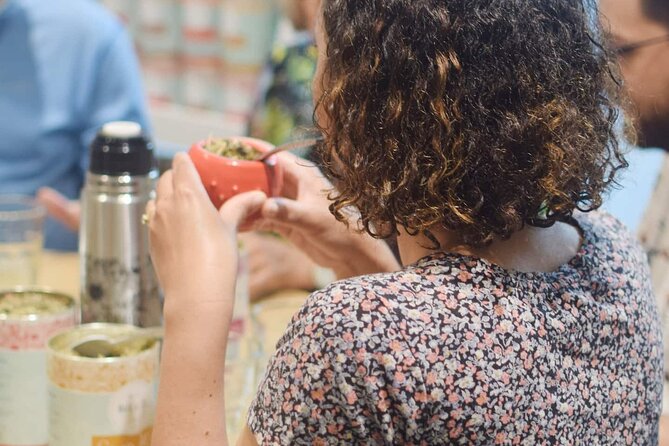
Reviewed · BUENOS AIRES TOURS
Small Group Tasting to Become a Mate Expert in Buenos Aires
Yerba mate is not simply a hot drink in Argentina. It is a social ritual, a shared cup, and a daily habit with its own rules. This 90-minute workshop gives you a clear introduction to the drink, from how yerba is grown and prepared to how a cebador, the person who prepares and serves mate, keeps the round moving.
I like two things right away: the small group size of no more than 14 people, which leaves room for questions, and the chance to taste several blends instead of settling for one standard cup. The Argentine sweets add a pleasant local touch, too. The one thing to keep in mind is that the class is fairly short, so anyone seeking a full academic account of mate may find the historical section a little brief.
Key points to know before booking
- Taste several mate blends: Try traditional and flavored yerbas, with chai noted as a favorite option for some tasters.
- Learn the full ritual: The session covers the social rules, meaning, preparation, and sharing of mate in Argentina.
- Practice the brewing method: You are shown how to prepare a better cup and how different accessories affect the experience.
- Meet Tomás, the host: Known as Tomi or Tommy, he leads the class in English and Spanish and makes time for questions.
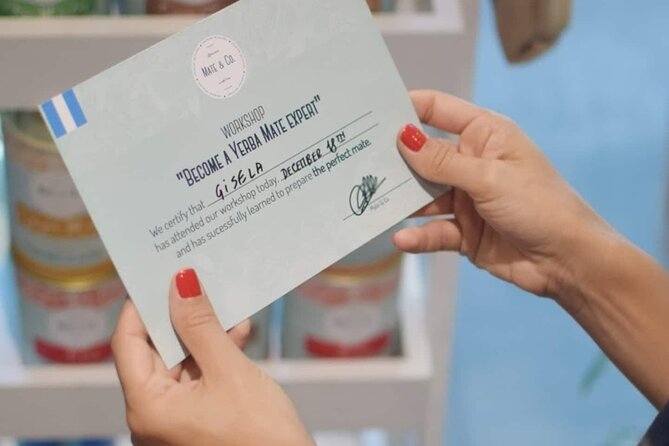
- Leave with a diploma: A participation certificate gives the workshop a fun finishing touch.
- Good value at $29: The price includes instruction, multiple tastings, Argentine sweets, the certificate, and shop discounts.
Why mate matters beyond the cup
If you are new to Argentina, mate can look puzzling. You see locals carrying a small gourd, a thermos, and a metal straw, then passing the same cup from person to person. It is easy to think of it as a local version of tea or coffee.
That comparison only goes so far. Mate carries social meaning. Sharing it signals welcome, friendship, and time spent together. The cup is prepared in a set way, passed around in a set order, and refilled by the cebador. Learning those details helps you understand a custom you will see all over Buenos Aires.
The class begins with the basics: what yerba mate means, where it comes from, how it is produced, and why people drink it. You also learn about its properties and the different ways it is consumed in Argentina and other parts of the world.
I like this opening because it gives the tasting a reason. You are not just sampling a bitter green drink. You are learning why the leaves taste the way they do, how production affects the final blend, and why mate has such a strong place in everyday life.
more Buenos Aires days to weigh up
- Buenos Aires: 9-Course Argentine Meat Tasting at Fogón Asado
★ 4.9 · 826 reviews - Buenos Aires: Local Foodie Adventure with Sherpa Food Tours
★ 4.9 · 670 reviews - Buenos Aires: Wine Tasting and Lunch at Bodega Gamboa
★ 4.8 · 177 reviews
Starting with yerba, production, and flavor
The first part focuses on yerba itself. The workshop explains the production process and introduces the kinds of yerba available in the market. This matters because mate is not one fixed flavor.
Some blends are traditional and earthy. Others include added herbs or flavorings. The different options can change the aroma, bitterness, and overall feel of the drink. If you have tried mate before and found it too strong, this section is useful because it shows that another blend may suit you better.
The tasting includes several varieties, including original and flavored options. One blend mentioned by name is chai, which gives you an idea of the range available. You may discover that you prefer a flavored yerba, or you may decide that the traditional version is the one to take home.
The workshop also covers the accessories: cups, gourds, and bombillas, the metal straws used to drink mate. You learn why these pieces matter and hear about the curing process for a traditional mate cup. That is practical information if you plan to buy your own equipment in Buenos Aires.
The details are especially helpful for first-time drinkers. A cup, straw, and packet of leaves can seem simple in a shop, but there are choices to make. The workshop gives you a basis for comparing them rather than buying the first souvenir set you see.
Learning to prepare the perfect mate
The central hands-on part is preparation. You learn how to set up the yerba, use the cup, add water, and drink through the bombilla. The aim is not only to make one acceptable mate, but to understand the process well enough to repeat it at home.
This is where the class earns its mate expert title. Mate has a technique, and small changes can affect the result. The session helps you avoid the common mistake of treating the cup like an ordinary tea infuser.
You also learn about the cebador’s role. The person preparing the mate controls the serving, adds water, and passes the cup to the next person. That makes the drink a group activity rather than a series of individual servings.
Expect a relaxed lesson rather than a formal cooking class. Tomás, also called Tomi or Tommy, is described as a funny, patient, and engaging host who answers questions during the process. His English ability is important for international visitors, while the availability of a Spanish session gives Spanish-speaking participants another option.
The small group helps here. With a maximum of 14 people, you have a better chance to watch the demonstration, try the method, and ask about your own technique. It is still a group class, so the amount of individual practice can depend on the number of people attending.
Tasting blends with Argentine sweets
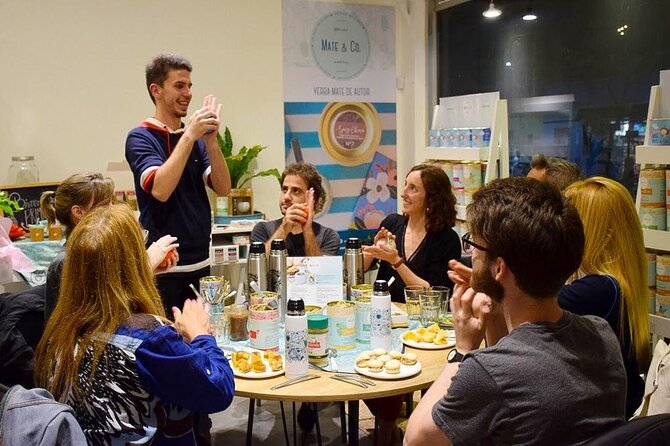
After the explanation comes the part most people will remember: tasting the different blends. The class serves several mate options, including flavored varieties, so you can compare them side by side.
The drink is served with typical Argentine sweets. That pairing helps soften the bitterness and gives you another taste of local food culture. It also makes the experience feel more social and less like a technical lesson.
Do not expect a restaurant meal. The sweets are a small accompaniment to the mate, not a substitute for lunch or a full snack stop. Plan to eat beforehand if you are hungry, particularly if you have scheduled the class around a busy day of sightseeing.
The tasting works well for mixed groups. A first-time drinker can start gently, while a person who already drinks mate can compare blends and refine their method. One participant who had already been preparing mate found there was still plenty to learn about technique, ritual, and yerba choices.
I especially like the tasting for couples and families. You can talk over the flavors, choose a favorite, and use the experience as a starting point for buying mate supplies later. It is also a natural way to meet people from different countries without the forced feeling of a standard sightseeing tour.
Completely different, still leaving from Buenos Aires:
- Buenos Aires Hop-On Hop-Off Bus, Free Walking Tours & Discounts
★ 4.5 · 2,218 reviews - Buenos Aires: Piazzolla Tango Show with Optional Dinner
★ 4.4 · 2,122 reviews - Buenos Aires: City Highlights Guided Tour with Transfer
★ 4.7 · 1,946 reviews - Buenos Aires: Hop-On Hop-Off City Bus Tour
★ 4.2 · 1,855 reviews
The Argentine ritual and its social rules
The class does not stop at brewing. It explains the meaning of mate in Argentine culture and how the ritual fits into daily life.
You will hear about mate as a drink shared among friends and family, not just something consumed alone. The order of serving, the role of the cebador, and the passing of the cup all become easier to understand once you know the basic customs.
This cultural part is the real reason to choose the workshop instead of simply buying a mate kit. A souvenir cup may remind you of Buenos Aires, but understanding the ritual lets you use it with more confidence.
The history section appears to be an introduction rather than the main focus. One person wanted a little more historical detail, while most of the class is directed toward brewing, tasting, and cultural practice. If your main interest is the origins and development of mate, you may want to treat this as a starting point rather than a complete study.
For most visitors, the balance is sensible. You get enough background to understand what you are tasting, then enough practical instruction to try the custom yourself.
What Tomás brings to the workshop
The host is a major part of the experience. Tomás is also referred to as Tomi, Tommy, or Thomas, depending on the language used. He is presented as a professional cebador with a strong background in mate.
His teaching style is described as warm, patient, organized, and humorous. That combination matters because the ritual can feel intimidating at first. You may worry about holding the cup incorrectly or breaking an unwritten rule, but a good host can make the process feel easy.
Tomás also handles questions well. The class attracts first-timers, people with Argentine family connections, and regular mate drinkers who want to improve their method. A host who can adjust the explanation for each level adds real value.
The language point is worth checking when you book. English is available, and Spanish availability is also listed. If a bilingual group is important to you, confirm the session language in advance.
Is $29 a fair price?
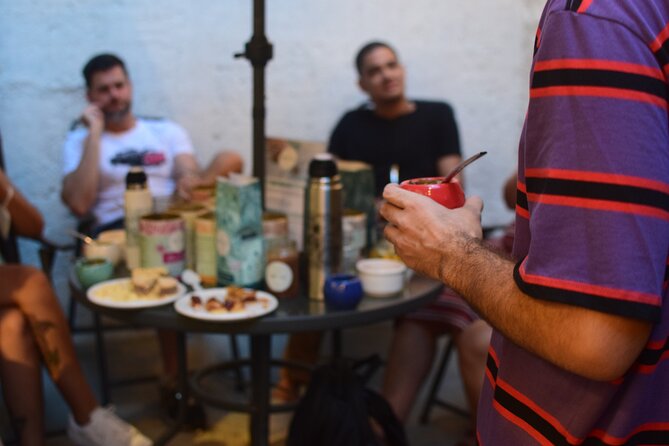
At $29 per person, this is a reasonably priced cultural activity in Buenos Aires. The class lasts about an hour and a half and includes instruction, several tastings, Argentine sweets, a certificate, and discounts at the shop afterward.
The value depends on how you use it. If you only want to taste mate once, the workshop may feel longer than necessary. You could try the drink in a café or buy a ready-made serving for less.
If you want to understand how to prepare mate, choose a yerba, use the accessories, and take the ritual home, the price makes more sense. You are paying for guidance and context, not just for a few cups of tea.
The shop discount can also improve the deal if you plan to buy yerba, a bombilla, or a mate cup after the class. The discount terms are not specified, so ask about them before making a purchase.
The diploma is a small extra, but it adds a cheerful finish. It is not a formal professional qualification. Think of it as a souvenir certificate that marks your new skill.
Meeting point, timing, and group size
The workshop begins and ends at Tte. Benjamín Matienzo 1559, C1426DAA, in Buenos Aires. Since the activity returns to the same place, you do not need to arrange a second pickup point or work out where the class finishes.
The listed duration is approximately 1 hour and 30 minutes. That makes it easy to fit into a morning or afternoon of sightseeing. You can combine it with other plans, but allow extra time around the start since the exact class pace may vary.
The address is near public transportation, which is useful in a city where crossing between neighborhoods can take time. Check your route before leaving, and arrive ready to begin at the stated local time.
The maximum group size is 14. That is not a private lesson, but it is small enough to keep the atmosphere personal. The class can include solo visitors, couples, families, and friends, so you may be sharing the table with a mix of ages and nationalities.
Confirmation is provided at booking. Service animals are allowed. Free cancellation is available if you cancel at least 24 hours before the start time. Cancellations or changes inside that window are not accepted for a refund, and the activity may be rescheduled or refunded if its minimum group size is not reached.
Who will get the most from this class?
This is a strong choice for a first visit to Buenos Aires, especially if you want a cultural activity that does not take half a day. The class gives you a local custom, a drink tasting, and a practical skill in one compact session.
It suits:
- First-time mate drinkers who want clear instruction
- People curious about Argentine customs and social life
- Families with older children or college-age children
- Couples seeking a relaxed indoor activity
- Solo visitors who enjoy small-group classes
- Existing mate drinkers who want to improve their preparation
- Anyone planning to bring mate supplies home
It may be less suited to you if you dislike shared drinks or bitter flavors. Mate is traditionally passed among a group, and the workshop centers on that shared ritual. You can learn a great deal without becoming a regular drinker, but the social aspect is central.
It is also not the right pick if you want a broad food tour of Buenos Aires. The sweets are part of the tasting, but the focus stays firmly on yerba mate.
My call: book it if you want more than a souvenir
I would book this workshop if you want to understand one of Argentina’s most visible daily traditions instead of simply photographing it. The blend tasting, practical brewing lesson, social rules, and friendly instruction from Tomás give you useful context in a short time.
The best reason to go is that you can carry the experience home. After the class, you should know more about choosing yerba, handling the bombilla, preparing a cup, and sharing it in the Argentine way. At $29, that is a fair exchange for an engaging cultural lesson.
Skip it only if you have no interest in tasting mate, need a full meal, or want a long and detailed account of its past. For everyone else, this is an easy-to-fit Buenos Aires activity with genuine local content and a welcome dose of hands-on fun.
FAQ
How long does the mate workshop last?
The workshop lasts approximately 1 hour and 30 minutes.
Where does the activity begin and end?
It begins at Tte. Benjamín Matienzo 1559, C1426DAA, Buenos Aires, and ends back at the same meeting point.
How many people can join the workshop?
The maximum group size is 14 participants.
Is the workshop available in English or Spanish?
English is available, and you can also check availability for a Spanish-language session.
What will I taste during the class?
You will taste several yerba mate blends, including original and flavored options, served with typical Argentine sweets.
What happens if I need to cancel?
You can receive a full refund if you cancel at least 24 hours before the experience start time. Cancellations or changes made less than 24 hours in advance are not accepted for a refund.
Recently added in Buenos Aires
- Buenos Aires: Private City Tour by Car with Hotel or Pickup★ 5.0 · 3 reviews
- Guided tour Boca Juniors Museum & Stadium + Caminito★ 3.3 · 3 reviews
- Buenos Aires: Montserrat, San Telmo, La Boca, and Puerto …★ 5.0 · 3 reviews
- Unique Tigre and Delta Private Day Cruise Navegation★ 5.0 · 3 reviews
- Buenos Aires: MALBA Museo de Arte Latinoamericano Tour★ 4.1 · 3 reviews
- Buenos Aires: Mate Workshop y Otras Yerbas★ 5.0 · 3 reviews
- Tango Show at: MichelAngelo★ 4.5 · 3 reviews
- From Colonialism to Eclecticism, Buenos Aires arquitectonica★ 5.0 · 3 reviews
Buenos Aires Tours, compared.

Buenos Aires: Piazzolla Tango Show with Optional Dinner
Read our review →
Buenos Aires: City Highlights Guided Tour with Transfer
Read our review →
Buenos Aires: La Boca Guided Walking Tour in English
Read our review →
Buenos Aires: La Recoleta Cemetery Guided Tour in English
Read our review →
Buenos Aires: Tango Show at Tango Porteño & Optional Dinner
Read our review →
Buenos Aires: 9-Course Argentine Meat Tasting at Fogón Asado
Read our review →

Buenos Aires: Madero Tango Show with Optional Dinner
Read our review →Browse the lists this tour appears in