
Reviewed · BUENOS AIRES TOURS
Wine Tasting in Buenos Aires
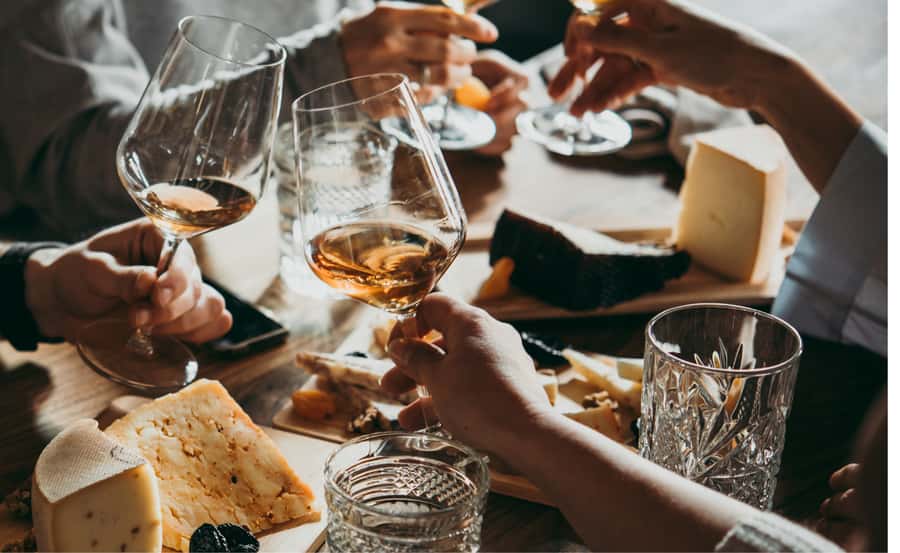
Argentina’s wine country arrives at the table in a fast, compact tasting. In one hour, you can compare Torrontés from Salta, Malbec from Mendoza, Pinot Noir from Patagonia, and Tannat from Entre Ríos, with Argentine snacks between pours. I like the wide regional sweep and the generous food pairings, especially the traditional empanada and assorted cold cuts.
I also like the choice between a regional menu and a Catena Zapata menu. The main catch is the pace: one-hour tastings can feel hurried, and the information may be fairly light. The setting may be quiet and intimate rather than a lively group event, and the tasting location can change.
Key points to know before booking
- Four wines are listed in both menus: The detailed menus name four pours, although another part of the description says three glasses. Confirm the exact serving plan before you go.
- The Federal menu covers four regions: Taste Coquena Torrontés from Salta, Primogénito Noir from Patagonia, Gouguenheim Reserva Malbec from Tupungato in Mendoza, and Julepe Tannat from Entre Ríos.
- The Catena Zapata option focuses on one major producer: Its four wines include Saint Felicien Chardonnay, Nicasia Cabernet Franc, DV Catena Cabernet-Malbec, and DV Catena Syrah-Syrah.
- Food is part of the tasting: Expect bruschetta, selected cheeses, assorted cold cuts, and a traditional Argentine empanada.
- This is not a transport service: You make your own way to the venue, whose location is subject to availability.
- The mood may be more personal than social: You could be tasting alone or with only a few other people, not in a large shared group.
Four regions of Argentina in one short sitting
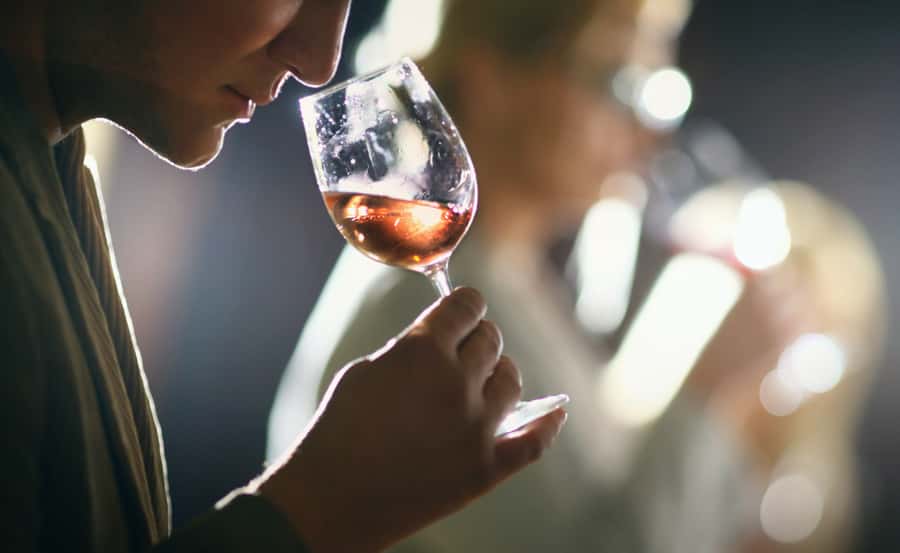
The strongest idea here is simple: you sample Argentina by region instead of drinking four similar wines from one area. That makes the Federal Tasting Menu the better choice if you want a quick introduction to the country’s wine map.
Argentina’s wine production stretches across very different climates and growing areas. This menu gives you a taste of that variety without sending you far beyond Buenos Aires. You begin with a white from Salta, move to a red from Patagonia, continue with Malbec from Mendoza, and finish with Tannat from Entre Ríos.
You should not expect a full lesson in Argentine wine geography in just one hour. Still, the sequence gives your palate useful contrasts. The crisp, aromatic white comes first, followed by lighter red fruit, a fuller Malbec, and a more forceful final red.
The tasting is paired with food at each stage. That matters because wine can taste different with cheese, cured meats, toasted bread, or pastry. You get to judge the pairing for yourself instead of simply drinking small pours in isolation.
More Wine Tours in Buenos Aires
- Buenos Aires: Wine Tasting and Lunch at Bodega Gamboa
★ 4.8 · 177 reviews - Premium Argentinian Wines and Malbec Tasting Experience
★ 4.6 · 60 reviews - Buenos Aires: Palacio Barolo Guided Night Tour with Wine
★ 4.4 · 54 reviews
The Federal menu, from Salta to Entre Ríos
The first pairing is Bruschetta Serrana with Coquena Torrontés from Salta. Torrontés is one of Argentina’s signature white grapes, and placing it first makes sense. The bruschetta gives you something salty and crisp beside the wine, while the bread helps prepare your palate for the reds that follow.
The second course brings selected cheeses with Primogénito Noir from Patagonia. Patagonia is far south, and its wines are often associated with cooler growing conditions. Here, the lighter red and cheese pairing should provide a gentler transition from white wine to the deeper reds later in the tasting.
Next come cold cuts with Gouguenheim Reserva Malbec from Mendoza, specifically Tupungato. Malbec is Argentina’s best-known wine style, so this is the pour many first-time visitors will be waiting for. The cured meats are a practical match for a bigger red, giving the tasting a distinctly Argentine snack-table feel.
The final pairing is a traditional empanada with Julepe Tannat from Entre Ríos. Ending with an empanada gives the session a local, filling finish rather than a small sweet bite. Tannat can be a bold red, so the pastry and savory filling help make the last course feel substantial.
I would choose this menu if your main goal is variety. You get four grapes and regions, not just four labels from one producer. It is also the most educational choice for anyone trying to understand why Argentine wines can taste so different from one another.
The Catena Zapata Clásico menu
The second menu is built around wines connected with Catena Zapata, one of Argentina’s best-known wineries. This is less of a tour across the country and more of a producer-focused tasting.
You start with Bruschetta Serrana and Saint Felicien Chardonnay. The Chardonnay offers a familiar point of reference for anyone who enjoys classic white wines, while the bruschetta keeps the opening course light and savory.
Selected cheeses accompany Nicasia Cabernet Franc. Cabernet Franc can show a different character from the heavier Cabernet blends many people know, and cheese is a sensible partner for this stage. If you are curious about how a single winery handles different grapes, this menu gives you more consistency from one pour to the next.
Cold cuts are paired with DV Catena Cabernet-Malbec. This combination brings together two important red-wine names in Argentina. The food gives the blend a hearty partner and helps shift the tasting toward its final red.
You finish with a traditional empanada and DV Catena Syrah-Syrah. The last pairing follows the same pattern as the Federal menu: a full-flavored red with a classic Argentine food. Pick this menu if you already know you want to sample a well-known producer rather than compare distant wine regions.
The tradeoff is clear. The Catena Zapata menu may feel more focused, while the Federal menu gives you more geographic range. Neither menu is automatically better. Your choice depends on whether you want a quick study in regional differences or a look at one major wine name.
What the one-hour format really feels like
An hour is convenient in Buenos Aires. You can fit the tasting before dinner, between sightseeing plans, or into an afternoon without giving up half a day. The short format also keeps the price from climbing into the range of a long wine excursion.
But you need to set your expectations correctly. Four wines, four food pairings, and explanations in 60 minutes leave limited time for questions. A tasting can move quickly from one glass to the next, especially if you want detailed notes on grape growing, vintage, production, or the individual wineries.
One person who attended found the pace too quick and felt the pours were delivered one after another without enough breathing room. That criticism is important for serious wine students. If you want a slow class with extensive instruction, this may not be the right format.
I would approach it as a guided sampler, not a formal certification lesson. Listen to the basic explanation, taste the wine with its food, and note which bottle you prefer. Then use the labels as a starting point for exploring Argentine wine at a restaurant or shop later.
The guide speaks English or Spanish. No guide’s name is provided in the booking details, so you should not expect to select a particular host. The language option is useful, but the amount of commentary may vary with the guide and the pace of the session.
more Buenos Aires wineries worth an afternoon
- Discover Argentine Wines Paired with Delicious Tapas
★ 5.0 · 51 reviews - Sailing with Wine Tasting in Buenos Aires
★ 5.0 · 50 reviews - Premium Empanadas Cooking Class & Wine Tasting Experience
★ 4.9 · 35 reviews - Buenos Aires: Small-Group Wine Tasting
★ 4.8 · 18 reviews
The food makes the tasting more useful
The food is not an afterthought. Bruschetta, cheeses, cold cuts, and empanadas turn a series of pours into a small meal, and they give you a way to test how each wine behaves with something solid.
I especially like the progression from bruschetta to cheese, then cold cuts, and finally empanada. It starts light and becomes more filling. That order also pairs lighter wines with the early courses and stronger reds with the later ones.
The assorted cold cuts and selected cheeses are listed without further detail. You will not know the exact varieties in advance, and the food selection may vary. Still, the format is generous enough to help take the edge off drinking four wines in a short period.
Do not count on ordering additional food as part of the booking. Other food options and extra drinks are not included. If you have allergies or dietary restrictions, tell the provider ahead of time. That request is especially important here because the menu includes bread, dairy, cured meats, and empanadas.
A quiet bar setting, not a party bus
This tasting takes place at a bar or shop-style venue, rather than as a winery visit outside the city. That makes it practical for a Buenos Aires stay, but it also means you will not see vineyards, cellars, or production facilities.
The setting may be small and quiet. One attendee found only a few people in the bar, with two separate tastings taking place. That can be a plus if you want a calm setting and direct attention. It can be a drawback if you booked this hoping to meet a large group or enjoy a festive wine event.
The bar and shop itself was described as pleasant, with a friendly atmosphere and an easy-to-find location. You should still check the final meeting point because the venue can change according to availability.
Plan your return route before an evening booking. A previous attendee felt uncomfortable walking alone outside the bar after dark, particularly as a woman. That is not a reason to reject the tasting, but it is a good reason to arrange a taxi, ride service, or companion for the trip back rather than wandering around unfamiliar streets at night.
Transfers are not included. Bring a credit card and some cash, since both are listed as useful items for the visit.
Is $60 a fair price?
At $60 per person, this is not a bargain bar flight. The value depends on what you want from the hour.
The price includes four listed wines, food pairings, and a guide in English or Spanish. If you would otherwise order several Argentine wines, cheese, cold cuts, and an empanada at a central Buenos Aires bar, the package may be reasonable. You also get a planned sequence rather than having to choose unfamiliar labels on your own.
The value weakens if the session feels rushed or if you want a lot of wine education. One critical attendee felt the cost did not match the amount of information and time provided, and preferred the idea of simply ordering a good bottle at a restaurant.
That is a fair comparison. At a restaurant, you may spend less, sit longer, and choose your own food. You would lose the regional comparison and guided pairing, though. The tasting earns its price mainly through convenience and variety, not through a long class or a rare-access winery visit.
For a casual wine drinker, the experience can be worthwhile if you value having four Argentine styles placed side by side. For an experienced oenophile, the price is harder to justify unless you confirm that the guide will provide detailed commentary and that the full four-wine menu is being served.
Choosing the right menu for your interests
Choose the Federal Tasting Menu if you want the broadest introduction to Argentina. Its Salta, Patagonia, Mendoza, and Entre Ríos selections let you compare regions, grapes, and food matches in a single sitting.
Choose the Catena Zapata Clásico menu if the producer matters more to you. It keeps the focus on Saint Felicien, Nicasia, and DV Catena selections, with Chardonnay, Cabernet Franc, Cabernet-Malbec, and Syrah-Syrah represented.
The menu wording contains one point worth checking before payment. The detailed options list four wines, but another part of the description says the package includes a tasting of three glasses. Ask the provider to confirm whether you receive four separate pours, and ask about the serving size if that matters to you.
That small clarification can change the value of the booking. It also helps you plan responsibly, since four pours with food can add up quickly in a one-hour sitting.
Who will enjoy this Buenos Aires tasting
I would recommend it to you if you want a simple introduction to Argentine wine without leaving the city. It suits an adult couple, a small group of friends, or a solo visitor who enjoys a quiet bar setting and wants food with the wine.
It is also a useful rainy-day or between-plans activity. The one-hour length leaves room for other Buenos Aires sights, and the English and Spanish guide options make the format accessible to many international visitors.
I would be more cautious if you are booking for social energy. The event may not function as a shared group gathering, and you could find yourself in a small room with a separate tasting happening nearby.
I would also look elsewhere if your priority is detailed instruction. The wines are the main attraction, but the guide may not spend enough time on each label for advanced study. You can still learn from the contrasts, but you will need to ask questions and keep your own notes.
Only adults 18 and over may attend. Babies and children are not suitable for this activity.
Booking details worth checking
The booking offers reserve-now-and-pay-later flexibility, so you can hold a place without paying immediately. The activity lasts one hour, and you need to check availability for starting times.
The cancellation information needs careful attention. One section says cancellations up to 24 hours in advance receive a full refund, while another detailed policy says full refunds apply up to 48 hours, 50 percent refunds apply between 24 and 48 hours, and cancellations under 24 hours or no-shows receive nothing.
Because those terms conflict, confirm the policy shown at the time of booking. Do not assume that a late change will qualify for a full refund.
Also confirm the meeting location, the number of wines, and any dietary arrangements before you set out. These are small checks, but they matter more for a short, fixed-format tasting than they would for a flexible restaurant visit.
Should you book this wine tasting?
Book it if you want four Argentine wines, local-style snacks, and a compact introduction in Buenos Aires. I especially favor the Federal menu for first-time visitors because it compares Salta, Patagonia, Mendoza, and Entre Ríos in one sitting.
Choose the Catena Zapata menu if you prefer a producer-focused tasting. Either option works best when you see it as a guided sampler with food, not a long wine course.
Skip it if you need a relaxed two-hour session, a large social group, or extensive technical detail. At $60, the experience has to deliver enough explanation and a full set of pours to feel worthwhile, so confirm those points first. For the right expectations, it is a practical way to taste Argentina without leaving the city.
FAQ
How long does the wine tasting last?
The tasting lasts one hour. Starting times depend on availability.
How many wines are included?
The detailed menus list four wines in each option. However, another part of the description refers to three glasses, so confirm the exact number of pours before booking.
What food comes with the tasting?
The food pairings include Bruschetta Serrana, selected cheeses, assorted cold cuts, and a traditional Argentine empanada.
What is included in the Federal Tasting Menu?
The Federal menu lists Coquena Torrontés from Salta, Primogénito Noir from Patagonia, Gouguenheim Reserva Malbec from Tupungato in Mendoza, and Julepe Tannat from Entre Ríos.
What is included in the Catena Zapata Clásico menu?
The Catena Zapata menu lists Saint Felicien Chardonnay, Nicasia Cabernet Franc, DV Catena Cabernet-Malbec, and DV Catena Syrah-Syrah.
Is transportation included?
No. Transfers are not included, so you must arrange your own transportation to and from the tasting venue.
Can children attend the tasting?
No. The activity is for people aged 18 and over. Babies under one year old and children are not suitable for the activity.
More Food & Drink in Buenos Aires
- Buenos Aires: 9-Course Argentine Meat Tasting at Fogón Asado
★ 4.9 · 826 reviews - Buenos Aires: Local Foodie Adventure with Sherpa Food Tours
★ 4.9 · 670 reviews - Buenos Aires Food Tour: Local Dishes, Steak, Empanada & More
★ 5.0 · 118 reviews - San Telmo: Historical Guided Tour with Street Food & Drinks
★ 5.0 · 87 reviews
Recently added in Buenos Aires
- Buenos Aires: Private City Tour by Car with Hotel or Pickup★ 5.0 · 3 reviews
- Guided tour Boca Juniors Museum & Stadium + Caminito★ 3.3 · 3 reviews
- Buenos Aires: Montserrat, San Telmo, La Boca, and Puerto …★ 5.0 · 3 reviews
- Unique Tigre and Delta Private Day Cruise Navegation★ 5.0 · 3 reviews
- Buenos Aires: MALBA Museo de Arte Latinoamericano Tour★ 4.1 · 3 reviews
- Tango Show at: MichelAngelo★ 4.5 · 3 reviews
- Buenos Aires: Mate Workshop y Otras Yerbas★ 5.0 · 3 reviews
- From Colonialism to Eclecticism, Buenos Aires arquitectonica★ 5.0 · 3 reviews
Buenos Aires Tours, compared.

Buenos Aires: Piazzolla Tango Show with Optional Dinner
Read our review →
Buenos Aires: City Highlights Guided Tour with Transfer
Read our review →
Buenos Aires: La Boca Guided Walking Tour in English
Read our review →
Buenos Aires: La Recoleta Cemetery Guided Tour in English
Read our review →
Buenos Aires: Tango Show at Tango Porteño & Optional Dinner
Read our review →
Buenos Aires: 9-Course Argentine Meat Tasting at Fogón Asado
Read our review →

Buenos Aires: Madero Tango Show with Optional Dinner
Read our review →Browse the lists this tour appears in