
Reviewed · BARILOCHE TOURS
Indigenous People of Patagonia History Tour
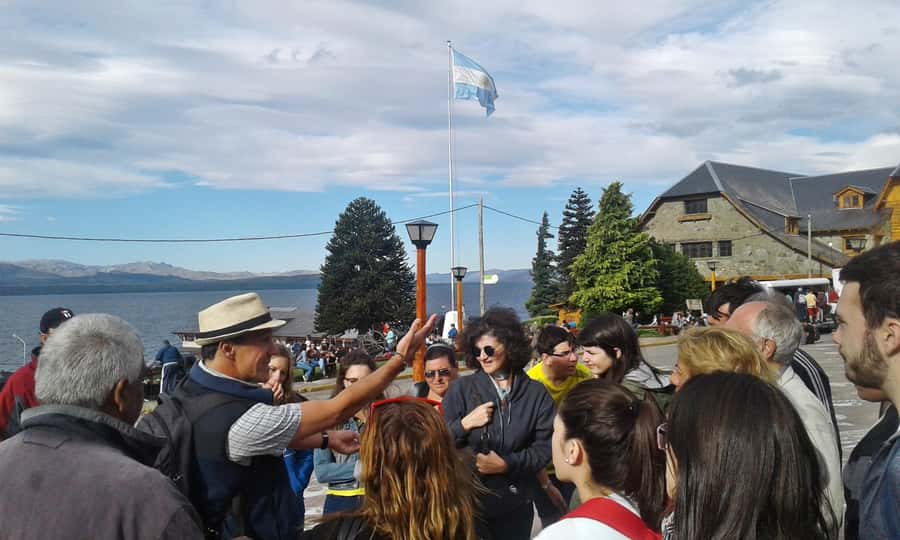
Bariloche’s Indigenous history is easy to miss beneath its alpine resort image. This 90-minute walk brings that story into the city center, beginning at the Civic Center and the Museum of Patagonia before moving to the cathedral and the shore of Nahuel Huapi Lake. It is a compact way to connect the town you see today with the people and natural forces that shaped the region.
I like the Museum of Patagonia access, since your ticket lets you return later that day and study the fossils, tools, and implements at your own pace. I also like the final lakefront stop, where views across Nahuel Huapi’s glacial valleys give the historical discussion a strong sense of place. The main drawback is time: 90 minutes goes quickly, so this is an introduction rather than a full museum visit or a long cultural walk.
Key points to know before you book
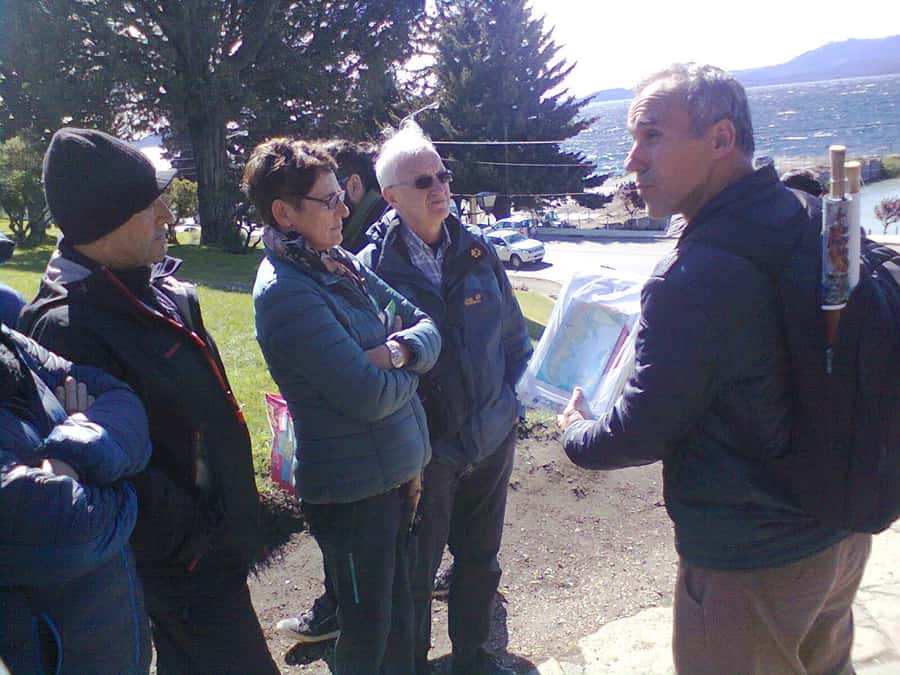
- The walk begins at Bariloche’s Civic Center, by the door of the tourist information office on Centro Civico Square.
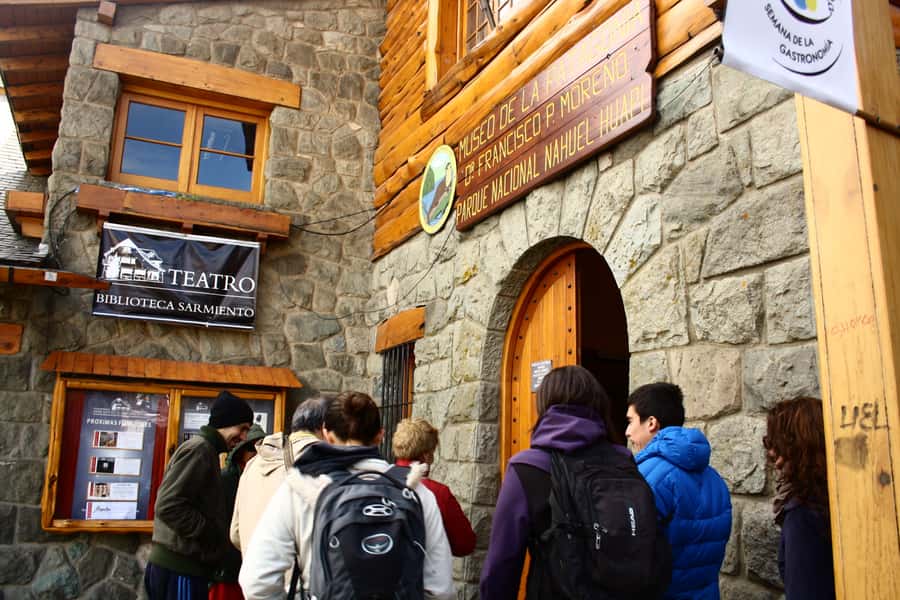
- The Museum of Patagonia covers natural history and Indigenous cultures, with fossils, tools, and other objects on display.
- Guide Diego has received special praise for explaining Native Patagonian history clearly and covering a great deal in a short time.
- The Cathedral of Our Lady of Nahuel Huapi adds art and faith, including stained glass windows, gardens, and the Via Crucis.
- The final stop is beside Nahuel Huapi Lake, with broad views toward glacial valleys.
- The $41 price includes the guide and 90-minute walk, but museum entry may require a separate optional $2 contribution.
Starting at the Civic Center in Bariloche
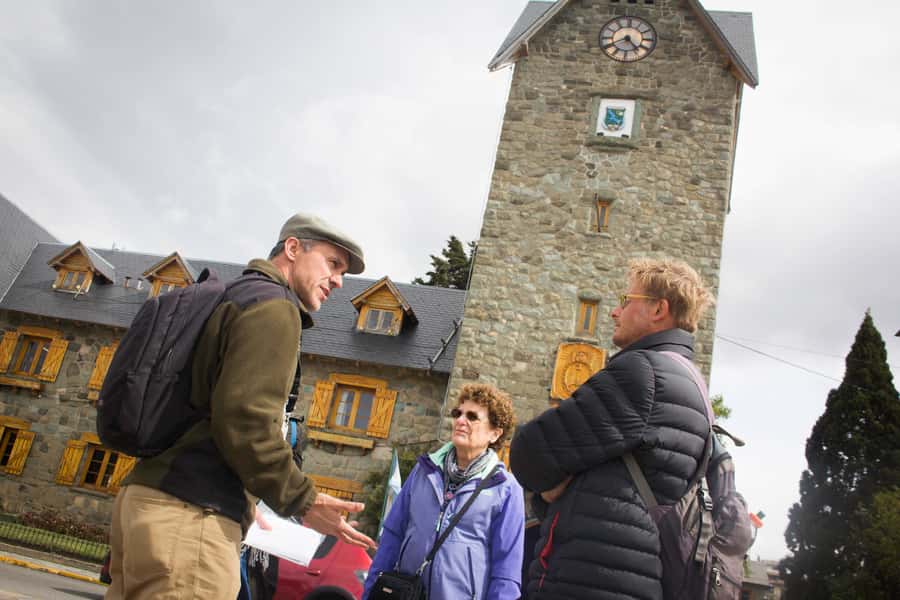
You meet by the door of the tourist information office on Centro Civico Square. This is a practical meeting point because the Civic Center is one of Bariloche’s main landmarks, and you are already in the heart of downtown.
The tour uses the square as more than a place to gather. It sets up the story of Bariloche as a town that grew from a remote settlement into a major ski and lake resort. The Museum of Patagonia was established in 1940 by the national government, at a time when Bariloche was being promoted as a destination. That date gives you useful context: the museum is not simply a collection of old objects, but part of the town’s effort to define and present its identity.
I would arrive a few minutes early. The meeting point is specific, and the square can be a busy place for anyone unfamiliar with central Bariloche. You do not need transportation for this experience. It is a walking tour through the downtown area, so comfortable shoes matter more than any special equipment.
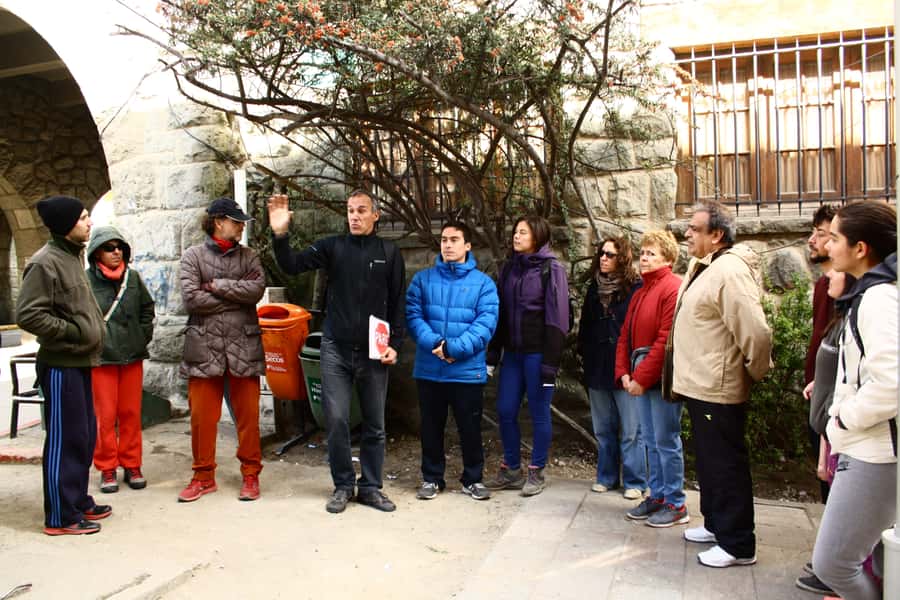
The guide speaks English and Spanish. Diego has led several of these walks, and the strongest comments about him focus on his ability to explain a lot of history in a short period. That is important here. The tour has only 90 minutes, so a guide who can keep the story focused makes a real difference.
more Bariloche days to weigh up
- Bariloche: German Immigration and History Walking Tour
★ 4.8 · 169 reviews - Maria Fumaça – Wines and History
★ 4.0 · 242 reviews - Nazis in Buenos Aires: a historical walking tour
★ 4.9 · 193 reviews
Inside the Museum of Patagonia
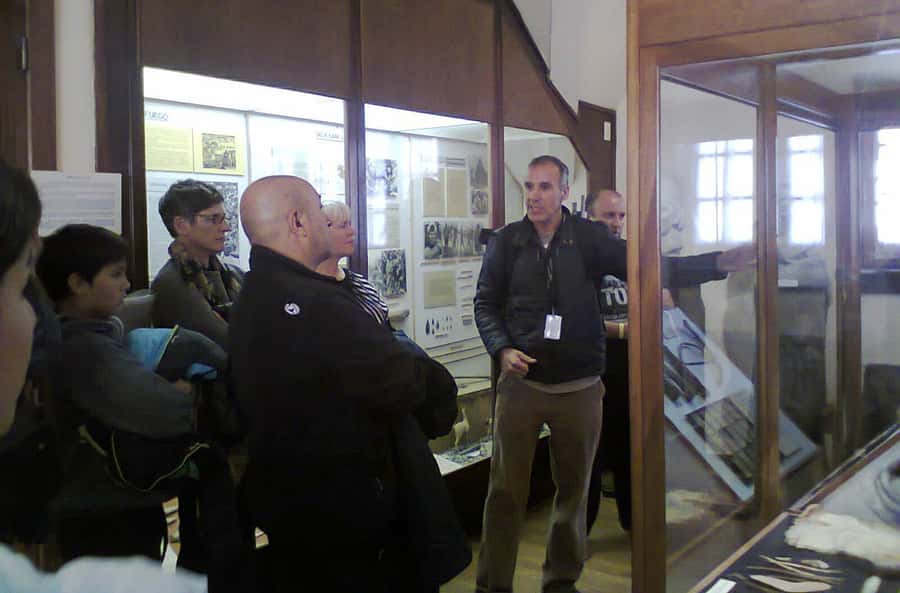
The museum is the main historical stop. You visit its principal sections to learn about the area’s natural history and its original inhabitants. The collection includes fossils, tools, and implements, giving you physical evidence to go with the guide’s explanation.
I like this part of the tour because it gives shape to a subject that can otherwise feel distant. Indigenous history is not presented only as a list of names and dates. The objects help you think about how people used local materials, adapted to their surroundings, and lived in a region defined by lakes, mountains, and glacial valleys.
The museum also helps correct the common idea that Patagonia’s story begins with modern tourism. Bariloche’s ski-town image is very visible today, but the displays point you toward a much longer human past. The guide’s focus is on Native Patagonian people, and the experience is designed to explain their place in the region’s history rather than treating them as a footnote.
The museum visit is guided, so you will not be left to work out the collection on your own. That is useful if you have limited time or want a clear overview. At the same time, 90 minutes is not enough to inspect every object closely. If you enjoy museums, plan to use the same-day return privilege after the walk. You can go back later and look through the fossils, tools, and implements without trying to keep pace with the group.
An optional $2 contribution may be requested for museum entry. This is separate from the $41 tour price, so include it in your planning. The small extra cost is worth knowing about in advance, especially if you are keeping close track of your spending.
What the guide adds to the museum visit
This tour depends heavily on the guide. The route itself is straightforward, but the value comes from linking the museum objects, downtown buildings, Indigenous history, and natural setting into one story.
The comments about Diego are unusually consistent. He is described as thorough, clear, and able to cover substantial material in a short time. One person specifically praised the amount of history he explained during the walk, while another highlighted his detailed treatment of Native Patagonian people. That tells you what to expect: this is not just a stroll with a few basic facts.
I would choose this experience if you want cultural background before exploring more of the Lake District. You will come away with a better frame for understanding Bariloche, its public buildings, and the lake views that define the city. The guide also speaks Spanish and English, so you can select the language that works best for you.
There is a trade-off. A well-packed historical walk can feel fast. You may want to ask a question, pause over a museum object, or take photographs, but the group still needs to keep moving. Use the tour for orientation, then return to the museum later if you want more time with the collection.
The Cathedral of Our Lady of Nahuel Huapi
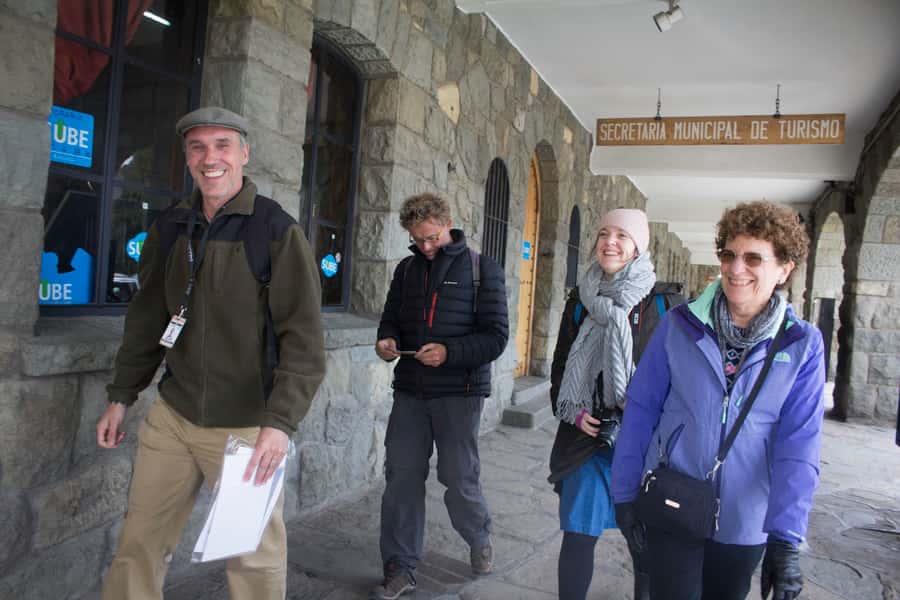
From the museum area, the walk continues to the Cathedral of Our Lady of Nahuel Huapi. The cathedral is surrounded by gardens, offering a change of pace after the museum displays and Civic Center discussion.
The stained glass windows are the main visual feature. They give the stop a strong artistic element and keep the tour from being only about political and Indigenous history. You also see the Via Crucis, adding another layer to the religious and cultural story of the city.
I appreciate this stop because it shows how several identities share the same downtown area. The museum points toward Indigenous people and the natural world. The cathedral reflects a later religious presence. The Civic Center represents the modern development of Bariloche. In a short walk, you see how the city has been shaped by different eras and purposes.
Keep your expectations realistic. This is a brief visit within a larger historical route, not a dedicated cathedral tour. The information provided does not promise extended time inside or a full explanation of every window and station. If stained glass is a major interest for you, pay close attention while you are there and ask the guide a question if time allows.
Completely different, still leaving from Bariloche:
- Bariloche: 7 Lakes & San Martin de Los Andes Road Trip
★ 4.5 · 624 reviews - Bariloche: Circuito Chico with optional Cerro Catedral
★ 4.5 · 316 reviews - San Martín de los Andes por 7 Lagos
★ 4.4 · 155 reviews - Circuito Chico
★ 4.5 · 146 reviews
Ending beside Nahuel Huapi Lake
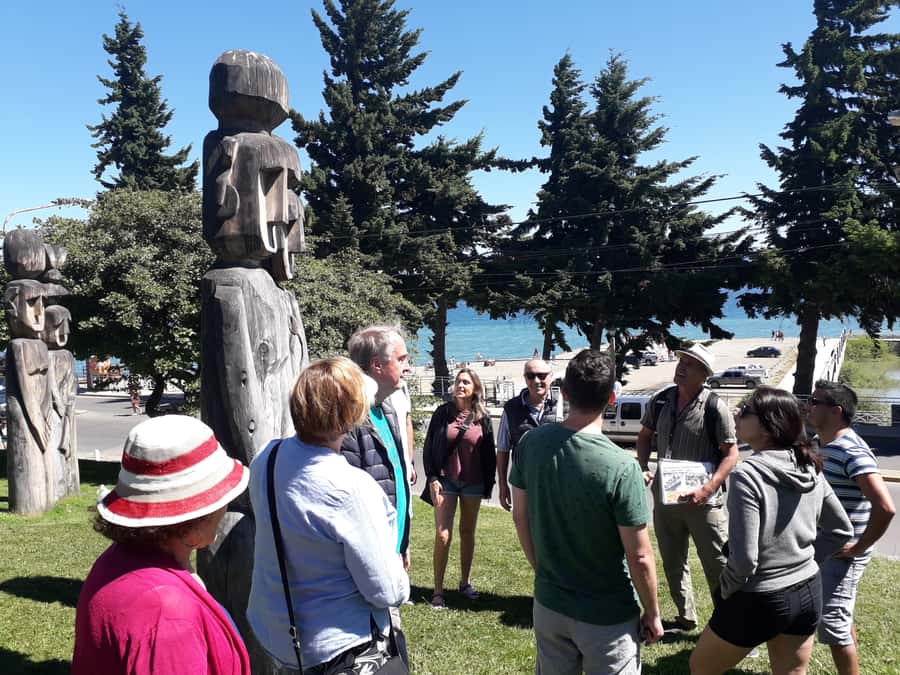
The walk finishes on the shore of Nahuel Huapi Lake. This is the tour’s most scenic moment, with views toward the glacial valleys around the lake.
The setting matters because it connects the earlier discussion to the land itself. In the museum, you see fossils and objects. At the cathedral, you see architecture and art. At the lake, you get a broad view of the natural setting that has influenced life in Patagonia for centuries.
I like ending outdoors rather than returning to another enclosed space. The final view gives you a chance to pause and take in Bariloche’s position beside one of the region’s defining lakes. It also makes the tour feel tied to the place, rather than limited to downtown buildings.
Bring a phone or camera if you want photographs, but do not treat this as a photography excursion. The supplied details promise views of glacial valleys, not a scenic cruise or a long lakeside outing. You remain on a walking route, and the activity ends after this viewing stop.
Weather may affect how impressive the lake looks on a given day, but the itinerary itself does not depend on a boat ride or another outdoor activity. That makes the tour fairly simple to fit into a Bariloche schedule.
Is $41 a fair price for 90 minutes?
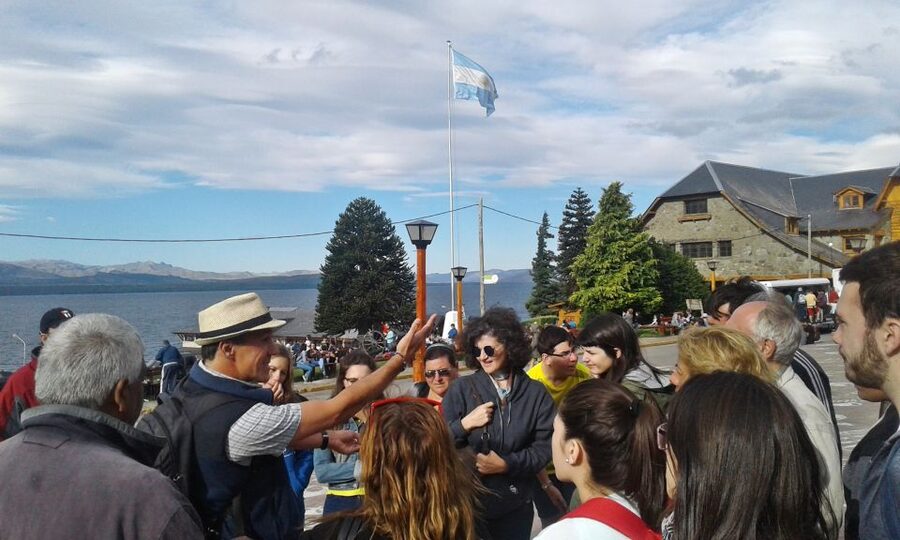
At $41 per person, the cost is not the cheapest way to see Bariloche’s center. The value depends on how much you want explanation rather than simply a route between landmarks.
The price includes an official guide in English or Spanish and a 1.5-hour historical walking tour. It also takes you into the Museum of Patagonia and gives you the option to return later that day. For someone interested in Indigenous history, local culture, and a guided introduction to Bariloche, those elements make the price reasonable.
The price is harder to justify if you only want lake views or a quick look at the cathedral. You can see public areas of the city on your own, and the tour does not include transportation, food, or an extended museum session. Its value comes from interpretation and structure.
I would especially consider booking it early in a Bariloche visit. The walk can help you understand the city before you spend time exploring independently. Since you can return to the museum later that day, you can also split the museum visit into two parts instead of trying to absorb everything at once.
The separate optional $2 museum contribution is minor, but remember that it is not included in the advertised tour price. That small detail is the only extra cost specified for the experience.
Who will get the most from this walk?
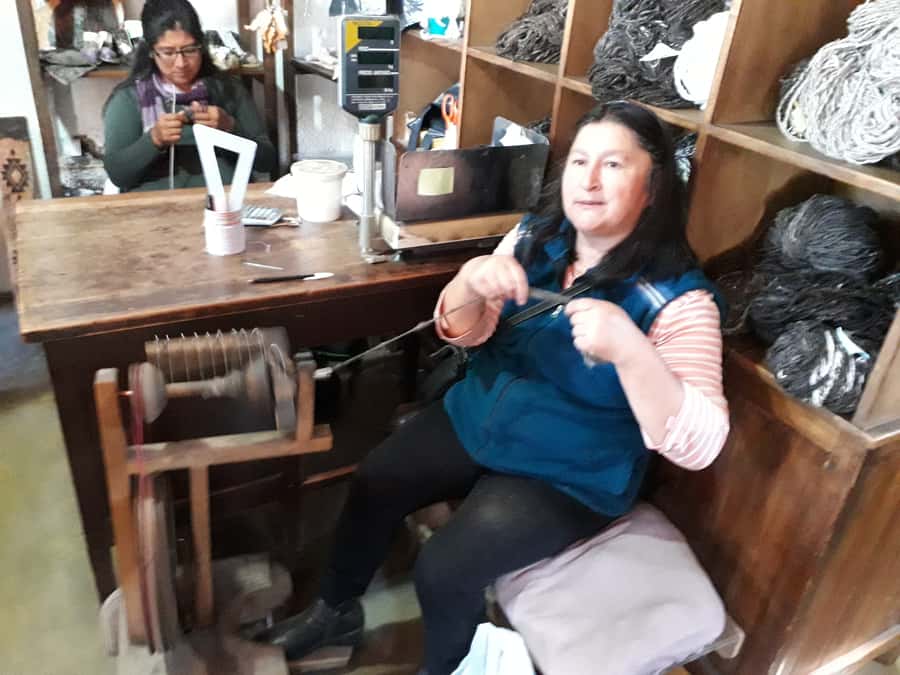
This tour suits you if you want a short cultural activity with a clear beginning and end. It is a good match for first-time visitors who want an overview of Bariloche’s Indigenous history before moving on to other parts of the Lake District.
It also works well for museum-minded visitors who prefer guidance at the start, then independent time later. The same-day return option means you can listen to the main explanation with the group and revisit the collection at your own speed.
I would recommend it to anyone who values local context. The walk does not simply point out attractive buildings. It links the Civic Center, the Museum of Patagonia, the cathedral, and Nahuel Huapi Lake into a story about people, belief, development, and place.
It may not suit you if you want a long hike, a small specialist museum visit, or a detailed academic study of Indigenous communities. The route lasts 90 minutes, and the information provided does not indicate a private format or an extended discussion after the official stops.
Families and older visitors should note the practical basics: this is a walking tour, comfortable shoes are recommended, and pets are not allowed. No special gear is required.
Timing, language, and cancellation flexibility
The experience lasts 90 minutes, with starting times available according to the date you choose. That makes it easy to place before or after another downtown activity, though you should leave a little breathing room rather than scheduling something immediately afterward.
The guide leads in English or Spanish. If you have a strong preference, confirm the available language when selecting your time.
You can reserve now and pay later, which helps if your Bariloche plans are still shifting. Free cancellation is available up to 24 hours before the activity for a full refund. Those terms are useful when weather or changing travel plans may affect your schedule.
The meeting point is by the tourist information office door at Centro Civico Square. Since the experience is entirely described as a walking tour, you should arrive dressed for a comfortable walk and wear shoes that will not slow you down.
My recommendation
I would book this tour if you want an efficient introduction to Bariloche’s Indigenous history and city center, especially early in your stay. The guide-led museum visit, the cathedral’s stained glass, and the final view over Nahuel Huapi Lake create a well-shaped 90-minute experience.
The strongest reason to choose it is the quality of the historical explanation, particularly with Diego. The main caution is the limited time. Think of it as a focused starting point, not a full study of Patagonia or a leisurely museum afternoon. Use the return option to spend more time with the collection, and the $41 price becomes easier to justify.
FAQ
How long does the Indigenous People of Patagonia History Tour last?
The tour lasts 90 minutes, or 1.5 hours.
Where does the tour meet?
Meet by the door of the tourist information office at Centro Civico Square in Bariloche.
What places are included in the walking tour?
The route includes the Civic Center, the Museum of Patagonia, the Cathedral of Our Lady of Nahuel Huapi, and the shore of Nahuel Huapi Lake.
Is the tour available in English?
Yes. The live guide speaks English and Spanish.
Is museum admission included in the tour price?
An optional $2 contribution may be required to enter the Museum of Patagonia. This contribution is not included in the $41 tour price.
Can I return to the Museum of Patagonia later?
Yes. Your entry ticket allows you to return later the same day and view the fossils, tools, and implements at your own pace.
What should I bring?
Bring comfortable shoes for the walking route.
Are pets allowed on the tour?
No. Pets are not allowed.
Can I cancel for a full refund?
Yes. You can cancel up to 24 hours in advance for a full refund.
Can I reserve the tour without paying immediately?
Yes. The reserve-now-and-pay-later option lets you hold your place without paying at the time of booking.
Recently added in Bariloche
- Bariloche: Tour to Circuito Chico + Optional: Arrayanes★ 4.2 · 3 reviews
- Bariloche: Sailing tour on Nahuel Huapi Lake★ 5.0 · 3 reviews
- Bariloche: Circuito Chico and Cerro Catedral★ 5.0 · 3 reviews
- Bariloche: Cerro Tronador and Ventisquero Negro Tour★ 4.3 · 4 reviews
- Bariloche: Puerto Blest and Cascada de los Cántaros (Waterfall of the Cantaros)★ 3.1 · 5 reviews
- Crossing to Puerto Blest and Cascada de los Cántaros★ 4.4 · 5 reviews
- Bariloche: Cerro Catedral guided tour★ 4.6 · 5 reviews
- Bariloche “Small Circuit” with Chairlift Campanario Hill★ 5.0 · 5 reviews
Bariloche Tours, compared.
Bariloche: 7 Lakes & San Martin de Los Andes Road Trip
Read our review →
Bariloche: Circuito Chico with optional Cerro Catedral
Read our review →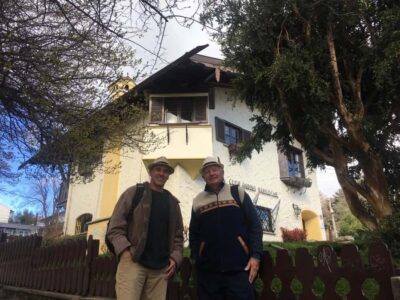
Bariloche: German Immigration and History Walking Tour
Read our review →
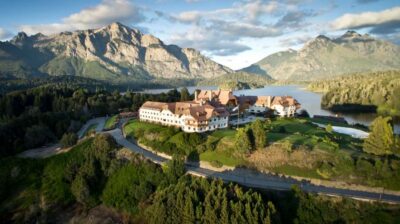
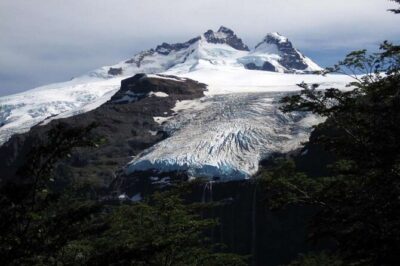
Bariloche Small Circuit: Mt Campanario and Llao Llao Peninsula
Read our review →
From Bariloche: San Martín de los Andes by The 7 Lakes Route
Read our review →Browse the lists this tour appears in