
Reviewed · WINE TOURS
From Cordoba: Private Wine tour & History
Córdoba’s wine country makes a fine day out because it joins two very different pleasures: a working boutique winery and the old Jesuit route north of the city. In one outing, you taste wines made from Córdoba grapes, see how a former Italian family home became a modern winery, and visit an estate with more than 300 years of history.
I like the link between wine and place here. The tasting is not just a parade of glasses, since Terra Camiare connects its vineyards to Córdoba’s early wine trade and the first wine sent to the King of Spain in the 1500s. I also like the private format, with hotel pickup, a guide in English or Spanish, and time for a proper local lunch.
The main drawback is that lunch and drinks are extra, so the $165 price does not cover the meal. The schedule is also full, and the winery, lunch, and Jesuit estate each get roughly an hour. If you want a slow, long winery visit, this will feel brisk.
Key points at a glance
- Terra Camiare uses 100 percent Córdoba grapes: Taste regional Malbec, Chardonnay, Cabernet blends, Isabella, and Frambua.
- A former Italian family home became the winery: The property keeps a link to Colonia Caroya’s immigrant food and wine traditions while using modern equipment.
- Colonia Caroya adds more than wine: The area is known for homemade salame, pasta, and wine made in an Italian style.
- The Jesuit Estancia de Jesús María is UNESCO-listed: This stop brings the Camino Real and Córdoba’s colonial past into the day.
- Private transport keeps the outing simple: Pickup and drop-off are included, with a car for up to three people and a van for larger groups.
- Lunch is your responsibility: The guide takes you to a local restaurant, but food and drinks are not part of the tour price.
Why Córdoba’s wine country is worth the drive
The winery is about 50 minutes from Córdoba City. That makes this a practical choice if you want to get beyond the city without committing to a full-day excursion far into the province.
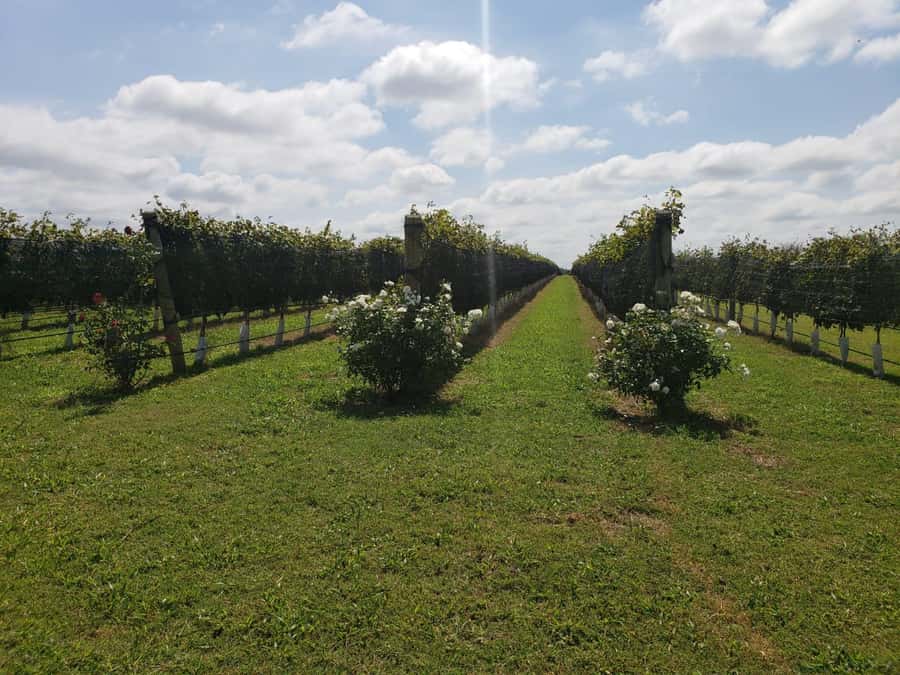
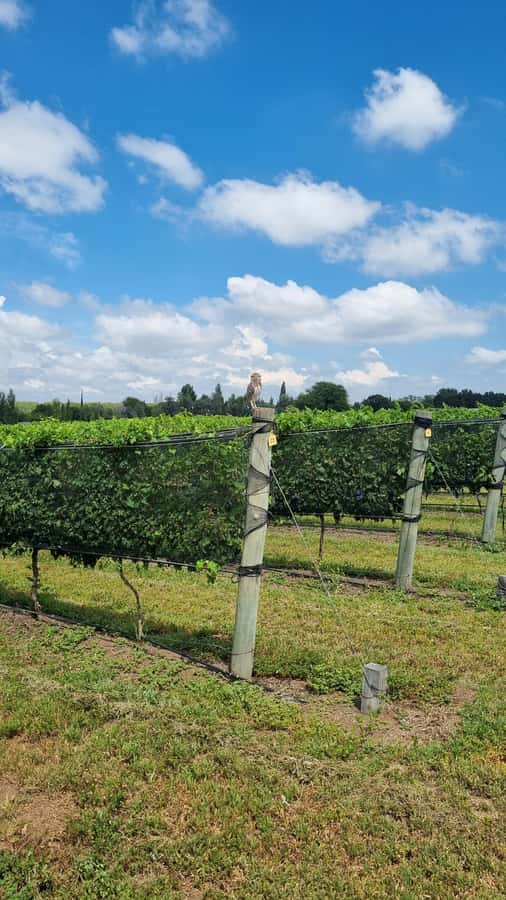
Córdoba is not usually the first Argentine region people name for wine. Mendoza gets most of the attention, but that is part of the appeal here. Terra Camiare focuses on reserve wines made entirely from vineyards in Córdoba Province. You get a clearer sense of local production instead of tasting wines from a famous region you may already know.
The winery produces several familiar styles. Malbec gives you the Argentine classic, while Chardonnay and Cabernet blends broaden the tasting. The local Isabella and Frambua grapes are the more unusual pours, and they give the visit a regional angle that goes beyond the standard Malbec stop.
I would pay close attention during the explanation of the grapes and the winery’s methods. The value is not only in the tasting itself. You are learning why this part of Córdoba can produce wine and how present-day production connects with older agricultural traditions.
more Argentina wineries worth an afternoon
- Mendoza: Half-Day Wine Tour with Tastings
★ 4.3 · 727 reviews - From Salta: Full-Day Tour to Cafayate with Wine Tasting
★ 4.5 · 478 reviews - Full-Day Tour Cafayate Calchaqui Valleys with Wine
★ 4.5 · 347 reviews
Inside Terra Camiare’s former Italian home
Terra Camiare occupies a former Italian family home that was once used as a winery. That detail gives the visit more character than a purpose-built tasting room alone would provide. The property links the immigrant story of Colonia Caroya with current wine production.
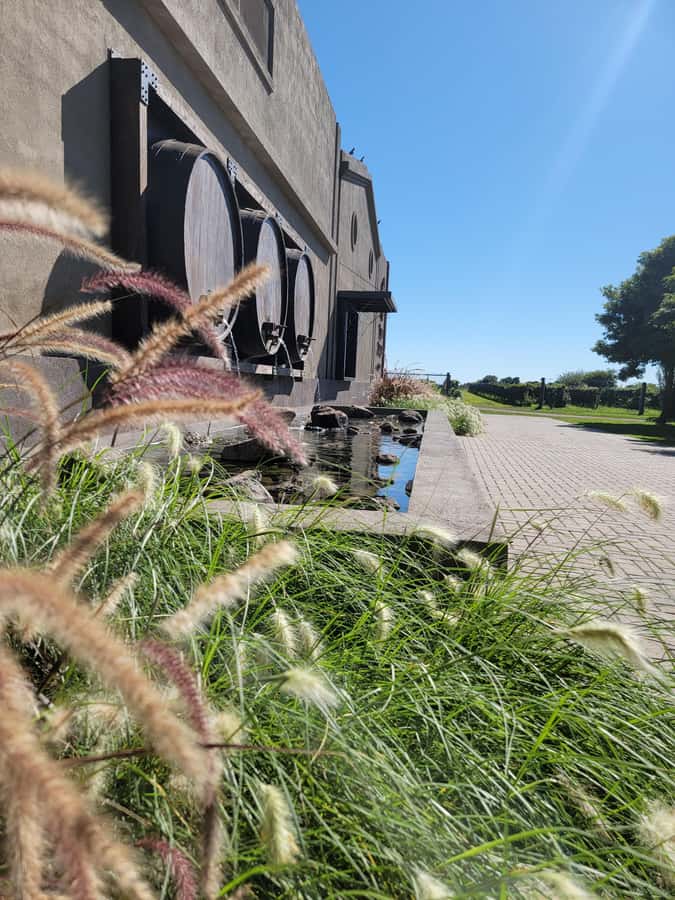
At the same time, the winery is described as high tech and modern. That contrast is useful: you can see an old family and agricultural setting alongside current winemaking equipment and reserve bottlings.
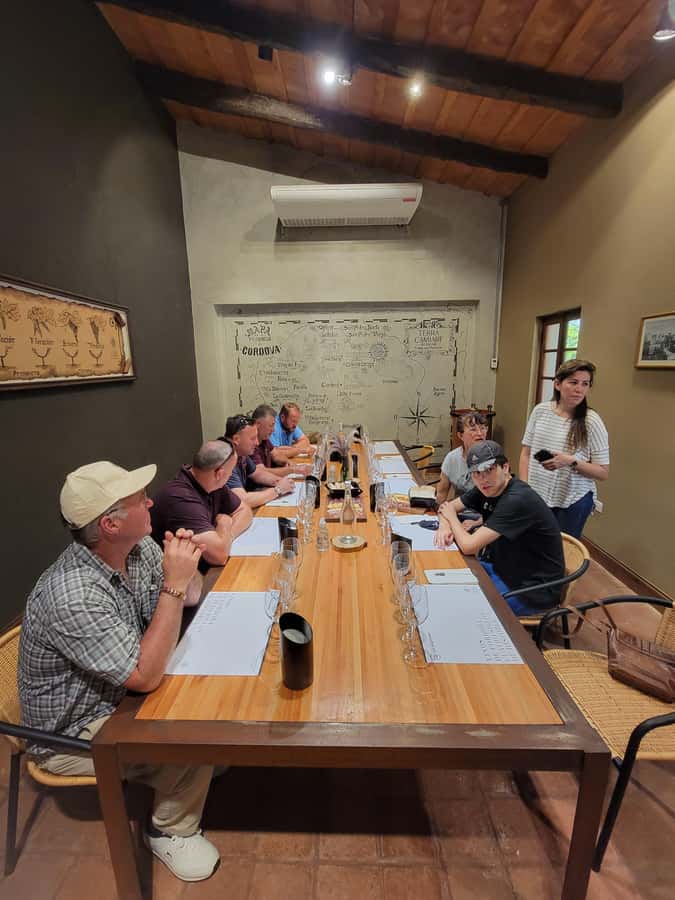
The visit includes the vines, the winery, and a tasting. Expect the guide to explain the production process and the local connection. The precise order can vary, but the experience is designed to show both the source of the grapes and the work that turns them into wine.
The tasting is paired with local Italian-style charcuterie. Colonia Caroya is known for homemade salame, pasta, and wine, so the food helps explain the area’s Italian roots. It is a small but important detail, since wine makes more sense when you taste it with the foods people in the region actually produce.
Do not treat this as an all-you-can-eat meal. The tour description includes appetizers and mentions meals at the winery, but the planned lunch at a local restaurant is separate and food and drinks are not included. Ask your guide what is included in the tasting portion if you need to plan around dietary needs.
Colonia Caroya and the Italian thread
Colonia Caroya is more than a stop on the way to the winery. Italian immigrants brought food and wine customs to the area, and those traditions still shape its local identity.
The salame is especially important to the town’s reputation. Homemade pasta and wine add to the picture. You may not have time for a long food-focused visit, but the tour gives you a useful introduction to how immigration influenced Córdoba’s table and vineyards.
This is one reason I prefer the combined wine and history format to a winery transfer by itself. The trip does not present wine as an isolated product. It places the bottles alongside family traditions, local food, and the movement of people into the region.
The one-hour stop listed for Colonia Caroya includes guided sightseeing, followed by about 30 minutes of wine tasting. That is enough for an introduction, but not enough for a slow, extended tasting. If your main goal is wine study, you may wish there were more time at the winery.
A local lunch, with the bill separate
Lunch comes after the winery visit at a local restaurant. The meal is scheduled for about an hour, and the guide chooses the restaurant as part of the day’s route.
A steakhouse serving Argentine asado was used on one outing, and the meal was described as very good. Another guide brought the group to a place for a delicious asado. That gives you a strong clue about the style of lunch to expect, but it is not a fixed menu or a guaranteed restaurant.
Asado is a natural choice in Argentina, particularly after a wine tasting. Still, you should budget separately for food and drinks. At $165 per person, the tour already includes private transport, guiding, the winery experience, wine tasting, and hotel transfers, but not the restaurant bill.
If you are vegetarian, vegan, or have strict dietary needs, check before booking. The activity is specifically marked as unsuitable for vegans, and the food focus includes charcuterie and an Argentine grill lunch. The available information does not give a vegetarian menu.
more Argentina days to weigh up
- Maria Fumaça – Wines and History
★ 4.0 · 242 reviews - Nazis in Buenos Aires: a historical walking tour
★ 4.9 · 193 reviews - Bariloche: German Immigration and History Walking Tour
★ 4.8 · 169 reviews - San Telmo: Historical Guided Tour with Street Food & Drinks
★ 5.0 · 87 reviews
Following the Camino Real to Jesús María
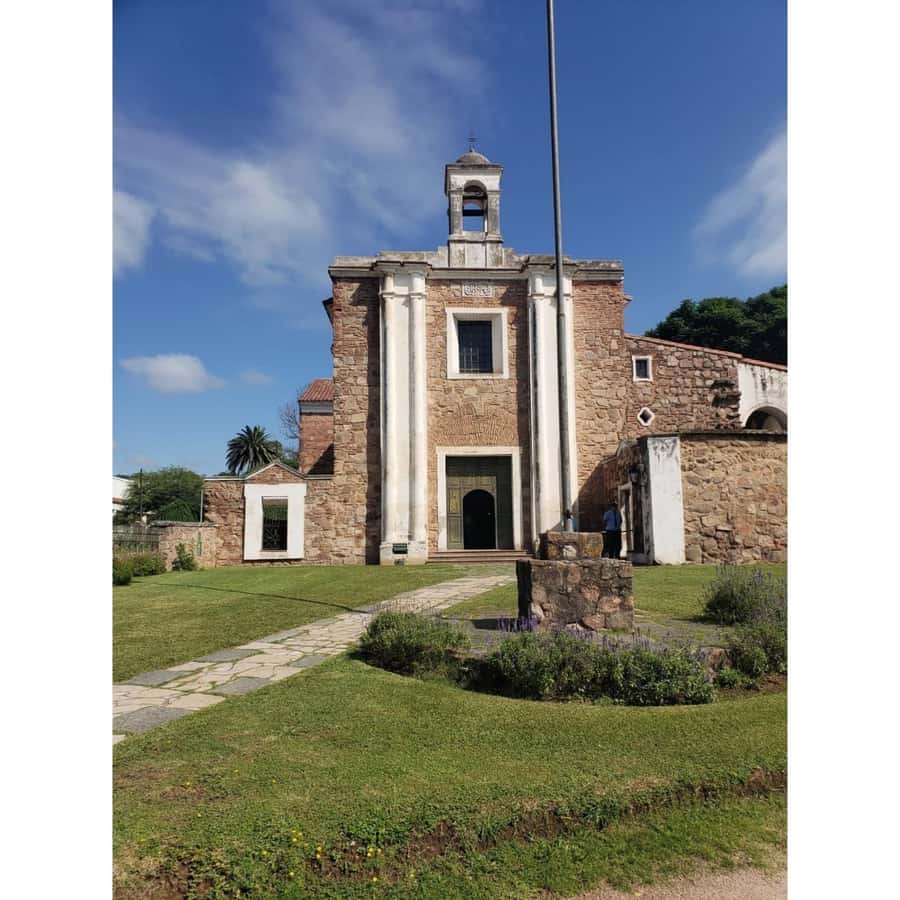
After lunch, the tour turns from wine to colonial Córdoba. You visit the Estancia Jesuitica de Jesús María, a UNESCO World Heritage Monument with more than 300 years of history.
This estate is part of the Camino Real, the historic route that linked important settlements and travel corridors in the region. Your guide helps connect the buildings and grounds to the Jesuit influence in Córdoba, rather than leaving you to look at old walls without context.
The visit includes guided sightseeing and lasts about an hour. That makes it a focused stop. You should have time to understand the site’s role and see its main features, but you are not getting a full museum day.
The Jesuit visit also gives the tour a stronger historical balance. The winery shows Córdoba as a place of current production and regional enterprise. Jesús María shows the older religious, economic, and colonial systems that shaped the province.
One unusual benefit is that local events can add a little life to the stop. During one outing, a rodeo was taking place in the same town, so the group walked among local people during the festivities. That kind of coincidence cannot be promised, but it shows how the private format can place you close to ordinary town life when something is happening.
What the private format changes
The tour starts with pickup from your Córdoba hotel at 10:00 a.m. You should wait in the lobby 10 minutes before departure. At the end, you return to your hotel in Córdoba, so you do not need to arrange a separate taxi or navigate regional buses.
For up to three people, transport is by car. Larger groups use a van. Since this is a private group, you are not sharing the day with strangers or adjusting every stop to a large coach schedule.
That matters most at lunch and during the history portions. You can ask the guide to clarify the wine styles, local politics, or Jesuit influence. Pedro, one of the guides used on the experience, was praised for explaining local wine, history, politics, and Argentina’s economy in clear English. Laura was also singled out for her command of the area and its past, while Peter handled the working-winery explanation well.
Those names do not guarantee who will lead your booking. Guides speak English and Spanish, and guide assignment can change. Still, the experience has a clear strength in its guiding: the best part is likely to be the conversation between stops, not just the fixed sequence of sights.
Timing, comfort, and practical limits
The total duration is six hours. With a 50-minute drive each way, the schedule gives you a compact day outside Córdoba rather than a leisurely country retreat.
Wear comfortable clothes. The tour includes time around vines and a winery, followed by walking at a historic estate. The activity operates rain or shine, so plan for changing weather and bring clothing that works for the forecast.
There is conflicting information about mobility access. The activity details say it is wheelchair accessible, but the restrictions also say it is not suitable for wheelchair users. I would not rely on general accessibility wording here. Contact the provider before paying and ask about the car or van, vineyard surfaces, winery access, restaurant access, and the Jesús María site.
It is also marked as unsuitable for people with visual impairments and people with kidney problems. If either applies to you, ask the provider for a direct assessment before booking. The activity is not a good match for vegans because food is part of the experience and no vegan arrangement is specified.
Is $165 per person good value?
The price is easiest to justify for a small private group that values convenience and a guide’s local knowledge. You receive hotel pickup and drop-off, transport from Córdoba, an English- or Spanish-speaking guide, a winery visit, and wine tasting. You also get two different destinations in one day.
For one person or a couple, $165 is a noticeable spend, especially once you add lunch and drinks. You are paying for private transport and a tailored guide rather than simply purchasing entry to a winery and museum.
For three people sharing the same car, the private arrangement becomes more attractive. A larger group uses a van, so the price still buys a straightforward door-to-door day without the work of organizing transport to Colonia Caroya and Jesús María.
The strongest value comes if you want both wine and history. If you only care about tasting, half the day may feel like a detour. If you only care about the Jesuit sites, you can likely find a more history-centered outing. This tour earns its price by combining the two themes and handling the driving.
Free cancellation up to 24 hours before the start and reserve-now, pay-later booking make the commitment less rigid. The pickup is set for 10:00 a.m., but you should check the available date and exact start details when booking.
Who should book this Córdoba wine and history tour?
I would recommend it to couples, families, and small private groups who want a full but manageable day outside Córdoba. It suits you especially well if you like tasting regional products but also want an explanation of how local history shaped the area.
It is a good fit for first-time visitors to Córdoba who want an easy introduction to the province. You see vineyards, meet the local wine story, eat at a regional restaurant, and visit a major Jesuit site without arranging several separate excursions.
It also works for people who prefer conversation to a large group lecture. The guide can discuss wine production, Italian immigration, the Camino Real, Jesuit influence, and wider Argentine topics. Pedro’s clear English and broad explanations are encouraging for English-speaking visitors, while Spanish guiding is also available.
I would think twice if you want a serious wine course, a long lunch, or a flexible day with no fixed schedule. The winery tasting is only about 30 minutes in the stated itinerary, and lunch lasts about an hour. The day moves at a steady pace.
Should you book it?
Book this tour if you want Córdoba wine and Córdoba history in one private day, with the driving taken care of. Terra Camiare’s local grapes, the Isabella and Frambua tasting, Colonia Caroya’s Italian food traditions, and the UNESCO-listed Jesús María estate give the experience real regional focus.
Skip it if you are vegan, need confirmed wheelchair access, or want a winery-only outing. Before booking, budget for lunch, confirm the mobility arrangements, and understand that the tasting and historic visit are introductions rather than long, leisurely sessions. For the right small group, it is a smart way to see what lies north of Córdoba City.
FAQ
How long does the tour last?
The tour lasts six hours, including transport from Córdoba City, the winery visit, lunch, the Jesús María visit, and the return to your hotel.
What time does pickup take place?
Pickup is scheduled for 10:00 a.m. You should wait in your hotel lobby 10 minutes before the scheduled pickup time.
Is lunch included in the price?
No. Lunch and drinks are not included. The guide takes you to a local restaurant, and an Argentine asado may be available, but you pay for the meal separately.
Which wines can I taste?
The winery produces Malbec, Chardonnay, Cabernet blends, Isabella, and Frambua using grapes grown entirely in Córdoba Province. The tasting selection may vary.
Is the tour offered in English?
Yes. Guiding is available in English and Spanish. Guides associated with the experience include Laura, Peter, and Pedro, but the guide assigned to your booking is not guaranteed.
Is the tour wheelchair accessible?
The provided information is inconsistent. One section describes it as wheelchair accessible, while another says it is not suitable for wheelchair users. Contact Scouting Sur before booking to confirm access for the vehicle, winery, restaurant, and Jesús María site.
Recently added in Argentina
- Perito Moreno Full Day Minitrekking with Transfer & Walkways★ 5.0 · 3 reviews
- El Calafate: Spegazzini and Upsala Glaciers Boat Tour★ 3.7 · 3 reviews
- Ushuaia: Tour: Beagle Channel Navigation★ 4.7 · 3 reviews
- Buenos Aires: Private City Tour by Car with Hotel or Pickup★ 5.0 · 3 reviews
- Iguazu Falls Argentinas Tour and Great Adventure Boat Tour★ 4.7 · 3 reviews
- USHUAIA: LANDSCAPES AND DELIGHTS – CITY TOUR★ 4.5 · 3 reviews
- Buenos Aires: Montserrat, San Telmo, La Boca, and Puerto …★ 5.0 · 3 reviews
- Guided tour Boca Juniors Museum & Stadium + Caminito★ 3.3 · 3 reviews
Wine Tours, compared.
From Salta: Full-Day Tour to Cafayate with Wine Tasting
Read our review →
From Salta: Cafayate, land of wines and imposing ravines
Read our review →
Full-Day Tour Cafayate Calchaqui Valleys with Wine
Read our review →
From Salta: Cafayate Day Trip with Wine Tasting
Read our review →
Buenos Aires: Wine Tasting and Lunch at Bodega Gamboa
Read our review →
Mendoza: Full Day Wine Tour with 3 Course Lunch
Read our review →Browse the lists this tour appears in