
Reviewed · PUERTO IGUAZÚ TOURS
Minas de Wanda – Foz do Iguaçu/Puerto Iguazú
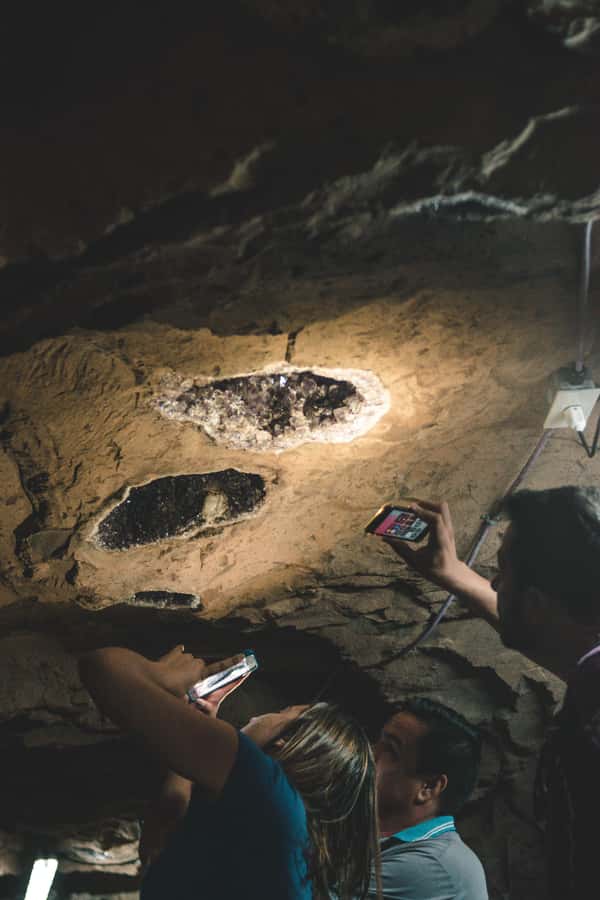
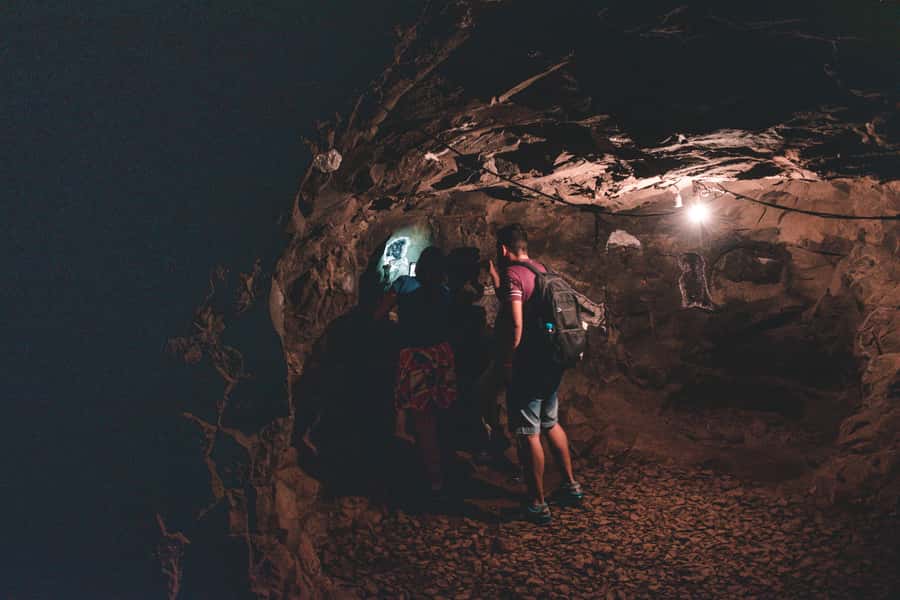
The most unusual part of the Minas de Wanda visit is that this is not only a museum. The mines are still active, and you can watch open-cast and cave extraction while standing close to the rock. Volcanic lava once formed air pockets in the stone, and those spaces later filled with crystals in many colors.
I like the chance to see five separate mines in one visit, and I like the Stone Museum, which gives you a clearer look at local specimens than a rough tunnel alone can provide. The main catch is time: the mine visit lasts about 1.5 hours inside a four-hour outing, and a slow Argentina-Brazil border crossing can use up part of the day.
Key points about Minas de Wanda
- Active mining site: See open-air and cave extraction rather than only finished stones in display cases.
- Five mines to explore: The visit covers a group of mining areas with different workings and rock specimens.
- Volcanic origins: Lava bubbles created spaces where crystals formed over thousands of years.
- Many stone varieties: Look for amethyst, agate, topaz, aquamarine, ruby, emerald, and other local specimens.
- Small-group transport: Shared rides are limited to 15 people and leave from central hotels in Puerto Iguazú or Foz do Iguaçu.
- Plan for extra costs: The $52 price does not include mine admission, the ecotourism fee, food, drinks, or purchases.
Why this short visit is worth your time
Minas de Wanda offers a useful change of pace from the waterfalls. The great falls are about water, scale, and noise. Wanda is quieter and more focused, with the pleasure coming from seeing how stones form and how people remove them from the ground.
You are close to Puerto Iguazú in Argentina, about 45 kilometers from the border with Foz do Iguaçu. That makes this a practical half-day addition if you are staying in either city and want something beyond the usual waterfall schedule.
I would not book it expecting a long underground expedition. This is a guided look at a working mining area, a small museum, and shops. The appeal is the combination of geology, local industry, and shopping, not a dramatic adventure ride through miles of tunnels.
The experience has earned a 4.6 rating from eight published ratings, with the strongest praise focused on the location, the guides, and the way the trip is organized. One important practical warning appears repeatedly in my own planning for this area: the border crossing may be slow. That issue is outside the mine operator’s control, but it still matters if you have a flight, dinner reservation, or another fixed activity later.
more ways to see the iguazú falls
- Foz do Iguaçu: Brazil/Argentina Sides Iguazu Falls Day Tour
★ 4.9 · 1,551 reviews - Iguazu Falls: Gran Aventura Boat and Argentinian Falls Tour
★ 4.4 · 393 reviews - Puerto Iguazu: Iguazu Falls Argentinian Side Full-Day Tour
★ 4.6 · 334 reviews
From Puerto Iguazú or Foz do Iguaçu to Wanda
The tour includes shared round-trip transportation from hotels in the central areas of Puerto Iguazú and Foz do Iguaçu. Pickup and drop-off are available in the city center, which keeps the arrangement simple if you are staying in the main hotel district.
If your lodging is outside the central pickup zone, you can ask the operator to arrange a meeting point. The supplied contact information says to check address availability through WhatsApp before booking. Do this early rather than assuming a distant hotel will be covered.
The full outing lasts about four hours, but only around 1.5 hours is assigned to the guided visit at the mines. The rest allows for driving, pickup, and border formalities when crossing between Brazil and Argentina.
That timing makes the trip easiest to fit into a morning or afternoon. Still, you should leave breathing room around it. A border crossing can be unpredictable, and the shared vehicle may collect other people before heading to Wanda.
The group limit is 15 people. That is small enough for a more personal guide service than a large coach tour, though it is not a private outing. The guide service is available in Portuguese, English, and Spanish, a helpful feature in a region where you may cross national borders in a single day.
Five active mines and two kinds of extraction
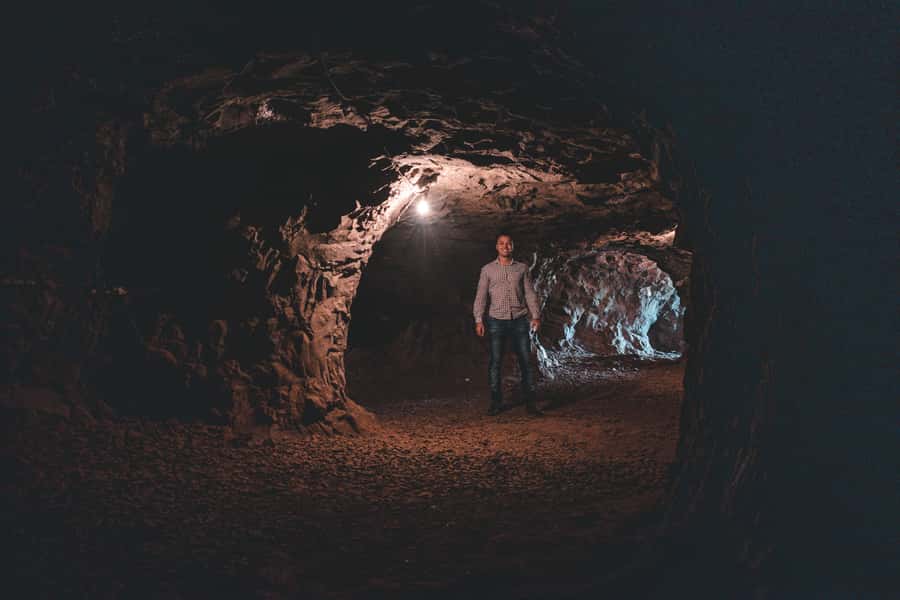
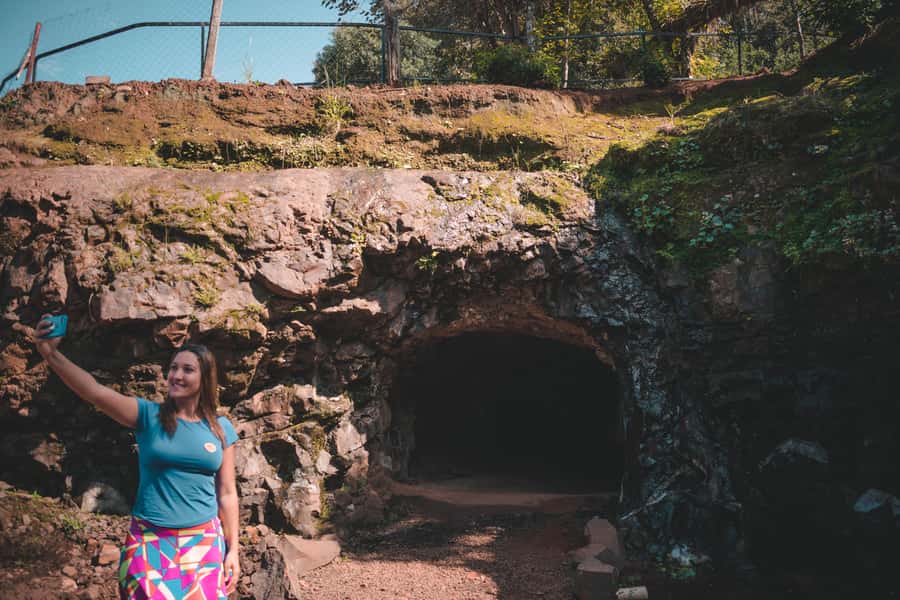
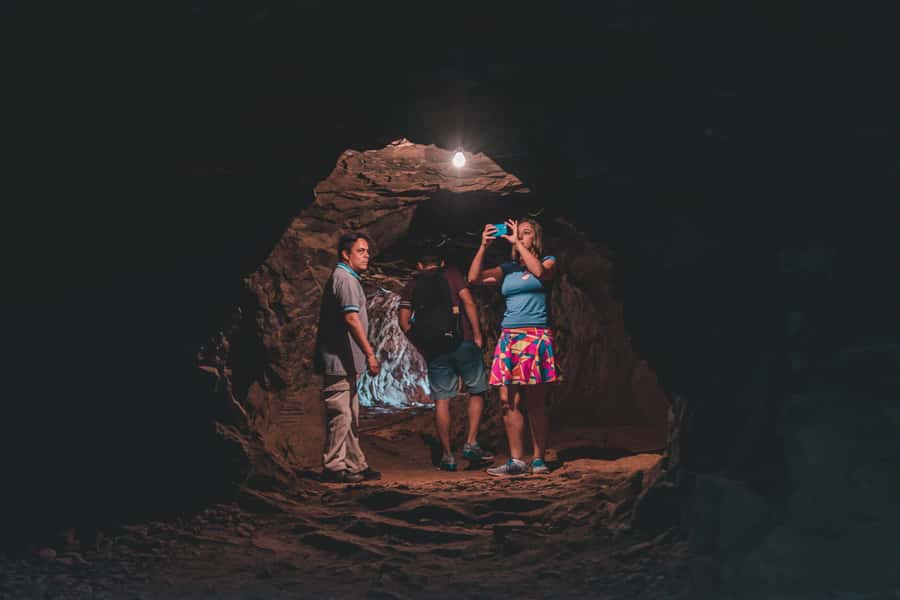
At Wanda, you can see both open-cast mining and work in caves. Open-air extraction lets you view the rock face and the physical area where people remove stone from above ground. Cave work gives you a closer sense of the narrow, careful process of following a mineral pocket into the rock.
The mine remains active, so the visit has a working-site quality that a polished museum cannot reproduce. You may see extraction areas at different stages, including places where the work is still underway.
The mining is artisanal and delicate. Some jobs take more than a year because the stones can be fragile. That detail changes how you view the work. The goal is not simply to break rock quickly. It is to remove material carefully enough to preserve the crystals inside.
You can access five mines during the visit. The supplied information does not assign a different theme to each one, so I would treat the group as a connected mining area rather than five fully separate attractions.
Wear practical shoes and expect an outdoor working environment. Specific ground conditions are not provided, so you should not assume polished paths or museum-style floors. A small bag is more useful than bulky luggage, especially if you plan to browse the shops afterward.
How volcanic lava created the crystals
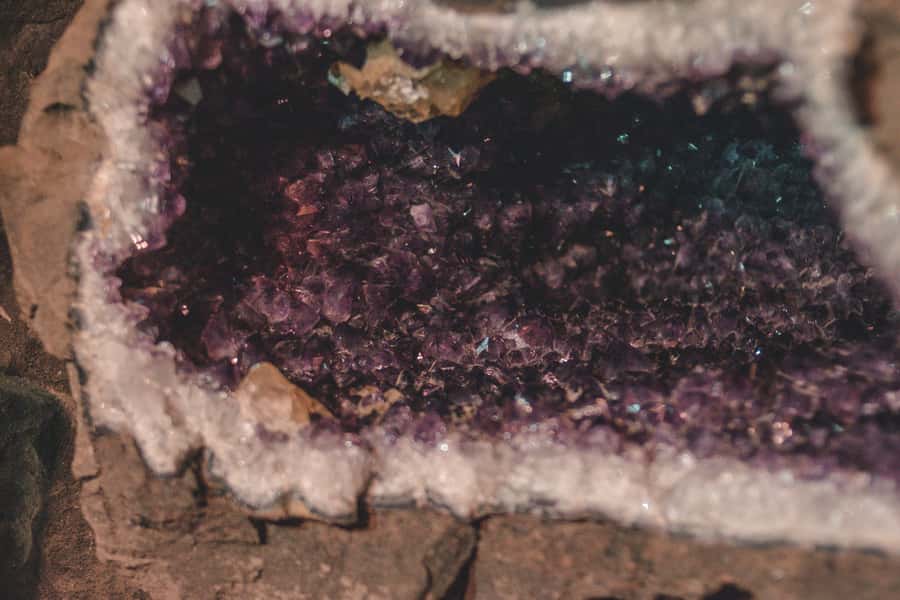
The geological explanation is one of the best reasons to take the tour. Thousands of years ago, volcanic lava flowed through the area. As it cooled, the boiling material created air pockets in the rock.
Those pockets later became spaces where minerals crystallized. The result is a mix of shapes and colors rather than one single type of stone. The guide can connect what you see in the rock to the finished pieces in the museum and shops.
This is a simple explanation, but it gives the visit a clear thread. You are not just looking at attractive purple, yellow, blue, or pink stones. You are seeing the remains of an old volcanic process and then watching people work carefully to recover them.
The mine is particularly useful for families and first-time geology visitors because the subject is visible. You do not need specialist training to understand the basic chain: hot lava, air pockets, mineral growth, mining, cutting, and display.
Completely different, still leaving from Puerto Iguazu:
- Puerto Iguazu: Iguaza Falls Brazilian Side & Bird Park Tour
★ 4.0 · 260 reviews - Full-Day Tour to Iguazu Falls
★ 4.5 · 249 reviews - From Puerto Iguazu: Argentinian Iguazu Falls with Ticket
★ 4.4 · 221 reviews - From Puerto Iguazu: Half-Day Brazilian Falls Excursion
★ 4.2 · 180 reviews
What stones can you see?
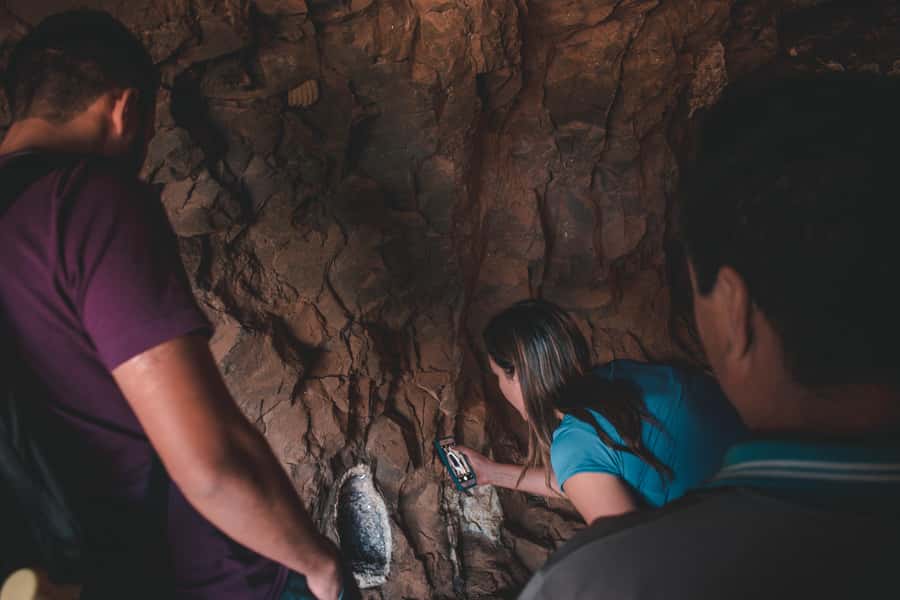
The site lists at least 52 varieties of local stones and minerals. The exact specimens available to view or buy can vary, but the range includes:
- Amethyst
- Agate
- Topaz in yellow, blue, and brown
- Aquamarine
- Emerald
- Ruby
- Pink rock crystal
- Venus crystal
The color range is part of the fun. Amethyst gives you the familiar purple tones, while topaz may appear yellow, blue, or brown. Pink rock crystal offers a softer shade, and agate often shows layered patterns.
The names can sound grander than the individual pieces you see, so keep expectations sensible. This is a working mining site and local collection, not a major national museum with rare stones presented as high-value treasures.
The Stone Museum and the specialist shops
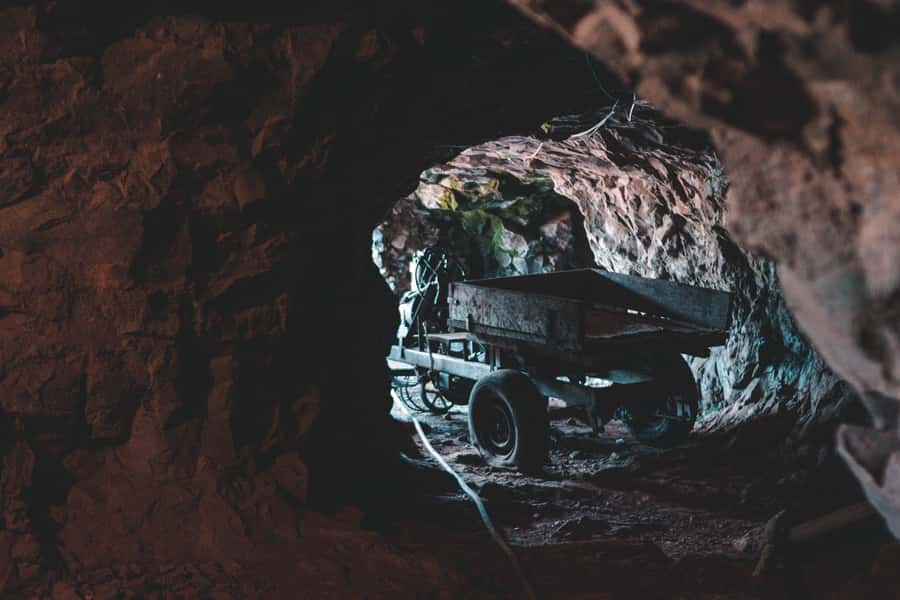
The Stone Museum displays local specimens and gives you a second way to understand the area. In the mine, you focus on rough rock, extraction points, and the setting. In the museum, you can compare examples more easily and see the variety gathered in one place.
I find this pairing valuable because it helps you connect the raw material to the finished sample. A stone that looks ordinary in a rock wall can appear quite different once it has been cleaned, cut, or polished.
The park also has specialized shops selling raw and worked samples. This is where the visit can become expensive if you stop paying attention. The $52 tour price does not include personal purchases, and the mine admission and ecotourism fee are also separate.
Set a spending limit before you browse. Raw pieces can appeal to children and casual collectors, while worked stones may suit someone looking for jewelry or a more finished souvenir. Ask about prices and what you are buying before committing, especially if you are comparing several pieces.
Shopping is optional, but it adds a local connection that you do not get from a standard museum display. You can leave with a small piece of Misiones rather than only a photograph.
Is the $52 price good value?
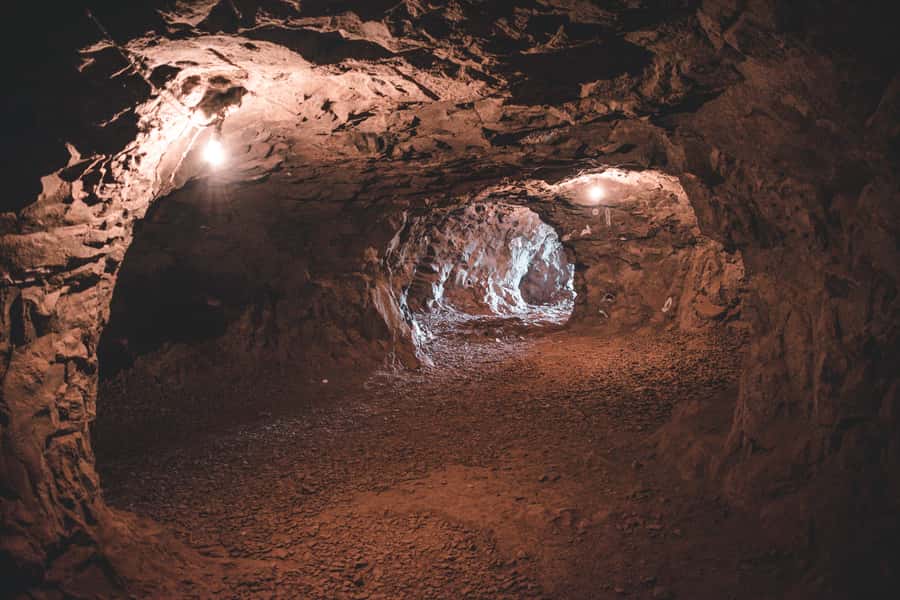
At $52 per person, the value depends on how you use the outing. The cost includes shared transportation from central hotels and a guide, which is useful if you are based in Foz do Iguaçu or Puerto Iguazú and do not want to arrange the cross-border journey yourself.
It does not cover admission to Minas de Wanda or the ecotourism fee. You also pay for food, drinks, and anything you purchase at the shops. Before booking, ask for the current admission and fee amounts so you know the real total.
The price makes more sense for visitors without a car, families who prefer a planned transfer, and anyone who wants explanations in Portuguese, English, or Spanish. If you already have reliable transport and only want to walk around the site independently, the included ride may be less important to you.
The short guided visit is the main value question. Some people will find 1.5 hours enough for a clear introduction to the mines. Others may feel it ends too soon, especially if they want a longer underground experience or more time to study each specimen.
I would judge the tour as a reasonable half-day supplement, not a full-day attraction. Its best value comes from combining transport, interpretation, five mining areas, the museum, and access to a working site in one package.
The guide makes the difference
The tour includes a live guide in Portuguese, English, or Spanish. Good guiding matters here because the mine itself may not explain what you are seeing. Without context, an air pocket, rock face, or partly opened cave can look like an ordinary patch of stone.
The guide’s role is to explain the volcanic formation, identify the different stones, describe the mining methods, and point out how careful extraction works. Previous experiences with this operator have been especially positive about the guide’s knowledge of the mines and the surrounding area, as well as the entertaining presentation.
No guide names are provided, so you should not expect to request a particular person. The useful question is which language is available on your departure and whether the small group will share one language or operate with multilingual explanations.
A small group of up to 15 helps. You can hear the explanation more easily than on a large bus, and you have a better chance to ask about a stone or mining method. The group size does not guarantee a private pace, so keep the visit’s fixed 1.5-hour schedule in mind.
Who will enjoy Wanda most?
I would recommend Minas de Wanda to:
- Families looking for an educational stop that is different from the waterfalls.
- People interested in geology, crystals, volcanic activity, or traditional mining.
- Shoppers who want raw or worked local stones.
- Visitors staying in central Puerto Iguazú or Foz do Iguaçu who prefer included transport.
- Anyone with a free half-day and a willingness to cross the border.
You may want to skip it if your schedule is already tight, if you dislike organized transport, or if you expect a large underground mine with a long cave route. The visit is informative and unusual, but it is not designed as an all-day expedition.
It also works best when you can accept a little uncertainty in the road schedule. The border can slow the ride, and the four-hour estimate should not be treated as a guarantee for every day.
Practical booking advice
The tour offers free cancellation up to 24 hours before departure, with a full refund. You can also reserve now and pay later, which helps if your plans between Brazil and Argentina are still moving around.
Check the available starting times before booking because the tour’s duration is fixed but the departure schedule may vary. Confirm your hotel pickup, especially if you are outside the central area.
Although the booking information says you can skip the ticket line, admission itself is not included. Read that distinction carefully: the transfer may help you avoid a ticket queue, but you still need to pay the mine entrance charge and ecotourism fee.
Bring a little extra money if you want stones or drinks. Food and drinks are not included, and personal expenses remain your responsibility.
Should you book Minas de Wanda?
Book this tour if you want a compact, well-organized outing that adds geology and local mining to your Foz do Iguaçu or Puerto Iguazú stay. I especially like it for families, first-time visitors, and anyone who wants to see stones in the ground before seeing them polished in a shop.
Skip it if your priority is a long cave adventure or if a strict timetable cannot tolerate a border delay. The mine visit is fairly short, but the active workings, five mining areas, Stone Museum, multilingual guide, and included round-trip ride give the experience a clear purpose.
For a half-day away from the waterfalls, Minas de Wanda offers something genuinely different: not just a display of pretty stones, but a look at where they come from and how carefully people bring them out.
FAQ
Where is Minas de Wanda located?
Minas de Wanda is in Misiones Province, Argentina, close to Puerto Iguazú and about 45 kilometers from the border with Foz do Iguaçu.
How long does the full activity last?
The full activity lasts about four hours, including transportation. The guided visit at the mines lasts approximately 1.5 hours.
How many mines can I visit?
You can access five mines during the tour.
Is Wanda still an active mine?
Yes. The site continues to use open-cast and cave mining, and the tour lets you observe both forms of extraction.
Which languages are available?
Live guiding is available in Portuguese, English, and Spanish.
Where does pickup take place?
Shared transportation departs from hotels in the central areas of Puerto Iguazú and Foz do Iguaçu. A meeting point may be arranged for lodging outside those areas, subject to availability.
Is admission to the mine included in the $52 price?
No. The mine admission and ecotourism fee are not included.
Can I buy stones at Minas de Wanda?
Yes. Specialized shops sell raw and worked samples, and the park has a Stone Museum with local specimens.
Can I cancel the booking for a refund?
You can cancel up to 24 hours in advance for a full refund. The activity also allows you to reserve now and pay later.
Recently added in Puerto Iguazu
- Iguazu Falls Argentinas Tour and Great Adventure Boat Tour★ 4.7 · 3 reviews
- Private Tour “Dawn at the Iguassu Falls”.★ 4.3 · 3 reviews
- Wanda Mines and San Ignacio Ruins Tour from Puerto Iguazu★ 3.3 · 3 reviews
- Iguazu Falls: Brazil & Argentina in One Day (Private)★ 4.4 · 3 reviews
- Visit Guarani village at Mborore Fort with brunch★ 3.4 · 5 reviews
- Puerto Iguazú: Madero Tango Show with Optional Dinner★ 4.7 · 5 reviews
- Iguazu Falls: Guided Tour in Argentinean Side★ 5.0 · 7 reviews
- Wanda Mines and San Ignácio Ruins (Foz/Puerto Iguazu)★ 3.4 · 8 reviews
Puerto Iguazú Tours, compared.
Foz do Iguaçu: Brazil/Argentina Sides Iguazu Falls Day Tour
Read our review →
Iguazu Falls: Gran Aventura Boat and Argentinian Falls Tour
Read our review →
Puerto Iguazu: Iguazu Falls Argentinian Side Full-Day Tour
Read our review →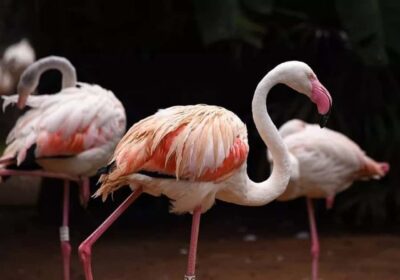
Puerto Iguazu: Iguaza Falls Brazilian Side & Bird Park Tour
Read our review →
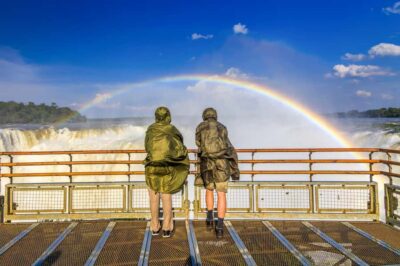
From Puerto Iguazu: Argentinian Iguazu Falls with Ticket
Read our review →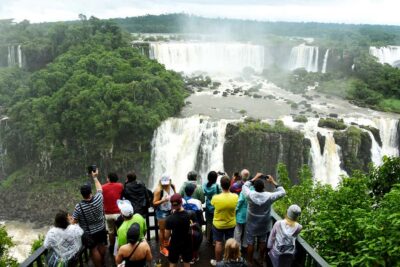
From Puerto Iguazu: Half-Day Brazilian Falls Excursion
Read our review →
Iguazu in 2 Days: Argentina & Brazil Sides of Iguazu Falls
Read our review →Browse the lists this tour appears in