
Reviewed · SALTA TOURS
Salta: Quebrada de Humahuaca and Purmamarca Day Trip
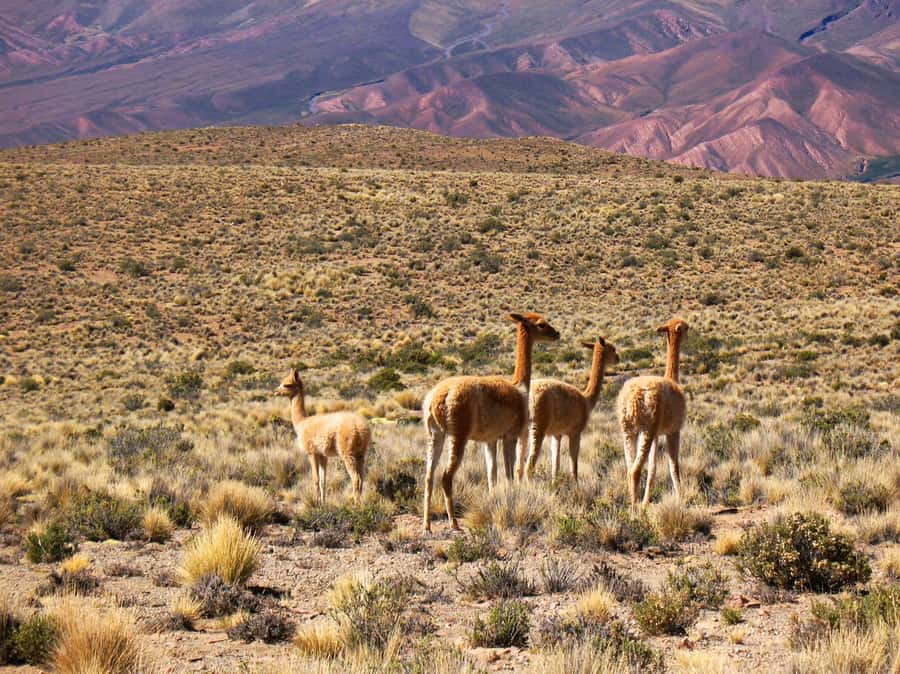
The Quebrada de Humahuaca is the star here, with bands of red, yellow, purple, and gray rock changing as the road climbs north from Salta. This is a big day, but it packs several of Argentina’s most memorable Andean towns into one route.
I like the chance to see Purmamarca’s craft market and the painted angels in Uquía, two stops that feel more distinctive than a simple photo stop. I also like that the route includes Tilcara’s archaeological ruins and San Salvador de Jujuy, giving you nature, local life, and colonial sights in one outing.
The drawback is simple: 13 hours means a lot of road time. A past booking note also raised concerns about last-minute confirmation and an emergency WhatsApp contact, while another visitor felt there were too many shop stops. Confirm the pickup details early and book this only if you are comfortable with a full day in a vehicle.
Key points to know before booking
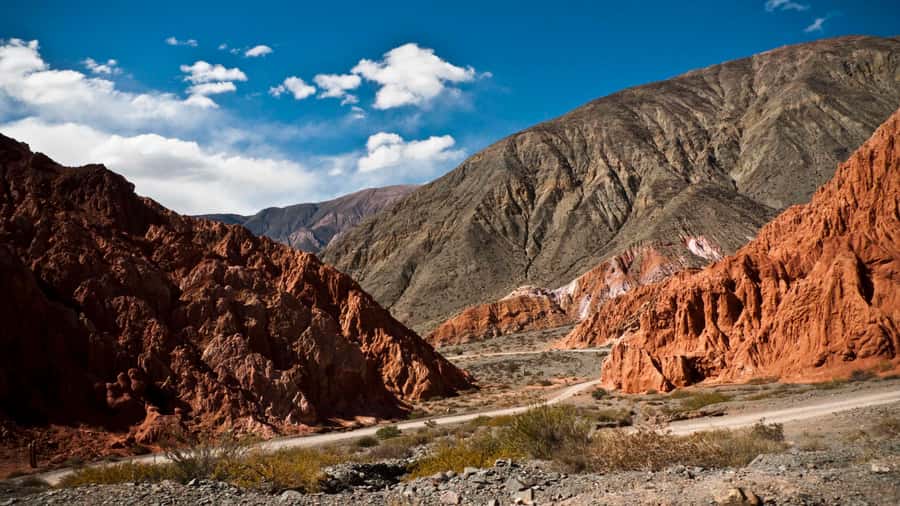
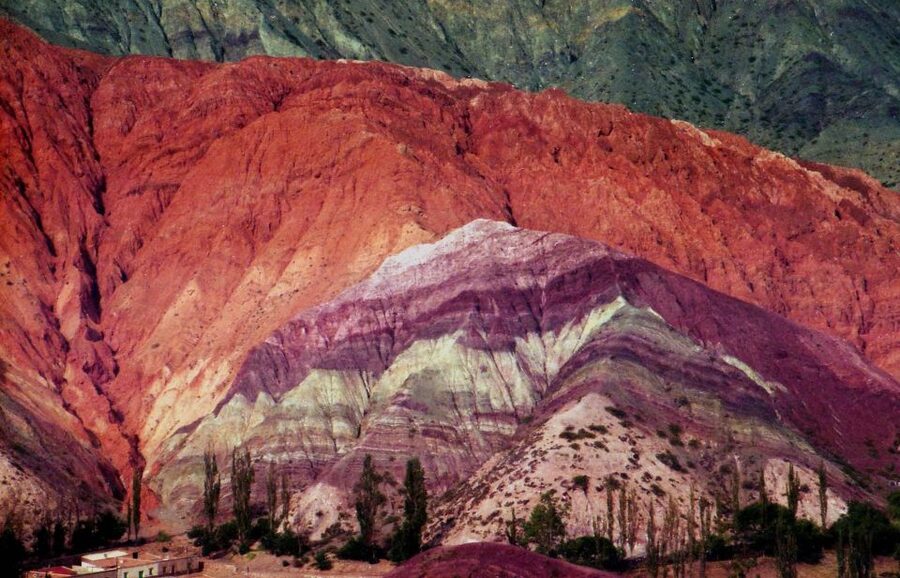
- Purmamarca opens the day with the Seven-Colored Hill, a short walk through narrow streets, a church, and a square craft market.
- Tilcara adds real archaeological interest, with ancient ruins and a museum, but the entrance fee is extra.
- The route crosses the Tropic of Capricorn, then passes the striped rock formation known as La Pollera de la Coya.
- Uquía is worth attention for its Arcabuceros Angels, unusual colonial paintings housed in the local church.
- Humahuaca and Jujuy broaden the day, adding an independence monument, a cathedral, carved wood, goldwork, and statues by Lola Mora.
- The $111 price buys transport and a bilingual guide, but lunch, drinks, and the Tilcara ruins fee are not included.
From Salta to the Seven-Colored Hill
Your hotel pickup in Salta begins a long northbound day. The excursion lasts about 13 hours, so expect the driving to be part of the experience rather than a minor link between stops.
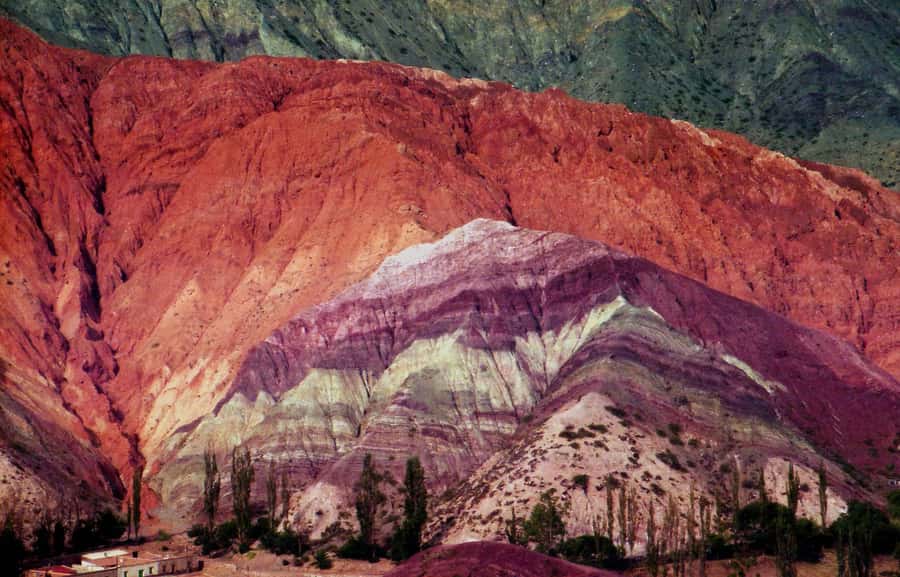
The first major visit is Purmamarca, a village known for the Seven-Colored Hill. The colors come from layers of rock, and the view works best when you pause instead of rushing straight to a photograph. You get a brief walk through narrow streets, with time to see the church and browse the craft market on the square.
This is a good first stop because it gives you an immediate sense of the Quebrada’s character. The town is small, and the visit is not built around a long hike or a detailed guided walk. You will have to make choices quickly: take in the hill, look at the church, browse crafts, and get your bearings before the group moves on.
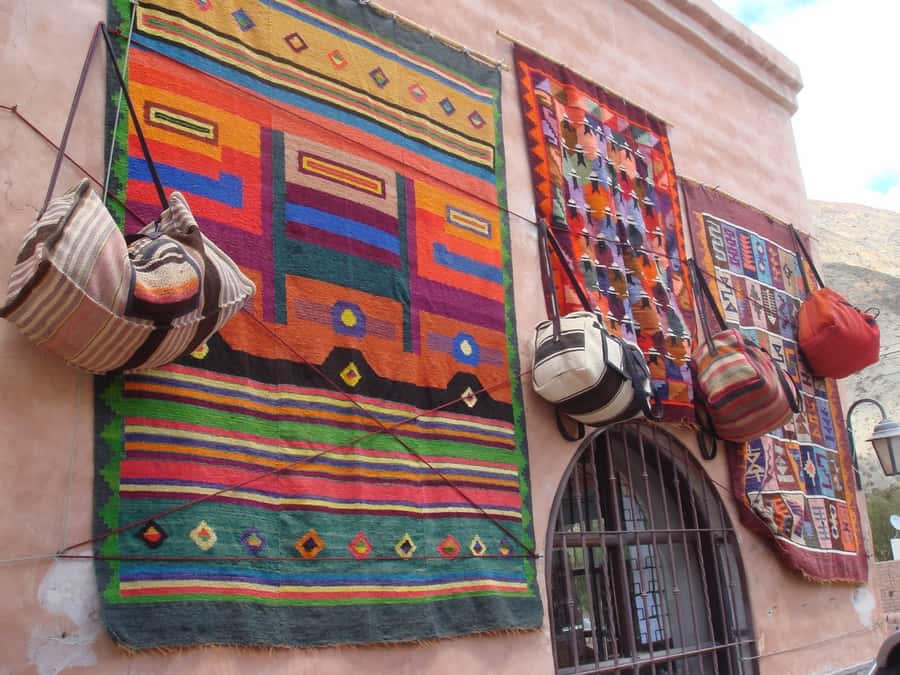
The market may appeal if you are looking for local textiles, small souvenirs, or Andean-style crafts. It is also one of the places where the shopping element can feel more prominent than expected. If you prefer ruins and museums to stalls, keep your browsing short and save your attention for the later stops.
more Salta days to weigh up
- From Salta: Full-Day Trip to Salinas Grandes and Purmamarca
★ 4.6 · 914 reviews - From Salta: Cafayate Day Trip with Wine Tasting
★ 4.4 · 226 reviews - One Day Tour of Cachi and Calchaquí Valleys from Salta
★ 4.0 · 102 reviews
Tilcara’s ruins and museum
The tour continues to Tilcara, one of the main cultural stops on the route. Here you visit ancient ruins and the archaeological museum, giving the day more substance than a string of scenic viewpoints.
The ruins provide a direct connection to the people who lived in this highland region long before modern Argentina. The visit is especially useful if you want context for the valleys and settlements you are seeing from the road. The museum adds another layer, although the amount of time available will depend on the day’s pace and the group.
The entrance fee to the Tilcara ruins is not included, so bring money for that extra cost. Food and drinks are also on your own. At $111, the outing is not an all-inclusive day, but the price covers round-trip transfers and a Spanish and English-speaking guide.
Tilcara is the stop where timing matters most. You have a lot still ahead, including Uquía, Humahuaca, Jujuy, and the long return to Salta. If you want to study every display and walk every part of the ruins, a separate Tilcara visit would give you more freedom. On this tour, think of it as a focused introduction.
Crossing the Tropic of Capricorn
As the road continues north, you cross the Tropic of Capricorn. That geographic marker is a small but memorable part of the trip, especially because it adds a clear sense of how far south you are while moving through the highland route.
You also see the rock colors known as La Pollera de la Coya. The name refers to the appearance of a traditional skirt, and the formation is another example of how the Quebrada keeps changing its colors and shapes.
This section is mainly viewed from the vehicle, so keep your camera ready and listen for the guide’s explanation. The exact amount of time spent outside the vehicle is not specified. That matters because this is a sightseeing drive, not a walking tour of every point along the road.
If you like geology, wide views, and changing scenery, the drive itself will reward you. If you need frequent activity, the long stretches between stops may feel slow. Comfortable shoes are required for the walking portions, but you should also dress for a day that mixes roadside viewing with town visits.
Uquía and the Arcabuceros Angels
Uquía is a smaller stop, but it has one of the day’s most unusual sights: the church paintings of the Arcabuceros Angels. These colonial images show angels carrying firearms, a striking blend of religious art and military symbolism.
The church visit gives you something different from the colored hills and archaeological remains. It is also a reminder that the route is not only about scenery. The towns along the Quebrada hold churches, public monuments, craft traditions, and local stories that reward a little attention.
The supplied schedule does not promise a long church visit, so do not expect an extended art-history lesson. You will get the chance to see the church and its paintings as part of a tightly timed route. A bilingual guide can help put the images in context, and the guide service is offered in Spanish and English.
One past booking experience praised the local guide as very capable and able to work in three languages. The official tour information lists Spanish and English, so Italian should not be assumed when booking. If language support matters to you, ask the operator directly before paying.
Completely different, still leaving from Salta:
- From Salta: Full-Day Tour to Cafayate with Wine Tasting
★ 4.5 · 478 reviews - From Salta: Salinas Grandes, Purmamarca & Los Colorados Hike
★ 4.3 · 356 reviews - From Salta: Cafayate, land of wines and imposing ravines
★ 4.4 · 347 reviews - Full-Day Tour Cafayate Calchaqui Valleys with Wine
★ 4.5 · 347 reviews
Midday in Humahuaca
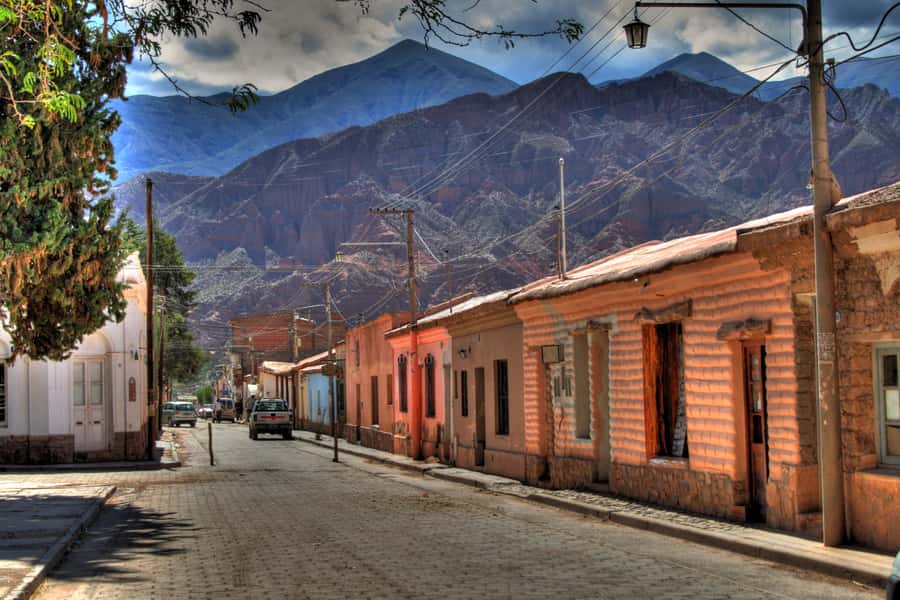
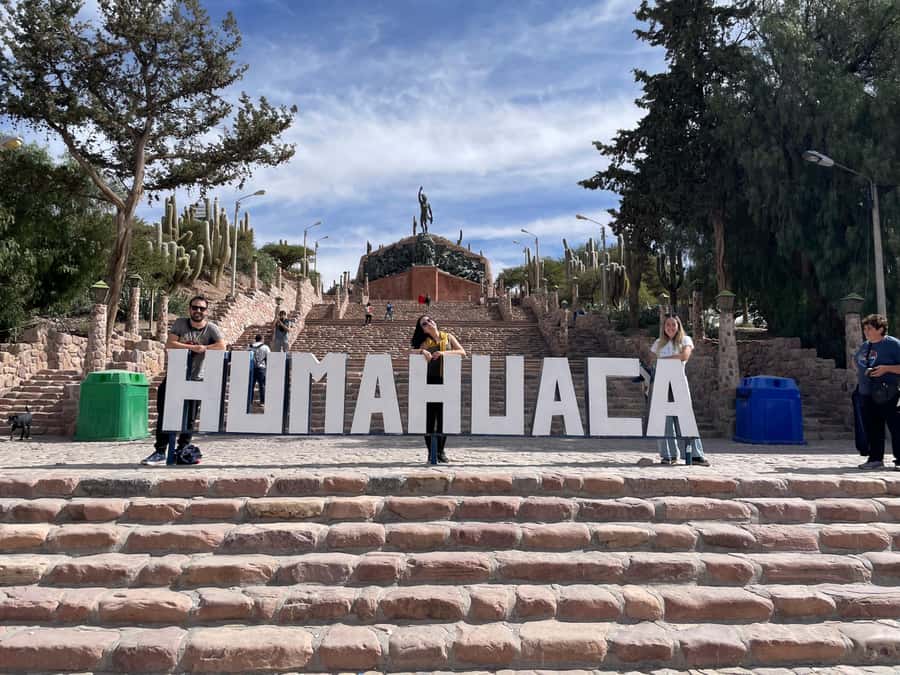
You reach Humahuaca around noon, making it the central town visit of the day. The town has an important church and an independence monument created by sculptor Soto Avendaño.
Humahuaca is a good place to slow down for a moment. After the morning’s hills, ruins, and road stops, the town gives you a more urban setting in the middle of the highland route. The independence monument adds national history to a day that so far has focused on geology and local culture.
Lunch follows, but it is not included in the tour price. You will need to pay for your own food and beverages. Since the day is long, do not treat lunch as optional. You still have several visits and a long drive back to Salta.
The tour format means lunch is likely part of the group schedule rather than a leisurely meal of your own choosing. That can be convenient, but it limits independence. If you are particular about restaurants or need a special diet, confirm what arrangements are possible before departure.
Maimara and La Paleta del Pintor
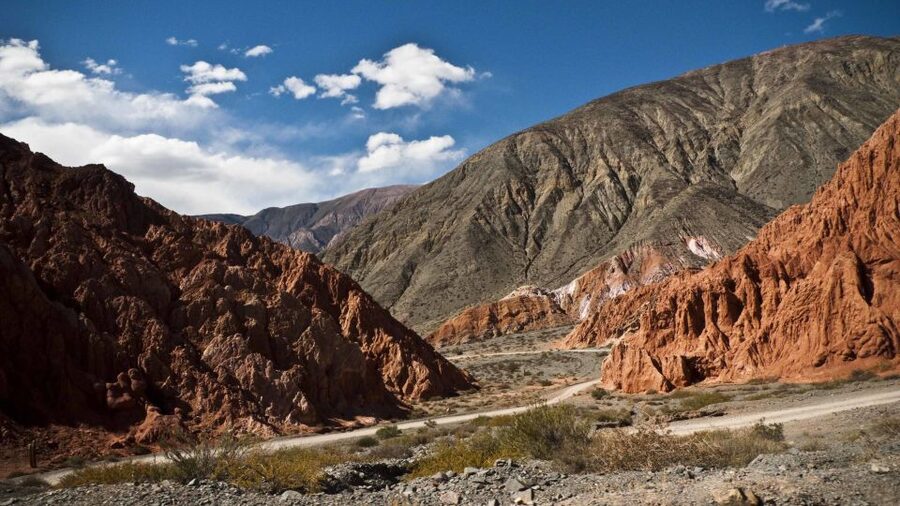
After Humahuaca, the road passes La Paleta del Pintor, a colorful formation that frames the town of Maimara. This is another scenic viewing point rather than a major walking stop.
Maimara’s setting makes a strong contrast with Purmamarca. Instead of focusing only on a village square, you see a town placed against a broad wall of layered rock. The name La Paleta del Pintor, or the painter’s palette, fits the bands of color visible across the formation.
This is one of the places where a window seat can be useful. The experience depends on seeing the rock face from the road, and the view may pass quickly. Keep your belongings close and your camera accessible, but do not bring a large bag. Luggage and large bags are not allowed on the activity.
San Salvador de Jujuy’s civic and religious sights
The route then continues to San Salvador de Jujuy, where you visit the Flag Hall and the Cathedral. This changes the tone of the day again, moving from small Quebrada towns to the provincial capital.
The Cathedral is noted for its carved wooden and gold pulpit, along with statues by Lola Mora. Those details make the stop worthwhile even if you have already seen several churches during your Argentina trip. The interiors give you a chance to focus on craftsmanship rather than scenery.
The Flag Hall adds a civic and national element. Together, the hall and cathedral make Jujuy more than a quick city pass-through. Still, this is a packed excursion, so you should expect a brief introduction rather than the freedom to explore the city at your own pace.
I like the inclusion of Jujuy because it prevents the tour from becoming only a scenic drive through the Quebrada. The tradeoff is that every added stop reduces the time available at earlier places. You gain range, but not much depth.
The long return through Route 9
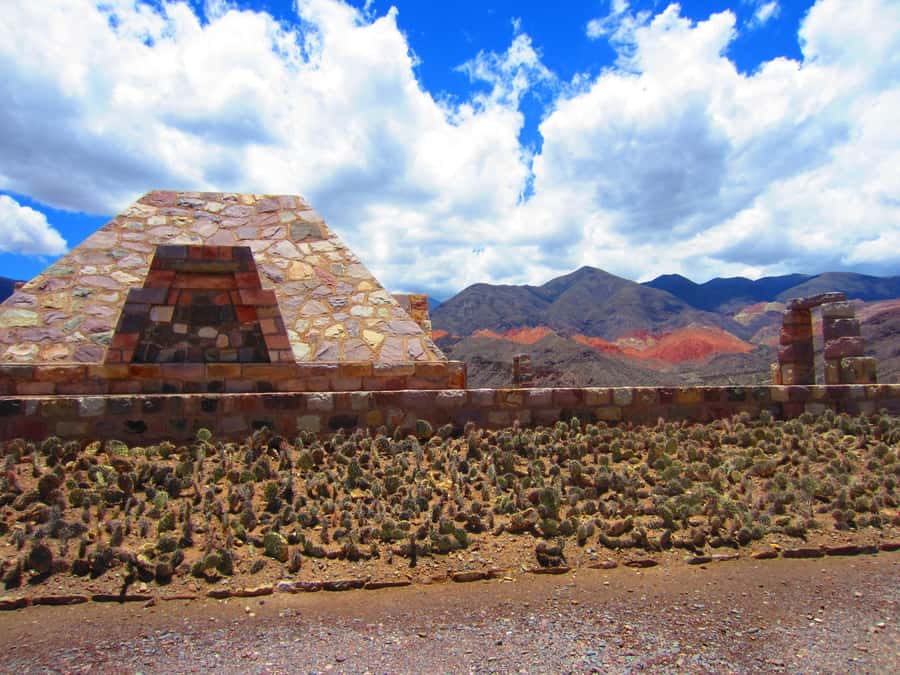
The return to Salta follows National Route 9 through abundant subtropical vegetation. The scenery shifts again, which is one of the most rewarding parts of taking the complete loop rather than returning over exactly the same visual experience.
The final stretch passes El Abra of Santa Laura, La Cienaga dam, Las Maderas, and Campo Alegre. These names may mean little before the trip, but together they mark the gradual change from the dry, colorful Quebrada toward greener surroundings closer to Salta.
By this point, fatigue is the main issue. You will have been on the road for many hours, and the return sights are viewed late in the day. I would not book another evening activity in Salta after this excursion. Leave room for a late arrival and a quiet meal.
The return drive also explains why this tour suits people who want to cover a great deal in one day, but not those seeking a slow, unhurried visit. You see many places, yet the schedule leaves little room to linger.
Is $111 a fair price?
At $111 per person, the value rests on how you price convenience. You receive hotel pickup in Salta, round-trip transport, and a live guide in Spanish and English. That saves you from arranging a long route through several towns and handling the return drive yourself.
The price does not cover lunch, drinks, or admission to the Tilcara ruins. These extras are not unusual, but they should be included in your day’s budget. The tour is better value if your main goal is to see the major sights from Salta without changing hotels or arranging separate transport.
It is less appealing if you want extended time in each town. A self-guided trip or a private arrangement could let you stay longer in Purmamarca, Tilcara, or Humahuaca, though the total cost and planning would change.
The published rating is 4.2 from 19 ratings, which suggests a generally positive experience but not a perfect one. The strongest praise centers on the local guide, including an account of a guide who handled several languages with warmth and skill. The main cautions concern communication before departure and the feeling that some stops may lean toward shopping.
Practical advice for a smoother day
Confirm your pickup time and meeting details before the evening before departure. One past booking problem involved confirmation arriving only by email the night before, with an unsatisfactory exchange through the emergency WhatsApp number. The listed office number is +54 11 3221-8400, available Monday through Friday from 9:00 to 18:00.
Wear comfortable shoes for the walks in Purmamarca, Tilcara, Uquía, Humahuaca, and Jujuy. Bring your passport or ID card, as requested in the tour information.
Pack light. Large bags and luggage are not allowed, so take only what you need for the day. Water and lunch are not supplied by the tour, but the operator does not list food or drinks as included, so plan to buy or carry what is permitted.
The free-cancellation policy allows you to cancel up to 24 hours in advance for a full refund. You can also reserve now and pay later, which helps if your Salta plans are still shifting.
Who should book this Quebrada day trip?
This tour fits you best if you have limited time in Salta and want a broad look at the Quebrada de Humahuaca. It works well for first-time visitors who value an included driver and guide more than a flexible schedule.
It is also a good match for anyone interested in a mix of scenery and culture. You get colored rock formations, an archaeological site, a church with unusual angel paintings, an independence monument, a cathedral, and local craft shopping.
I would think twice if you dislike long drives, organized group timing, or commercial stops. The day includes many hours in transit, and one past experience found the shopping stops too frequent. If your ideal outing means sitting for a long time in one Andean village, this itinerary tries to cover too much.
Should you book it?
Book this trip if your priority is maximum coverage from Salta in one day. The route reaches Purmamarca, Tilcara, Uquía, Humahuaca, Maimara, and San Salvador de Jujuy without requiring you to organize a complicated transport plan.
Skip it if you want deep time at the ruins, a relaxed lunch, or an unhurried look at each village. The best way to enjoy it is to accept the long schedule, confirm pickup details early, bring comfortable shoes and a small bag, and treat the road between stops as part of the Quebrada experience.
FAQ
How long does the tour last?
The excursion lasts approximately 13 hours, including the journey from Salta, the visits along the route, and the return drive.
Where does pickup take place?
Pickup is included from your hotel in Salta.
Which languages does the guide speak?
The tour provides a live guide in Spanish and English.
Is lunch included?
No. Food and beverages are not included, and you should budget separately for lunch in Humahuaca.
Is the entrance fee to the Tilcara ruins included?
No. The entrance fee to the Tilcara ruins is paid separately.
What should I bring?
Bring your passport or ID card and comfortable shoes.
Can I bring luggage or a large bag?
No. Luggage and large bags are not allowed on the activity.
Can I cancel for a refund?
Yes. You can cancel up to 24 hours in advance for a full refund.
Can I reserve now and pay later?
Yes. The booking option allows you to reserve your place and pay later.
Recently added in Salta
- From Salta: Cafayate, Salinas Grandes, & Hornocal Tour★ 4.7 · 3 reviews
- From Salta: 3-Day Cafayate, Cachi, and Humahuaca Guided Trip★ 4.7 · 3 reviews
- Salta en un Bocado – Cultural Tour & Empanada Tasting★ 5.0 · 3 reviews
- From Salta: Cafayate, Cachi, & Hornocal 3-Day Tour★ 4.0 · 3 reviews
- Salta: Tour to the Salinas Grandes and Purmamarca★ 3.7 · 3 reviews
- From Salta: Cachi and Salinas Grandes 2-Day Guided Trip★ 4.1 · 3 reviews
- From Salta: Full-Day Tours of Cachi and Salinas Grandes★ 4.5 · 3 reviews
- From Jujuy: Yala and Termas de Reyes Half-Day Tour★ 3.8 · 3 reviews
Salta Tours, compared.
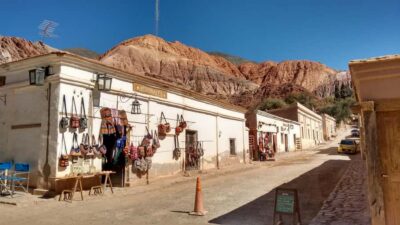
From Salta: Full-Day Trip to Salinas Grandes and Purmamarca
Read our review →
From Salta: Full-Day Tour to Cafayate with Wine Tasting
Read our review →
From Salta: Salinas Grandes, Purmamarca & Los Colorados Hike
Read our review →
From Salta: Cafayate, land of wines and imposing ravines
Read our review →
Full-Day Tour Cafayate Calchaqui Valleys with Wine
Read our review →
From Salta: Serranías del Hornocal & Hill of 14 Colors Tour
Read our review →
From Salta: Cachi and Los Cardones National Park Tour
Read our review →
From Salta: Cafayate Day Trip with Wine Tasting
Read our review →Browse the lists this tour appears in