
Reviewed · SALTA TOURS
From Salta: Local Landscape, Winery, and Culture Tour
The great appeal here is variety. In four days, you move from tobacco farms and red-rock gorges to cactus country, colonial villages, Inca ruins, and the blinding white Salinas Grandes. I especially like the Cafayate winery visit and the chance to taste Torrontés, Argentina’s own aromatic white wine. I also like that transport, hotel pickup, a bilingual guide, and winery entry are included.
The trade-off is time on the road. One outing includes about two hours on rough dirt roads and another two hours on the highway returning to Salta. If your back dislikes long van rides, or you prefer slow independent days, this may feel tiring.
Key points to know before booking
- Four major outings from Salta: Visit Cafayate, Cachi, Purmamarca, Tilcara, and the Salinas Grandes across four days.
- Torrontés tasting included: Learn about the local wine industry and sample several Argentine wines in a winery.
- Some of Argentina’s strongest scenery: See La Quebrada de las Conchas, Cuesta del Obispo, Cardones National Park, and the Hill of 7 Colors.
- Culture is part of the route: Explore churches, craft stalls, local museums, Indigenous sites, and Pucará de Tilcara.
- Long drives are unavoidable: Rough roads and extended return journeys make comfortable clothes and realistic expectations important.
- Good value at $130: The price includes four days of transport, downtown hotel pickup and drop-off, a certified bilingual guide, and winery admission, but not lunch.
Four days that show Salta Province from every angle
This is not one single sightseeing trip. It is a package of four day outings from Salta, with the order subject to change according to the agency’s schedule. That matters because you should keep your plans flexible rather than expecting a fixed sequence.
You meet the guide at your downtown hotel, then settle into an air-conditioned minivan. Pickup may take place within 40 minutes after the selected starting time, so I would be ready early and avoid scheduling anything tight afterward.
The tour is available in English or Spanish. The guide is a certified bilingual professional, and the small-vehicle format should make the long drives more manageable than a large coach, though the exact group size is not provided.
More Wine Tours in Salta
- From Salta: Full-Day Tour to Cafayate with Wine Tasting
★ 4.5 · 478 reviews - From Salta: Cafayate, land of wines and imposing ravines
★ 4.4 · 347 reviews - Full-Day Tour Cafayate Calchaqui Valleys with Wine
★ 4.5 · 347 reviews
Day one: Cafayate, red-rock gorges, and Torrontés
The first outing heads south through the Lerma Valley. Farms and tobacco plantations replace the city, giving you a quick look at the working countryside around Salta. This is useful context: the trip is not only about famous viewpoints, but also about the land that supports local agriculture.
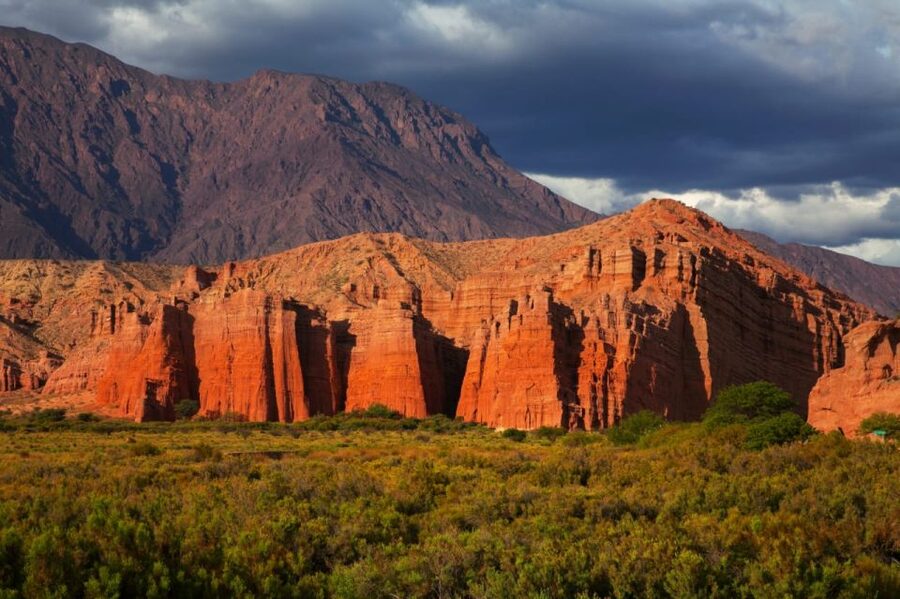
Near Alemania, the scenery changes sharply. Red mountains and unusual rock forms appear along La Quebrada de las Conchas. The route includes formations known as the Devil’s Throat and the Parrots’ House, names that give you an idea of the theatrical shapes you will see.
I like this section because the scenery arrives in stages. You leave green farmland behind and enter a dry, sculpted world of red stone. The contrast makes the route more memorable than a single viewpoint reached by van.
In Cafayate, you visit a winery and learn about the local wine industry. Winery entry is included, along with a tasting of several wines. The star is Torrontés, a fragrant white variety that originated in Argentina. If you usually associate Argentine wine with red Malbec, this tasting gives you a broader picture of the country’s wine culture.
Lunch is not included, so plan to pay separately. The supplied details do not name the winery or specify how many pours you receive, so anyone looking for a serious vineyard tour should keep expectations modest. This is a useful introduction attached to a scenic day, not necessarily a full wine holiday.
The return to Salta follows a different visual setting, which helps prevent the day from feeling like a simple out-and-back ride. Still, this is a full day in a vehicle, and you should bring water, sun protection, and something comfortable for the seat.
Day two: Cuesta del Obispo and Cachi’s colonial center
The Cachi outing takes Provincial Route 33 through the Escoipe River gorge and Los Laureles. The road then climbs the famous Cuesta del Obispo, a winding route with broad views and dramatic rock formations.
This is one of the days where the vehicle is part of the experience. The road itself is the attraction, but it can also be tiring. The tour information warns of roughly two hours on low-quality dirt roads, plus about two hours on the highway on the way back. People with back problems should take that warning seriously.
The route continues through Cardones National Park. The name comes from the area’s many cardón grande cactus plants. These tall, spiny forms give the dry Andean scenery its character, and the park provides a strong change from the red cliffs around Cafayate.
In Cachi, you have free time for lunch and independent exploring. Lunch costs extra, and the open time lets you choose between eating, shopping, or walking the old streets. You can visit the church on the central plaza, browse a local-history museum, or look for a small souvenir.
Cachi is best approached at an easy pace. Its colonial architecture and central square reward a walk without a strict checklist. The free time is also a welcome break after the winding mountain road.
The limitation is that the stop length is not specified. You should not assume there will be time for every museum, shop, and meal. Pick one or two priorities before arriving, then enjoy the town without racing.
Day three: Purmamarca, Tilcara, and Andean culture
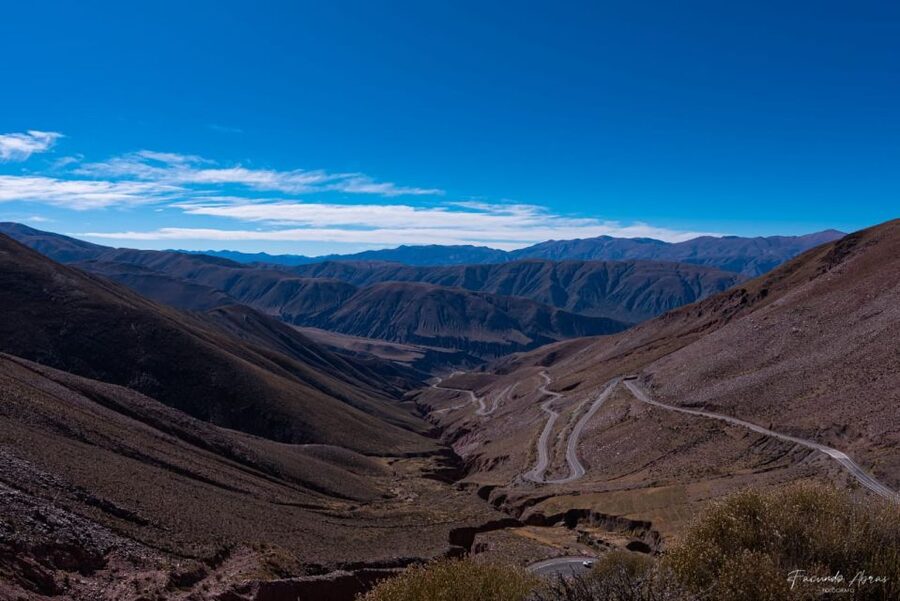
The third outing focuses on villages and cultural sites in the Quebrada de Humahuaca area. Purmamarca is the first major stop, with the Hill of 7 Colors rising behind the town. The colors come from bands in the rock, and the compact setting makes this one of the easiest places to connect a town visit with a famous natural sight.
The main square has craft stalls where local makers sell their work. You can also visit the town church, which is important to local history. Lunch is on your own, and Purmamarca has traditional restaurants where you can take a break before continuing.
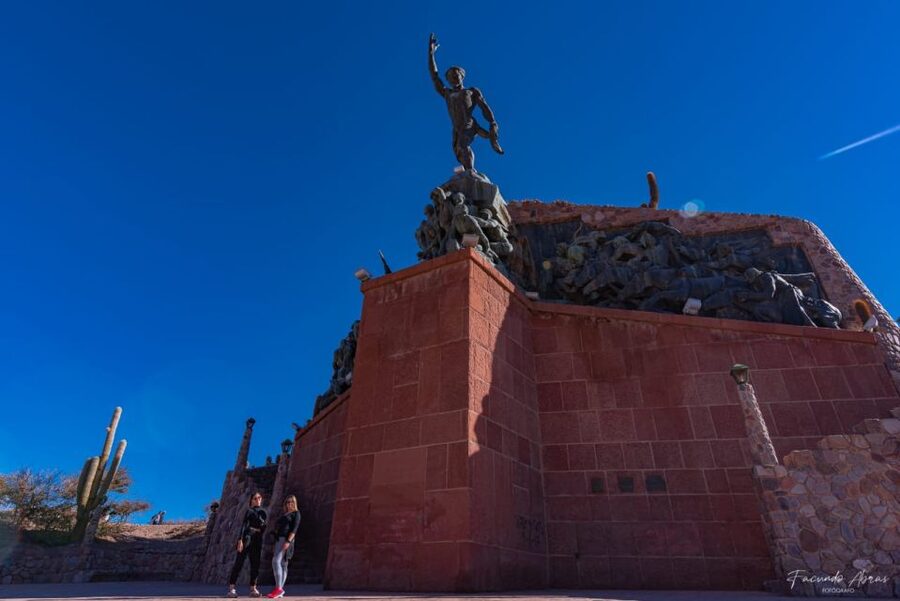
From the road, you see Paleta del Pintor Hill and the Monumento de la Independencia. The route also includes a chapel built 700 years ago, with a gold-covered altar and paintings from the Cusco School. Those details give the day more depth than a sequence of photo stops. You are seeing how Indigenous, colonial, and religious traditions overlap in northern Argentina.
A small monument marking the Tropic of Capricorn adds another quick stop. It is not a full attraction by itself, but it helps you place the region geographically as you move through the Andes.
The journey continues to Tilcara. You walk toward the main square and church, then visit the ruins of Pucará de Tilcara. At the site museum, you learn about the people who first lived there. The ruins are especially worthwhile for anyone interested in the area before modern Argentina, since the visit connects the stone remains with the communities that used the site.
I like the balance of this day. Purmamarca offers crafts and a famous hill, while Tilcara adds a museum and archaeological site. You get both the easy pleasure of wandering a village and a clearer look at the region’s Indigenous past.
The pace may feel busy. There are several towns, hills, religious sites, and the ruins in one day. If you want long café stops or detailed museum visits, you may have to choose carefully.
more Salta wineries worth an afternoon
- From Salta: Cafayate Day Trip with Wine Tasting
★ 4.4 · 226 reviews - Full-day Cafayate, Lerma Valley, and Wine Tasting from Salta
★ 4.5 · 116 reviews - From Salta: Full-Day Tour to Cafayate, Land of Wines
★ 4.5 · 74 reviews - Mendoza: Half-Day Wine Tour with Tastings
★ 4.3 · 727 reviews
Day four: Quebrada de Humahuaca and the Salinas Grandes
The final outing heads toward Jujuy, passing Volcán and Tumbaya before entering the Quebrada de Humahuaca. This UNESCO World Heritage Site once served as a major trade route thousands of years ago. That older role explains why the valley is filled with routes, settlements, monuments, and cultural sites rather than being only a scenic corridor.
You return to Purmamarca, which means you may have a second chance to explore the main square, shop at craft stands, or eat at a traditional restaurant. If you already saw the town the day before, use this time for a slower look rather than repeating the same quick photo stop.
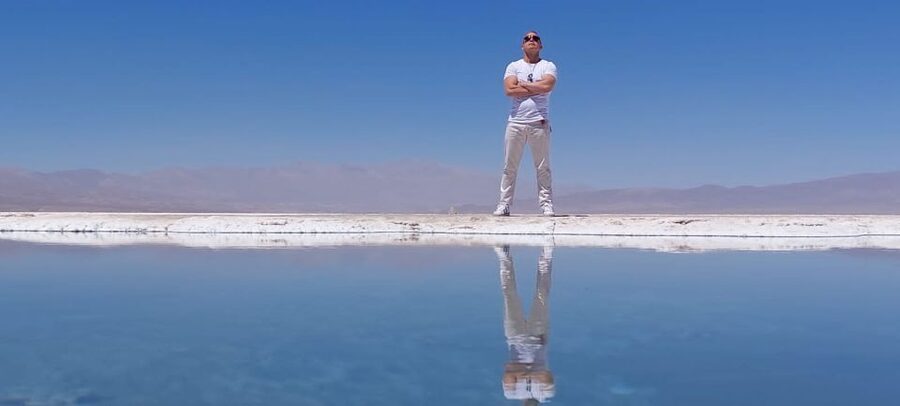
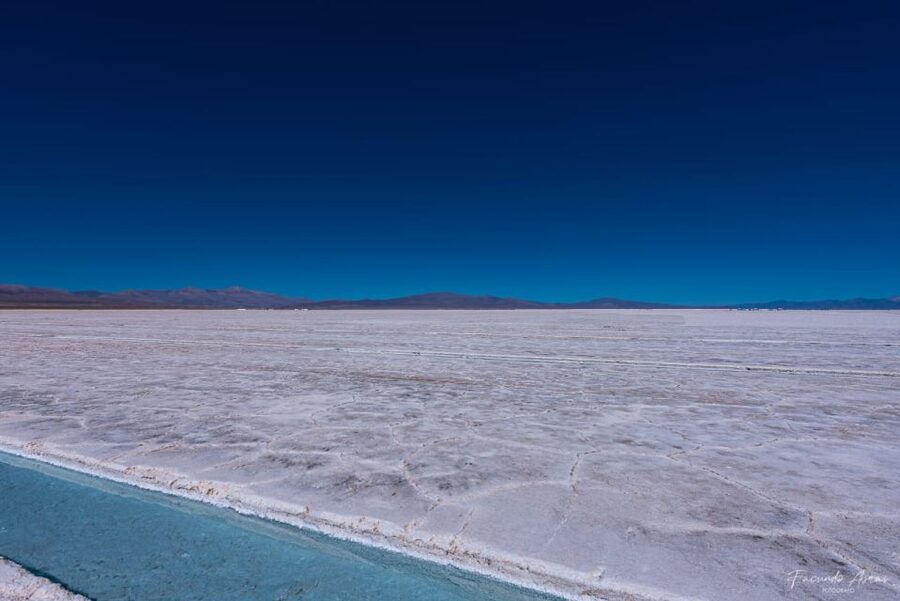
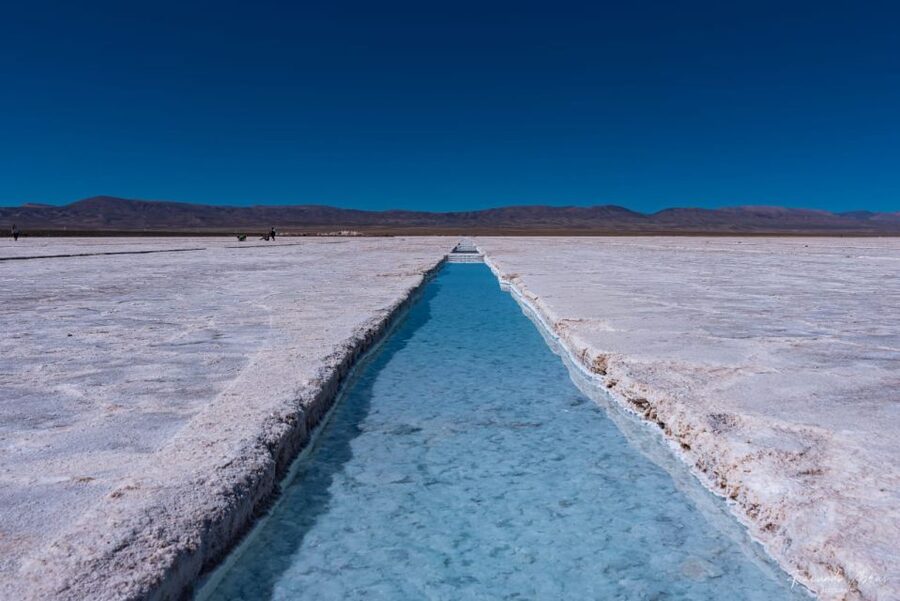
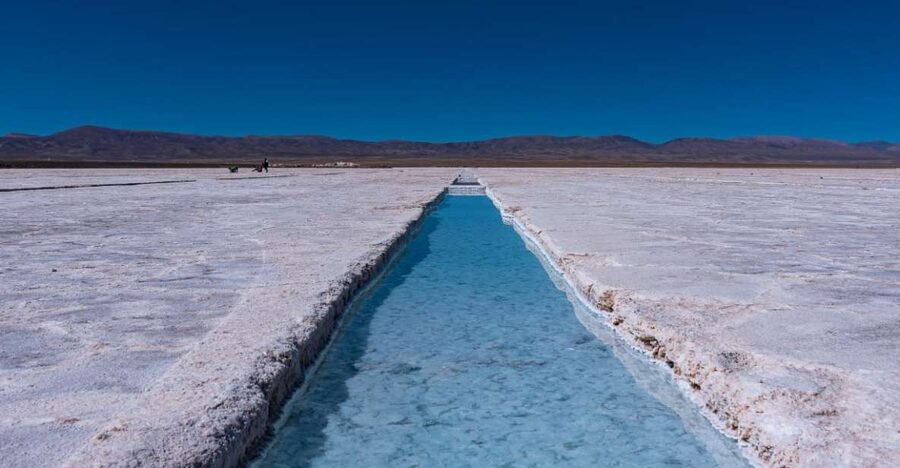
The main event is the climb along the Cuesta del Lipan toward the Salinas Grandes. These salt flats are considered one of the 7 Wonders of the Argentine Republic. The bright, open surface is unlike anything around Cafayate or Cachi, making this the tour’s most dramatic change in scenery.
You have free time at the salt flats to look across the white plains and see the famous pools. The description does not specify how much time you get or whether a local salt-flat guide is present, so keep the stop focused on viewing and photography rather than expecting a detailed technical visit.
Lunch is again separate, with time to eat back in Purmamarca before returning to Salta. Since this is another long day, carry snacks if you prefer not to rely only on the meal stop. The tour provides transport and guiding, but food remains your responsibility on all four outings.
What the $130 price really covers
At $130 per person, the package offers strong value if you want to see several distant sites without arranging separate transport. Four days of air-conditioned minivan travel, downtown hotel pickup and drop-off, a certified bilingual guide, and winery entry are included.
The value comes from the distances involved. Cafayate, Cachi, Purmamarca, Tilcara, and Salinas Grandes are not convenient additions to a short city itinerary. Having one booking cover the transport and guide reduces the work of comparing separate day trips.
You should budget extra for four lunches, drinks, and souvenirs. The winery tasting is included, but meals are not. The tour also does not state that accommodation, private rooms, or personal expenses are included, so think of it as a four-day sightseeing program based in Salta, not a complete multi-day travel package.
The five-star rating attached to the experience is encouraging, and the available written feedback specifically praises the guides as competent and kind. That matches the tour’s strongest practical feature: the guide helps make sense of a region where the scenery, language, routes, and cultural sites change quickly.
Still, a small number of ratings cannot tell you everything about consistency between departures. The exact guide names are not provided, so I would not book this expecting a particular person.
Who should book this four-day route?
I would recommend it to you if you want a broad introduction to Salta Province and the nearby Andean region. It suits people who prefer having transport arranged, enjoy scenic road trips, and want a mix of wine, villages, archaeology, churches, craft shopping, and major natural sights.
It is also a good fit if you have limited time in northern Argentina but want more than a city tour. In four days, you cover several places that would be hard to connect independently without a rental car or multiple transport bookings.
I would hesitate if you dislike long drives, rough roads, or fixed sightseeing days. The trip involves repeated early starts or long returns, although the exact times depend on availability. It is not suitable for people with back problems, and unaccompanied minors are not allowed.
Children under two can travel free if they do not need their own seat. Comfortable clothes are recommended, and you should bring your passport or identity card.
Practical ways to enjoy the trip
Keep your expectations focused on scenery and orientation, not deep time at every site. The itinerary covers a lot, so I would choose one priority in each village: the church, museum, crafts, lunch, or a simple walk.
Use the free time in Cachi and Purmamarca well. Cachi is a good place for colonial streets, a central-plaza visit, and local history. Purmamarca works best for the Hill of 7 Colors, craft stalls, and a traditional meal.
Bring a small day bag rather than a large suitcase. You will be getting in and out of a minivan, walking through towns, and spending time outdoors at exposed viewpoints and salt flats.
I would also bring snacks and water, even though lunch stops are part of the schedule. Meals cost extra, and a long day on winding roads is easier when you are not waiting for the next restaurant.
Finally, keep the order of the outings open. The agency may rearrange the days according to availability, so avoid booking another fixed activity that depends on a particular tour day.
Should you book this Salta tour?
Book it if you want maximum variety for $130 and are comfortable trading some independence for organized transport. The winery and Torrontés tasting add a local food-and-drink angle, while Cachi, Purmamarca, Tilcara, and the salt flats give you four very different views of northern Argentina.
Skip it if you want short drives, generous time at each museum, or a relaxed custom itinerary. The best reason to choose this experience is its range: in four days, you get red-rock scenery, cactus country, Andean villages, Indigenous archaeological sites, colonial churches, and the Salinas Grandes without arranging each journey yourself.
FAQ
How long does the experience last?
The experience lasts four days. Starting times depend on availability.
What languages are available?
The live guide service is available in English and Spanish.
Is hotel pickup included?
Yes. Pickup and drop-off are included for hotels in downtown Salta. Pickup can take place within 40 minutes after your selected starting time.
Are meals included?
No. Lunch is not included, so you need to pay for lunch during the outings.
Is the winery visit included?
Yes. Entry to a winery is included, along with a tasting of Argentine wines, including Torrontés.
What should I bring?
Bring your passport or identity card and comfortable clothes.
Is the tour suitable for people with back problems?
No. The experience is not suitable for people with back problems. It includes about two hours on low-quality dirt roads and about two hours on the highway during the return journey.
Recently added in Salta
- From Salta: Cafayate, Salinas Grandes, & Hornocal Tour★ 4.7 · 3 reviews
- From Salta: 3-Day Cafayate, Cachi, and Humahuaca Guided Trip★ 4.7 · 3 reviews
- Salta en un Bocado – Cultural Tour & Empanada Tasting★ 5.0 · 3 reviews
- From Salta: Cafayate, Cachi, & Hornocal 3-Day Tour★ 4.0 · 3 reviews
- Salta: Tour to the Salinas Grandes and Purmamarca★ 3.7 · 3 reviews
- From Salta: Cachi and Salinas Grandes 2-Day Guided Trip★ 4.1 · 3 reviews
- From Salta: Full-Day Tours of Cachi and Salinas Grandes★ 4.5 · 3 reviews
- From Jujuy: Yala and Termas de Reyes Half-Day Tour★ 3.8 · 3 reviews
Salta Tours, compared.
From Salta: Full-Day Trip to Salinas Grandes and Purmamarca
Read our review →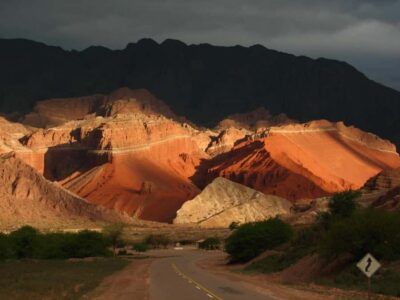
From Salta: Full-Day Tour to Cafayate with Wine Tasting
Read our review →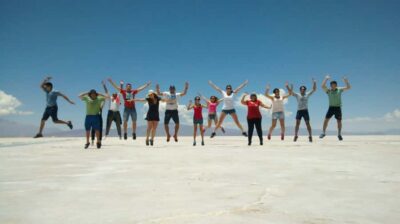
From Salta: Salinas Grandes, Purmamarca & Los Colorados Hike
Read our review →
From Salta: Cafayate, land of wines and imposing ravines
Read our review →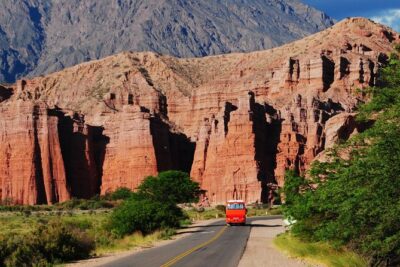
Full-Day Tour Cafayate Calchaqui Valleys with Wine
Read our review →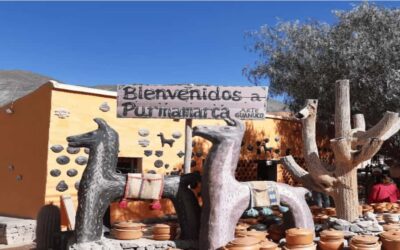
From Salta: Serranías del Hornocal & Hill of 14 Colors Tour
Read our review →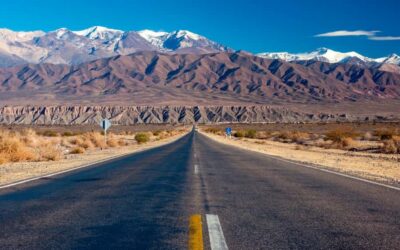
From Salta: Cachi and Los Cardones National Park Tour
Read our review →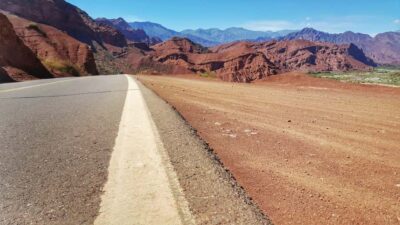
From Salta: Cafayate Day Trip with Wine Tasting
Read our review →Browse the lists this tour appears in