
Reviewed · PUERTO MADRYN TOURS
From Puerto Madryn: Peninsula Valdés Shore Excursion
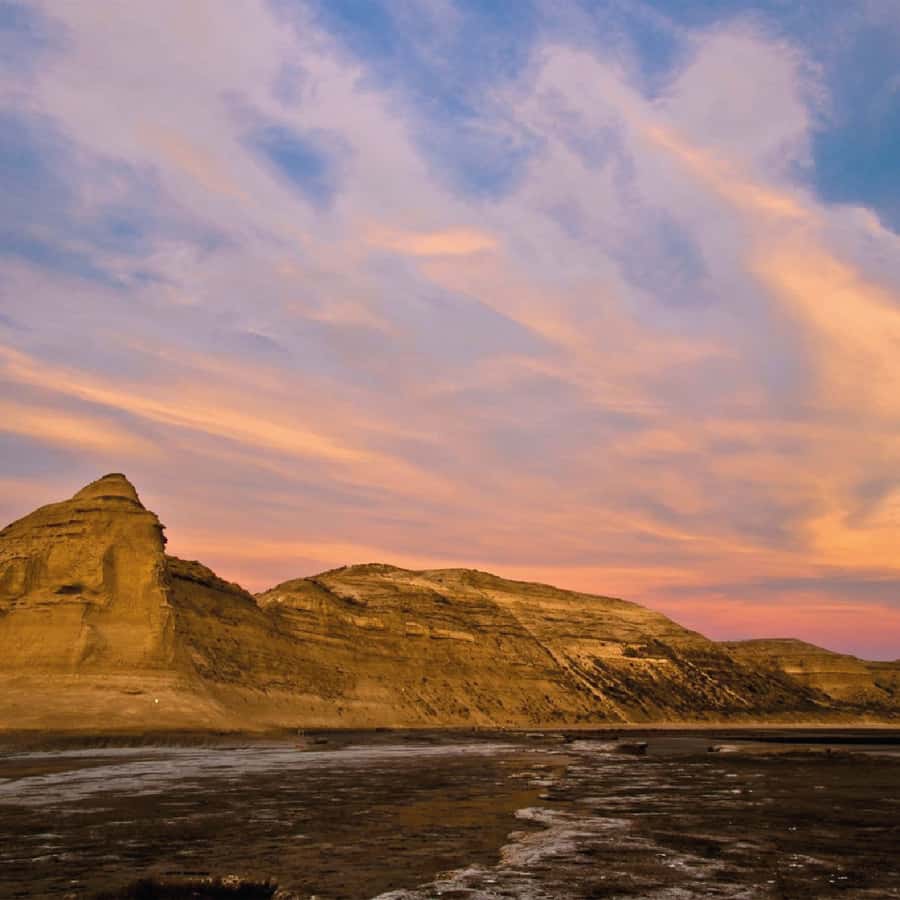
Elephant seals sprawled below a cliff, sea lions gathered on rocky ledges, guanacos crossing the roadside, and the faint chance of orcas make this one of Puerto Madryn’s most wildlife-focused shore trips. You spend much of the day on the open Peninsula Valdés, not in town, so the appeal is seeing animals in their own setting rather than checking off a short list of sights.
I like the broad mix of wildlife and the stop at the Carlos Ameghino Interpretation Center, which gives the day useful context about geology, plants, animals, and local history. I also like the wide views over Golfo Nuevo, Golfo San José, and Isla de los Pájaros. The main drawback is that nature sets the schedule: in early March, some seal and penguin sites can be nearly empty, and the long drive becomes less rewarding if the animals are away feeding.
Key points to know before you book
- The drive takes 90 minutes round trip: You have about five hours for the guided visit, with 45 minutes in the van each way.
- Wildlife sightings change with the calendar: Penguins, elephant seals, sea lions, and orcas are not guaranteed, and tides and weather can alter the route.
- The Carlos Ameghino center adds real context: You learn about the peninsula’s flora, fauna, geology, and major historical events before visiting the viewing areas.
- Guides can make a big difference: Mariano and David are named in particularly positive feedback, though the assigned guide may vary.
- The reserve fee is extra: Budget about $30 per person for admission, plus your own lunch and drinks.
- Returning to the ship requires attention: The excursion ends at Puerto Madryn port, but the schedule can feel tight, especially for anyone moving slowly.
Why Peninsula Valdés is worth the long ride
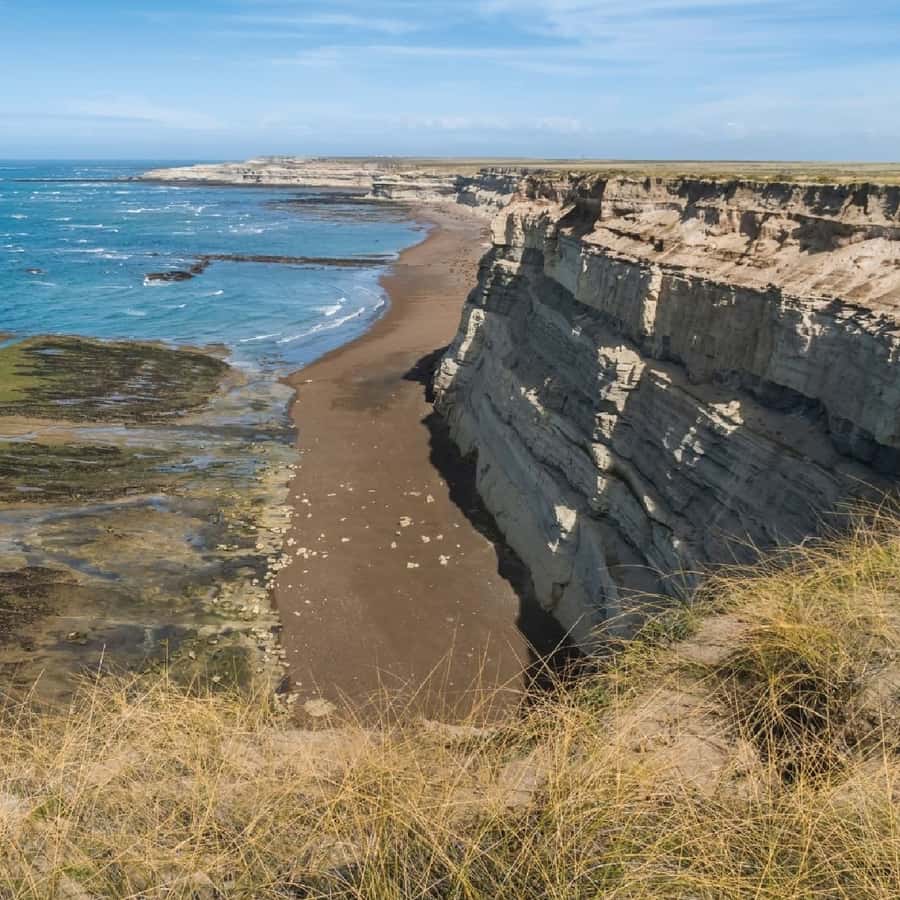
Peninsula Valdés is a large protected area where sea and steppe meet. That combination gives you a chance to see marine mammals from land while also watching for animals adapted to the dry interior.
I enjoy this kind of outing because the wildlife is not presented behind glass or a fence. You may see animals far below a cliff, along a distant beach, or beside the road. That means binoculars matter, and patience matters too. It also means the day cannot promise a neat parade of animals at every stop.
The trip costs $112 per person, before the reserve entrance fee of about $30. That puts the basic outlay near $142, not counting lunch. For a cruise passenger, the price can be fair because it includes port pickup, transport, a local guide, and roughly five hours inside the peninsula. You are paying for access to a far-flung region without arranging a vehicle yourself.
The value is weaker if you expect one fixed wildlife spectacle. You are not guaranteed whales, orcas, a large penguin colony, or a crowded seal beach. You are buying a full day of scenery, interpretation, and a chance at several kinds of wildlife.
More Shore Excursions in Puerto Madryn
- Cruise Shore Excursion Peninsula Valdes – Pto Madryn – Patagonia – Argentina
★ 4.0 · 111 reviews - Cruise Shore Excursion Punta Tombo with Boxlunch from Pto Madryn
★ 5.0 · 79 reviews - Shore Excursion Punta Tombo cruise passengers Puerto Madryn
★ 5.0 · 51 reviews
Meeting the Yellow Penguin team at Puerto Madryn port
Look for the Yellow Penguin sign at Administración Portuaria de Puerto Madryn. The pickup point is important for cruise passengers, since the excursion begins and ends at the port rather than at a downtown hotel.
Transport is by van, with a listed 45-minute ride to the peninsula and another 45 minutes back. That is manageable, but it is not a quick shore stop. You should be ready for a full day and keep your belongings organized so you are not wasting time at each stop.
The service is offered in English, Spanish, and Portuguese. Guides named Mariano and David have been singled out for clear explanations about the area and its wildlife. I would still treat guide quality as variable, since the assigned person can change. One less positive experience involved difficulty understanding the guide and trouble getting clear answers, so good communication should not be assumed solely from the language listing.
The vans are comfortable enough for the long road section, but anyone with mobility concerns should speak up early. The tour is listed as wheelchair accessible, yet one outing ran close to the ship’s departure time while a participant with mobility issues needed extra consideration. That does not make the tour unsuitable, but it does make timing and communication important.
Carlos Ameghino: the useful first stop
The Carlos Ameghino Interpretation Center is more than a bathroom break. It introduces the peninsula’s natural systems and its past, helping you make sense of what you see later.
You can learn about local plants and animals, the peninsula’s geology, and important historical events. That background matters because the area can look stark at first glance. Once you understand how the coast, salt flats, sea life, and steppe fit together, the scenery becomes easier to read.
From the panoramic viewpoint, you can look across Golfo Nuevo, Golfo San José, and toward Isla de los Pájaros. These are the sort of views that reward a clear day, and they give you a quick sense of the peninsula’s scale.
One practical warning: conditions at visitor facilities can vary. A March outing found the visitor center closed, which made the stop less useful. Since opening conditions may depend on the day and season, you should not count on the center being the sole reason to book.
The route changes with season, tides, and weather
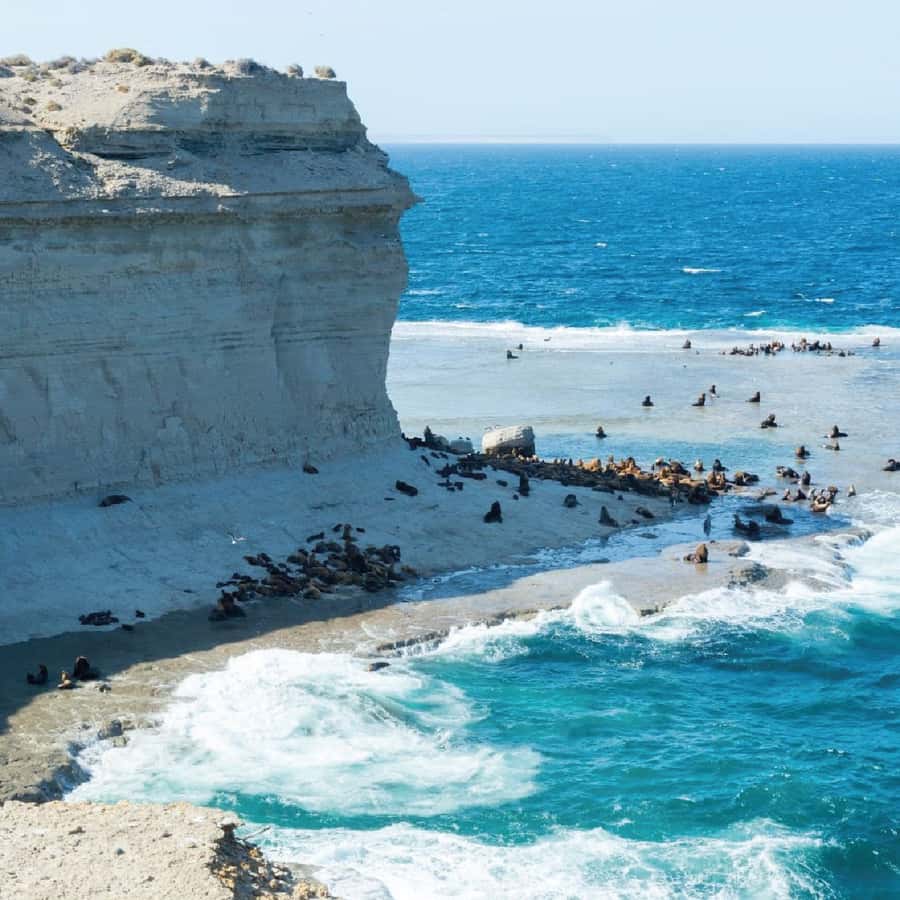
The advertised points include Caleta Valdés, Punta Cantor, and Punta Norte. The exact route depends on the season, weather, tides, and local conditions. That flexibility is sensible for a wildlife outing, but it can be frustrating if you have a particular beach or colony in mind.
If Punta Norte is not practical, the route can shift to Punta Delgada at the southeastern end of the peninsula. There you may see a historic lighthouse and an elephant seal colony. This alternate stop gives the tour a useful backup, though it does not guarantee the same animals or viewing conditions.
The tour description also allows for a nearby penguin colony or the sea lion reserve at Punta Norte if time permits. In real terms, you should see this as a possible addition, not a fixed promise. A site may be skipped because of distance, tide, weather, or the need to return to the port.
That is one reason I recommend asking the guide early which stops are realistic for the date of your visit. You can then set expectations before the van gets deep into the peninsula.
more shore excursions from Puerto Madryn
- Cruise Shore Excursion Ea San Lorenzo Peninsula Valdes – Patagonia – Argentina
★ 4.5 · 43 reviews - Punta Tombo Shore Excursion w/box Lunch(Shared tour for cruises)
★ 4.5 · 40 reviews - Puerto Madryn: Punta Tombo Shore Excursion for Cruise Guests
★ 4.6 · 25 reviews - Puerto Madryn: Punta Loma Shore Excursion
★ 4.3 · 22 reviews
Marine animals: excellent possibilities, no guarantees
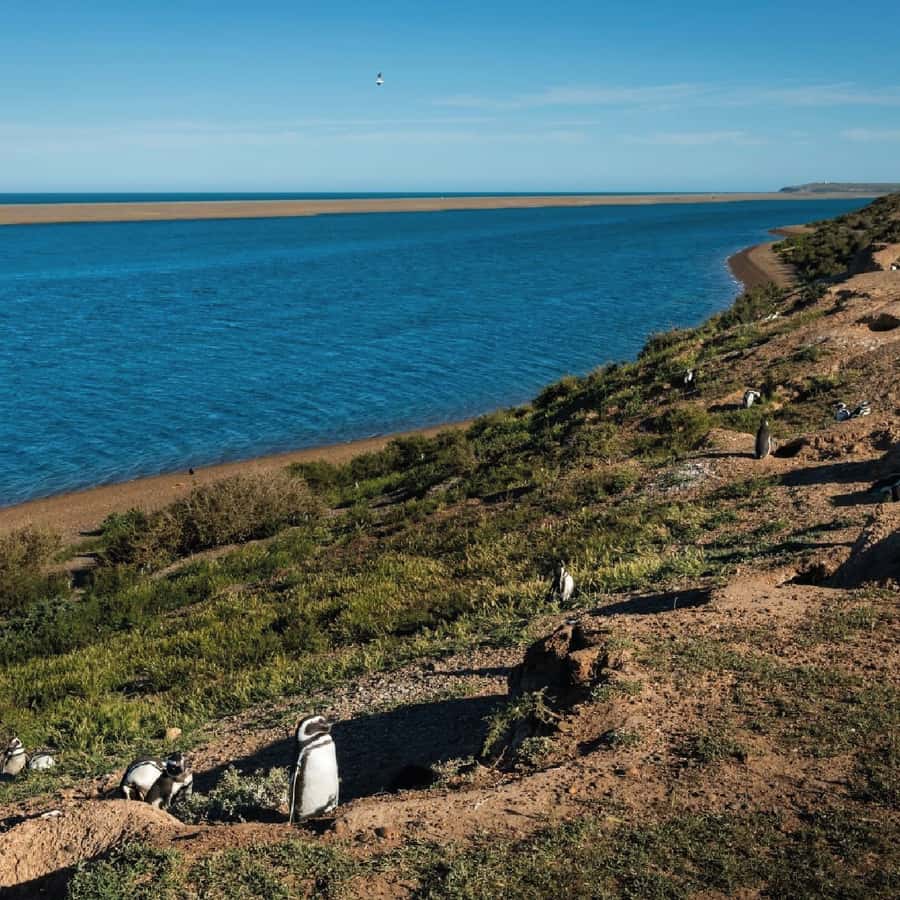
The main draw is the marine life. Depending on timing, you may see elephant seals, Magellanic penguins, sea lions, and perhaps orcas.
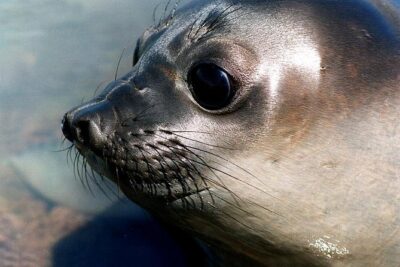
Elephant seals are impressive even when viewed from above. Their size and slow, heavy movement make them easy to recognize, but the number on shore can change sharply. In early March, one outing saw only about six females remaining. Many had already left or were out at sea.
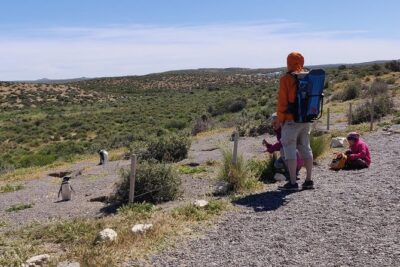
Penguins are just as seasonal. A March visit found only a few birds near the viewing point, while the larger colony farther north was not part of that route. The key lesson is simple: a site can be important at one time of year and quiet at another. If penguins are your top goal, ask specifically about the colony being visited on your date rather than relying on a general promise of penguin sightings.
Sea lions can provide a strong wildlife moment even when other colonies are quiet. They may be visible from a rocky cliff, resting on flat rocks below. Bring binoculars, but you may still get a satisfying view without them if the animals are close enough.
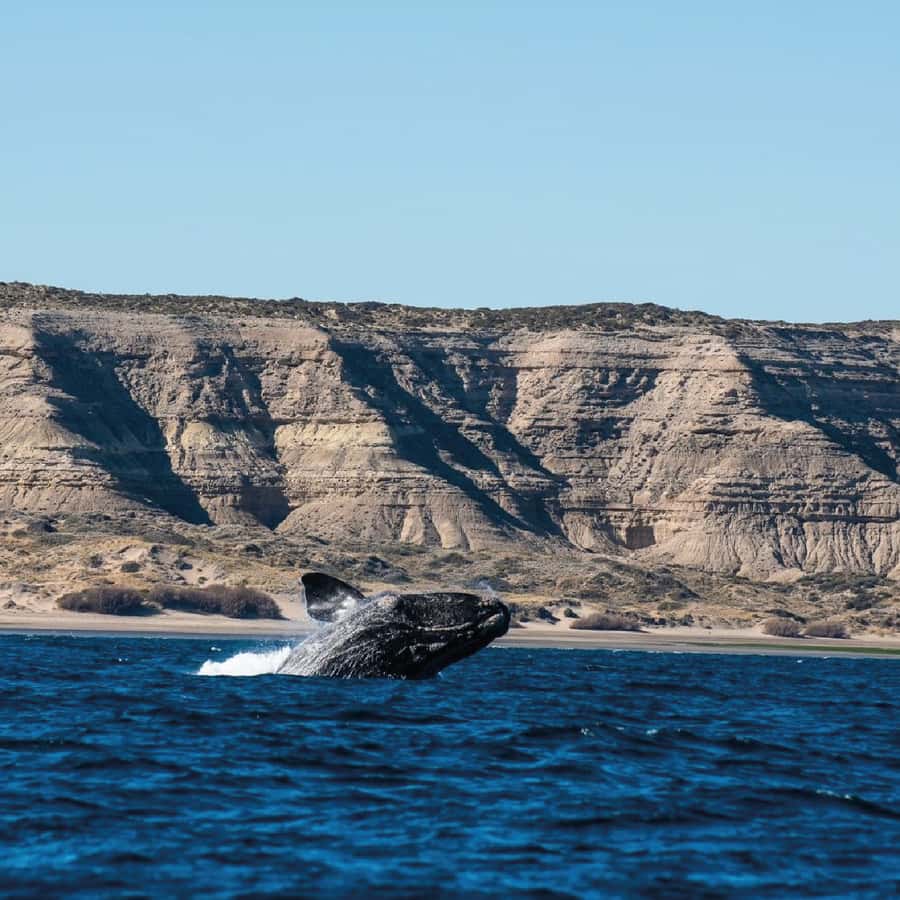
Orcas are the biggest maybe of the day. You may spot them in action in some seasons, but even a good season cannot guarantee a sighting. Orca watching depends on location, behavior, tide, and luck. Treat any orca encounter as a bonus, not the measure of whether the excursion succeeded.
Respect the viewing rules and follow the guide’s instructions. Staying quiet, keeping a safe distance, and avoiding attempts to approach animals are part of seeing wildlife responsibly.
The steppe brings guanacos, maras, and more
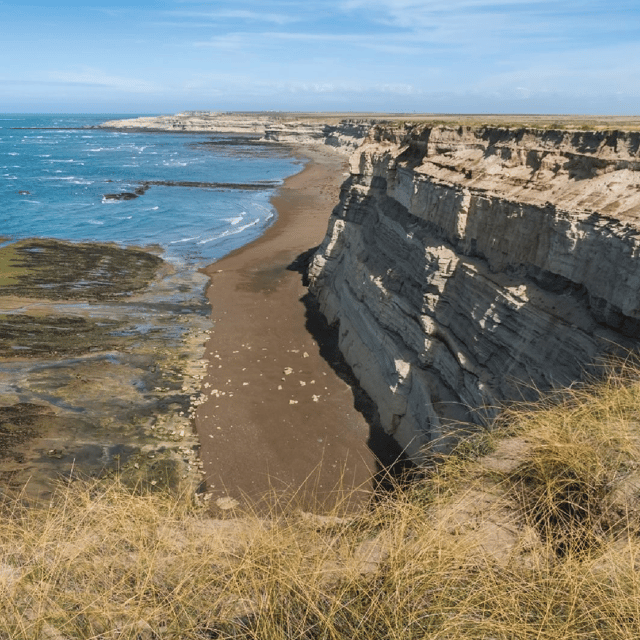
The peninsula is not only about the coast. Keep watching through the van windows for guanacos, maras, rheas, foxes, and armadillos. These animals can appear during the road sections, and the driver may slow down or stop when it is safe for photographs.
Guanacos are among the more likely roadside sightings, but no land animal is guaranteed. Maras, sometimes called Patagonian hares, are especially interesting because they look like an oversized rabbit but belong to a different group of animals. Rheas add another memorable sight if you are lucky.
You may also pass two major salt flats, described as the deepest depressions in South America. These broad, low areas add geological interest to a day that might otherwise seem focused only on animals.
I like this mix because it keeps the ride from becoming dead time between beaches. Even when a colony is quiet, the interior can still offer something to watch. You should, however, keep your camera ready without expecting the driver to stop for every animal.
Lunch is simple and comes out of your pocket
Lunch is not included. You may have the option to eat at a restaurant during the peninsula portion, but the timing and location depend on the route.
That restaurant stop can be welcome after a long morning, especially if you have not brought food. It can also feel like an hour lost if the wildlife viewing has been disappointing or if you hoped to reach another site. One particularly unhappy outing described the restaurant stop as a weak part of the day.
Bring water and consider carrying a packed meal if your cruise schedule allows it. The supplied information only confirms that lunch is at your own expense, so you should not assume a meal is included or that the restaurant will suit every diet.
Water is more important than it sounds. The peninsula is open, dry, and exposed, and you may spend time outside at viewpoints. Sunscreen, a hat, and weather-appropriate clothing belong in your day bag.
Timing matters when your ship is waiting
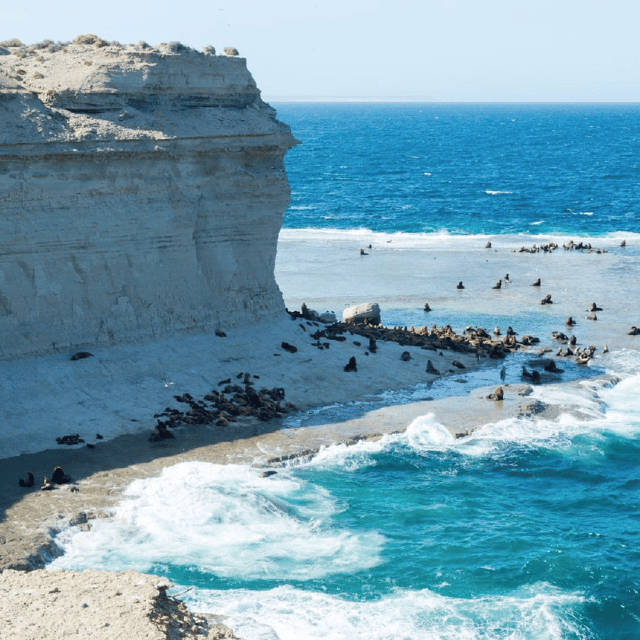
The listed duration is seven hours, made up of about 90 minutes of van travel and five hours of guided touring, with the remaining time used for loading, stops, and transitions.
That is a sensible length for a remote natural area, but the distance leaves little room for major delays. One positive outing still produced anxiety about getting back to the ship on time. For a cruise passenger, that is the most serious practical concern.
Ask the guide about the return plan at the start. Stay with the group, return promptly to the van, and avoid treating every stop as an open-ended photo session. If you use a wheelchair or walk slowly, tell the guide immediately so the group can plan realistically.
Free cancellation up to 24 hours before departure and reserve-now, pay-later terms make the booking less rigid. The tour is also listed as wheelchair accessible. Those policies help, but they do not remove the need to judge the seven-hour schedule against your ship’s all-aboard time.
Who should book this excursion
I would choose this tour if you want a broad introduction to Peninsula Valdés and prefer having transport and interpretation arranged from the port. It suits you if you enjoy open scenery, roadside wildlife, geology, and the possibility of marine mammals rather than requiring a guaranteed close encounter.
It is also a good fit if you speak English, Spanish, or Portuguese and want a guide who can explain what you are seeing. The strongest guide experiences came from Mariano and David, who provided detailed explanations and answered questions well. You may not have either guide, so I would consider that a welcome possibility rather than a promise.
You may want another plan if your only goal is to see a huge penguin colony, whales, or orcas. The route can change, the season matters, and early March may be a poor time for some colonies. A quiet animal site is not necessarily a bad tour, but it can make the $112 price, plus the reserve fee, feel high.
What to pack for the seven-hour day
Bring:
- Comfortable walking shoes
- A hat and sunscreen
- Water
- A camera
- Binoculars
- Money for the reserve entrance fee and lunch
- Weather-appropriate clothing
The open setting can make conditions feel harsher than they do in Puerto Madryn. I would dress in layers and keep sunscreen handy even if the morning begins cool.
A camera with a useful zoom is helpful, but binoculars may be more valuable for distant seals, sea lions, and birds. Do not forget to look away from the viewfinder too. The wide coastal outlooks and stark salt flats are part of the experience.
Should you book the Peninsula Valdés shore excursion?
Book it if you want a full, guided day in a major wildlife area and can accept changing conditions. The best parts are the range of possible animals, the views from Carlos Ameghino, and the chance to see the peninsula’s natural and geological features in one organized trip.
Skip it if your expectations depend on one exact colony or one guaranteed animal. Before paying, check the likely route and season, especially if you are visiting in March. Also confirm the reserve fee, lunch budget, and return timing against your ship’s schedule.
At 4.4 out of 5 overall, the experience can be excellent with a strong guide and active wildlife. It can also be a long, disappointing ride when colonies are empty and the route feels poorly matched to the season. I would book this for variety and access, not for certainty.
FAQ
Where does the excursion begin?
It begins at Administración Portuaria de Puerto Madryn. Look for the Yellow Penguin sign at the port.
How long does the tour last?
The full excursion lasts seven hours. The listed transport time is 45 minutes each way, with about five hours of guided touring on Peninsula Valdés.
What animals might I see?
Possible sightings include elephant seals, penguins, sea lions, orcas in some seasons, guanacos, maras, rheas, foxes, and armadillos. Sightings depend on season, weather, tides, and animal behavior.
Is the reserve entrance fee included?
No. The fee is approximately $30 per person and must be paid on the spot.
Is lunch included?
No. Meals are not included. You may have the option to eat at a restaurant, with lunch paid separately.
Which languages are available?
The tour offers live guiding in English, Spanish, and Portuguese.
What happens if Punta Norte cannot be visited?
The route may go to Punta Delgada instead. This area has a historic lighthouse and an elephant seal colony. The final route depends on conditions.
Recently added in Puerto Madryn
- Punta Loma Shore Excursion with City tour★ 5.0 · 3 reviews
- Shore Tours Peninsula Valdes Puerto Madryn Cruise Passengers★ 4.2 · 4 reviews
- Península Valdés with Estancia San Lorenzo (Full Day)★ 4.7 · 4 reviews
- Peninsula Valdes Shore Tour for Cruise Passengers + City★ 5.0 · 4 reviews
- Punta Tombo Shore Excursion for Cruise Passengers + City★ 5.0 · 4 reviews
- Punta Loma + Ranch Shore Excursion for cruise passengers★ 5.0 · 4 reviews
- Puerto Madryn: El Doradillo Whale Watching Half-Day Tour★ 5.0 · 5 reviews
- Best Tour to Peninsula Valdes★ 4.0 · 5 reviews
Puerto Madryn Tours, compared.
Cruise Shore Excursion Peninsula Valdes – Pto Madryn – Patagonia – Argentina
Read our review →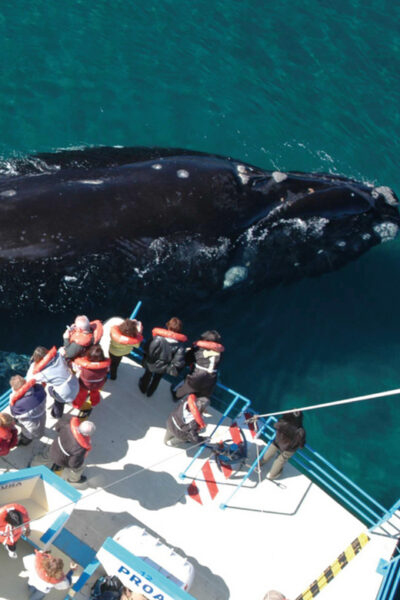
Cruise Shore Excursion Punta Tombo with Boxlunch from Pto Madryn
Read our review →
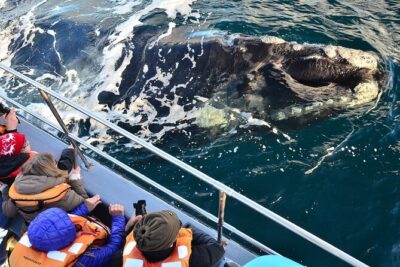
Peninsula Valdes Tour with Optional Whale Watching
Read our review →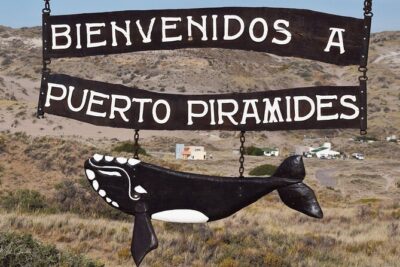
Full Day Peninsula Valdes Experience – optional Whale Watching
Read our review →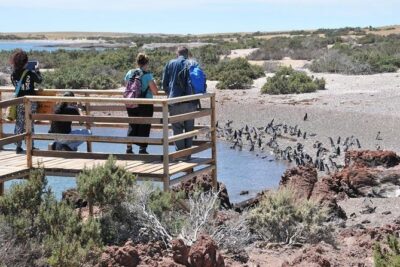
Shore Excursion Punta Tombo cruise passengers Puerto Madryn
Read our review →Browse the lists this tour appears in